President Trump's Federal Intervention in Washington D.C. Sparks Debate Amidst Low Crime Rates
President Trump significantly increased federal presence in Washington, D.C., deploying National Guard and federalizing police from August 7, citing public safety. This sparked controversy given low crime.

 FOX News
Trump's week shaped by crime agenda, potential guard deployment to Chicago
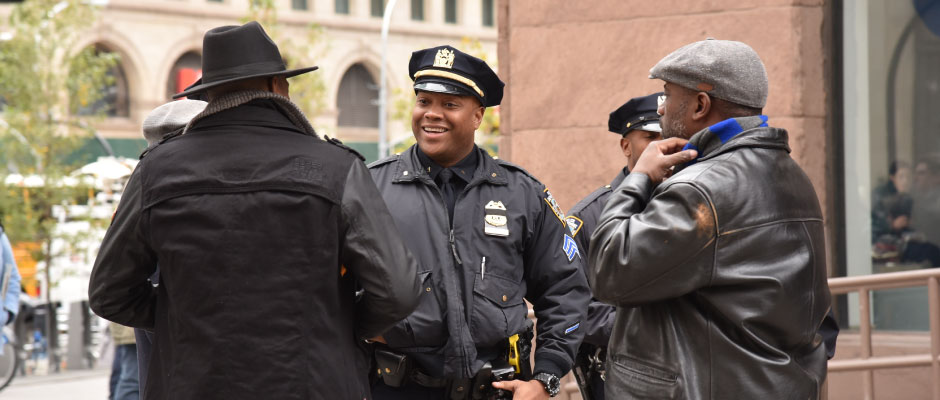
 New York Sun
Cities Threatened With National Guard Deployments See Bumps in Police Recruitment, Falling Crime Rates
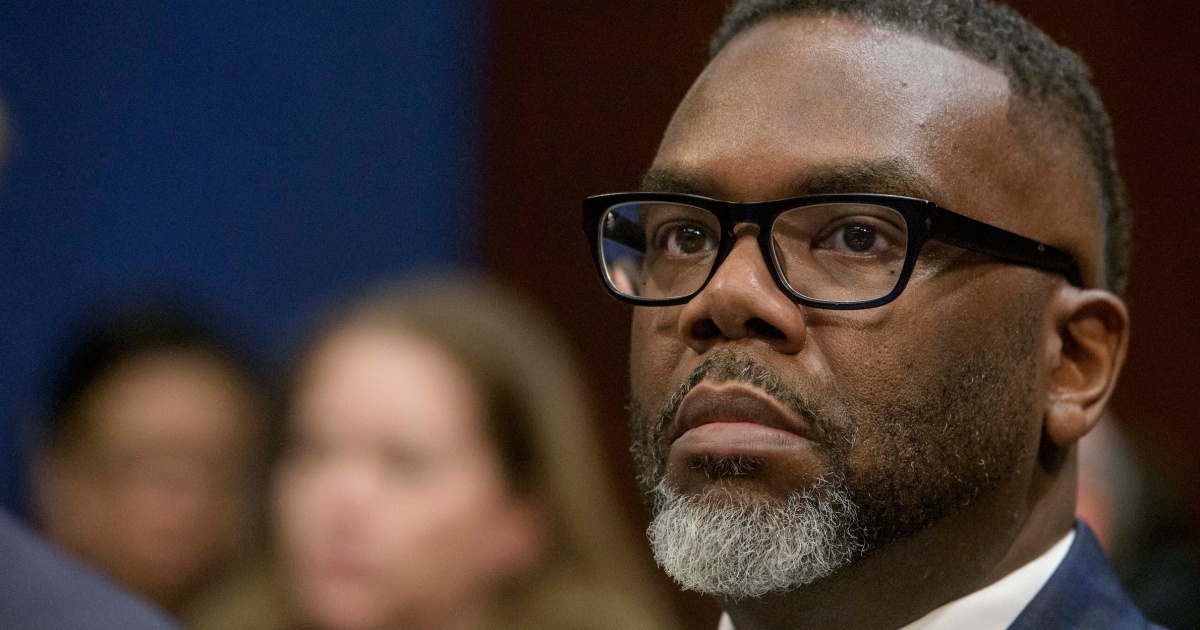
 NBC News
Mayor blasts Trump's threat to deploy National Guard to Chicago

 Chicago Sun-Times
Pentagon planning military deployment to Chicago in coming weeks, report says
Overview
President Trump significantly increased federal presence in Washington, D.C., deploying 1,750 National Guard and federalizing local police from August 7 under the Home Rule Act.
The White House reported 700 arrests since August 7, justifying the heightened federal intervention in the capital by citing public safety concerns.
On August 11, President Trump declared a public safety emergency in Washington, D.C., sparking controversy as city leaders reported a 30-year low in violent crime.
Democrats and city officials criticized President Trump's actions as politically motivated, questioning the necessity of federal intervention given local crime statistics.
The federalization of police and increased military presence ignited a significant debate regarding the appropriate balance between federal and local authority in public safety.
Analysis
Center-leaning sources frame the story by emphasizing Mayor Johnson's strong opposition to Trump's National Guard threat, portraying it as controversial and potentially unconstitutional overreach. They highlight local crime reductions and present multiple voices, including legal experts and other officials, who question the necessity and effectiveness of such a deployment, collectively undermining Trump's rationale.