Senators Block U.S. Attorney Nominee Using 'Blue Slip' Procedure
Senators Cory Booker and Andy Kim used 'blue slips' to block a U.S. attorney nominee. This procedural tool grants home-state senators veto power over federal legal appointments.

 Boston Herald
Trump and Republican senators fight over a century-old tradition for judicial nominees
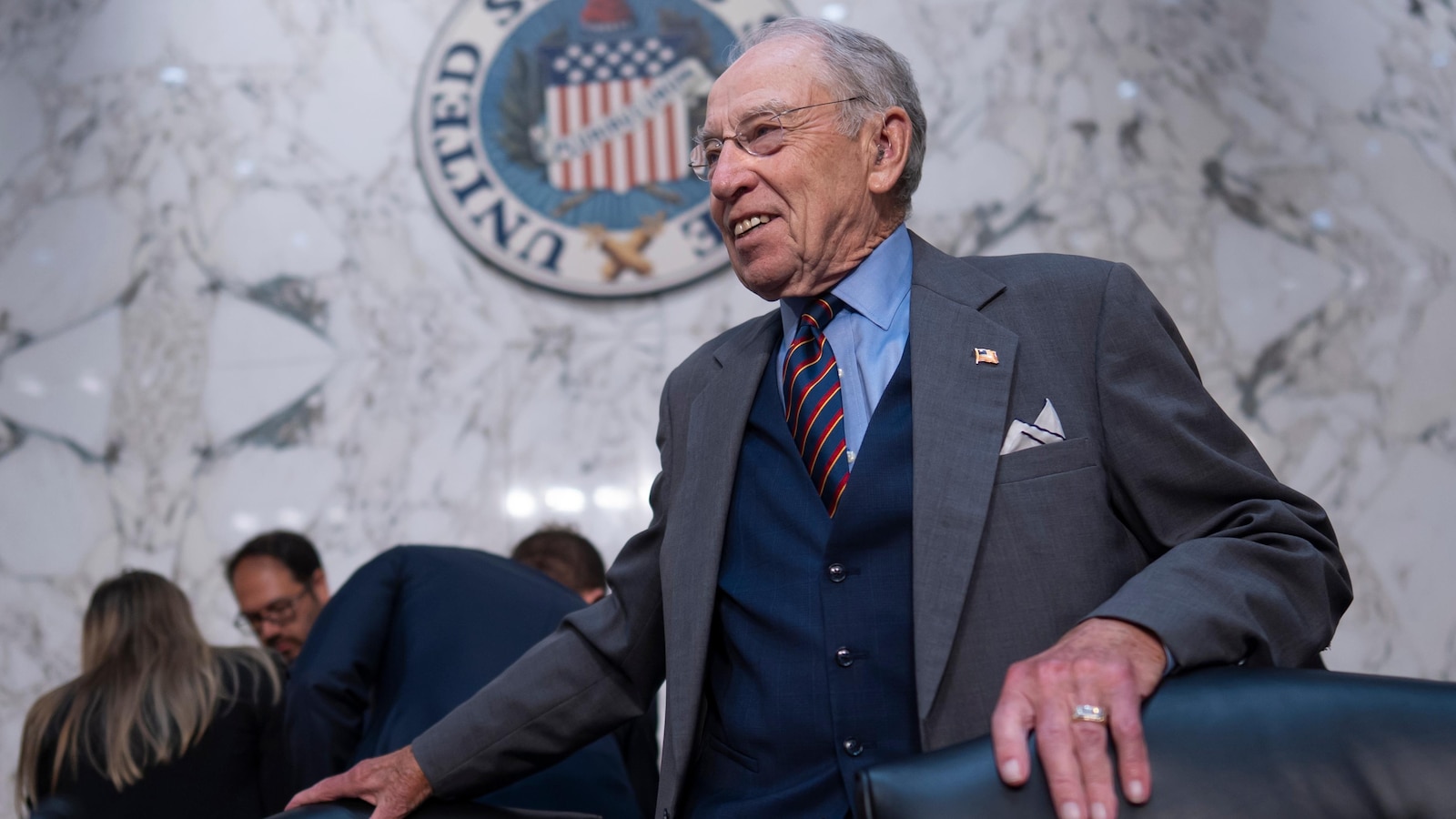
 ABC News
Trump and Republican senators fight over tradition for judicial nominees
 Associated Press
Trump and Republican senators fight over a century-old tradition for judicial nominees
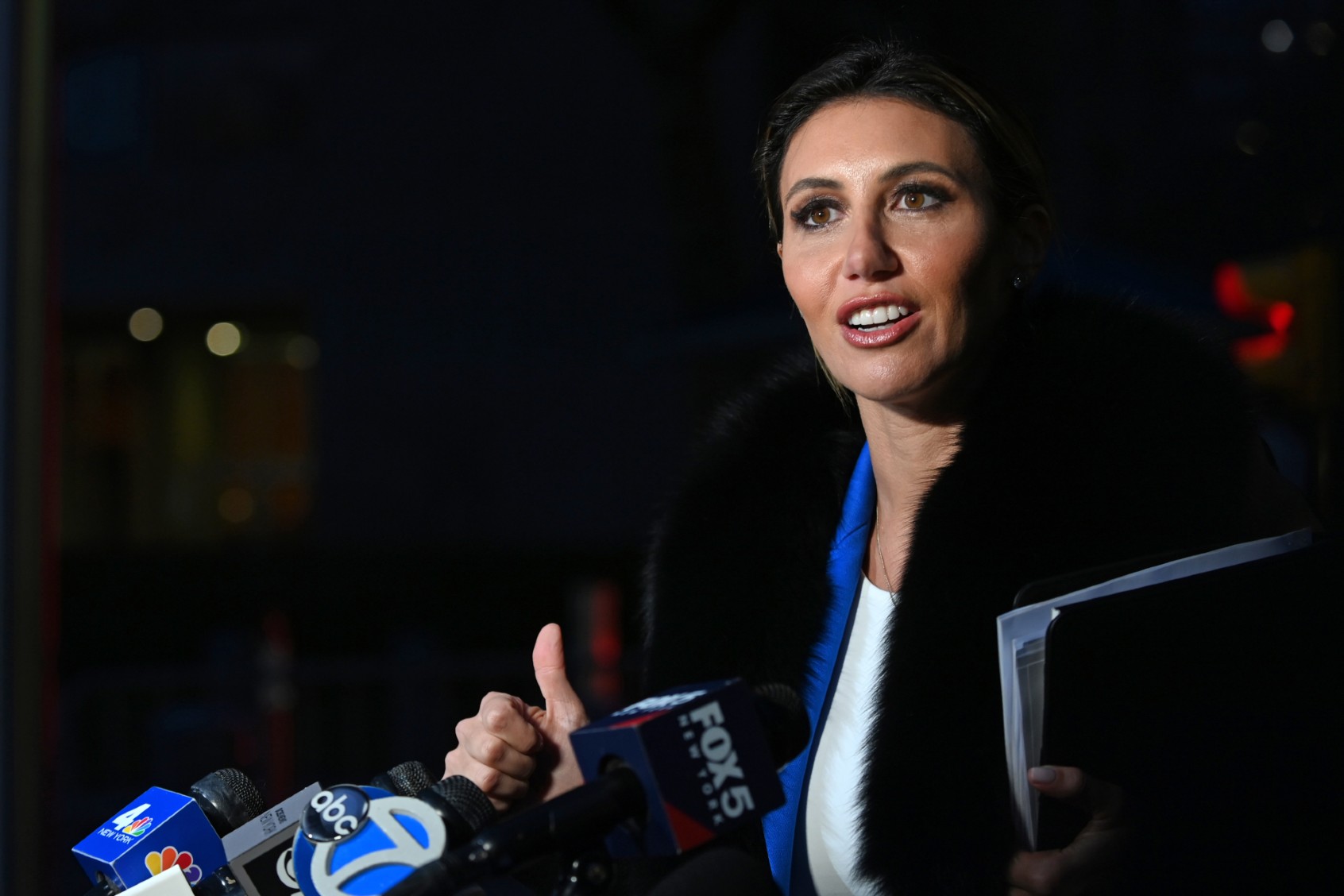
 Salon
SalonGOP senator fires back after Trump rages over Alina Habba snub
Overview
Senators Cory Booker and Andy Kim utilized 'blue slips,' a procedural tool, to obstruct a U.S. attorney nominee in the Senate, demonstrating significant home-state legislative power.
The 'blue slip' mechanism grants home-state senators authority to veto presidential nominations for U.S. attorney and District Court judge, ensuring local input on federal appointments.
President Trump initially appointed Habba as acting U.S. attorney for 210 days, later withdrawing her formal nomination after a 120-day interim period under federal law.
Following Habba's acting term expiration, District Court judges appointed Desiree Leigh Grace to an interim position, ensuring continuity in the U.S. attorney role.
The senators' use of blue slips highlights the significant influence home-state legislators wield in confirming key federal legal appointments, impacting judicial and prosecutorial roles.
Analysis
Center-leaning sources cover the story neutrally by presenting a balanced account of the disagreement between President Trump and Republican senators over the blue slip tradition. They explain the process, provide historical context, and include arguments from both sides without adopting a particular stance or using consistently loaded language, allowing readers to form their own conclusions.