Appeals Court Rules Trump's Broad Tariffs Illegal, Citing Overreach of Emergency Powers
A federal appeals court, in a 7-4 decision, ruled President Trump's broad tariffs under the International Emergency Economic Powers Act are illegal, exceeding his authority and not permitting import taxes.
 ABC News
What happens to Trump’s tariffs now that a federal appeals court has knocked them down?
 The Guardian
Trump news at a glance: court ruling threatens to upend Trump’s tariffs; Kamala’s security detail revoked

 Reason
Federal Circuit Rules Against Trump's Massive IEEPA Tariffs in Our Case Challenging Them
 MSNBC
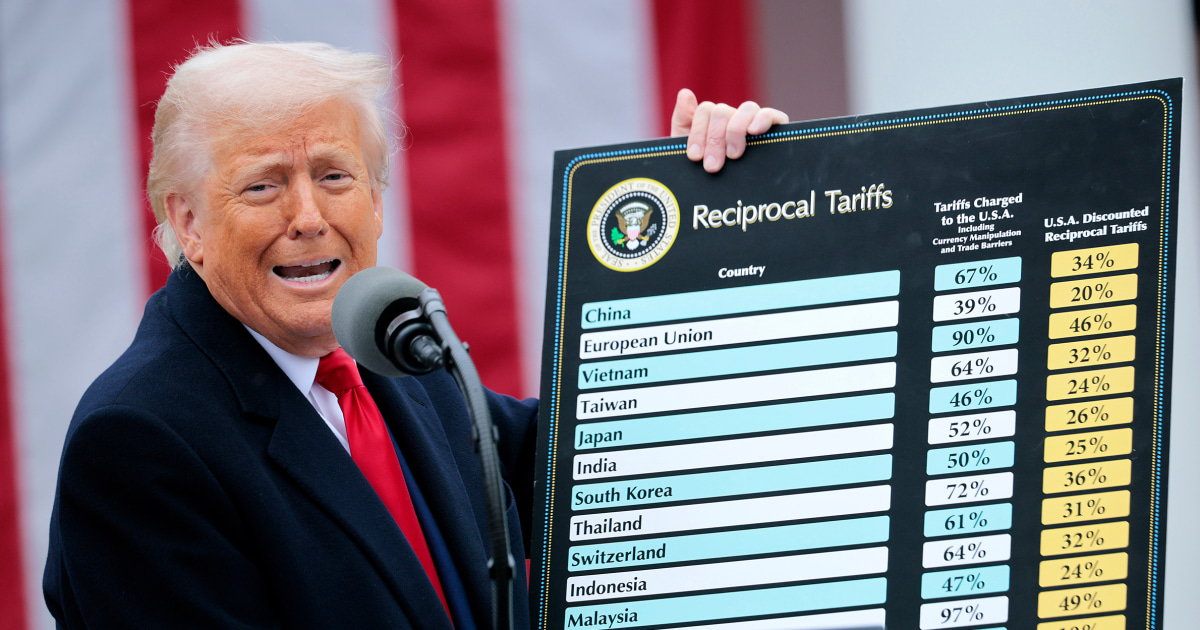
MSNBCAppeals court rules against Trump tariffs, but Supreme Court appeal may soon follow
Overview
A federal appeals court, in a 7-4 decision, ruled President Trump's broad tariffs, including those on fentanyl flow and "Liberation Day" tariffs on Canada, China, and Mexico, are illegal.
The court found that the International Emergency Economic Powers Act (IEEPA), which President Trump used to declare a national emergency, does not permit the imposition of import taxes.
Despite the ruling, the tariffs will remain in effect until mid-October, allowing the Trump administration time to appeal the decision to the Supreme Court.
President Trump had utilized IEEPA to pressure trade deals, fund tax cuts, and compel countries to curb illegal drug and immigrant flow across borders.
The ruling, stemming from lawsuits by small businesses and US states, complicates Trump's independent trade policy efforts and could necessitate billions in import tax refunds.
Analysis
Center-leaning sources frame the story by portraying the appeals court ruling as a significant legal and strategic defeat for Donald Trump. They emphasize his alleged overreach of presidential power in imposing tariffs and highlight the negative economic consequences of his "erratic" trade policies, such as market instability and rising prices. The collective narrative underscores the judiciary's role in curbing executive authority.