Deadly Protests Erupt Across Indonesia Over Government Perks and Driver's Death
Violent protests swept Indonesia, fueled by public anger over lavish government allowances and a driver's death. Clashes resulted in three fatalities, numerous injuries, and parliament building fires.
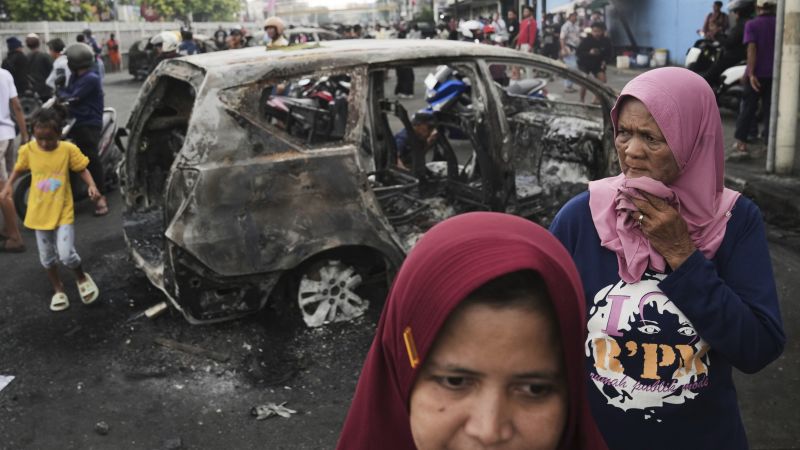
 CNN
CNNThree dead as Indonesian protesters set fire to regional parliament building

 NPR
NPR3 dead after mob sets fire to Indonesian regional parliament building

 Al Jazeera
Three killed in fire at Indonesian government building blamed on protesters
 Newsmax
3 Dead after Mob Sets Fire to Indonesian Regional Parliament Building
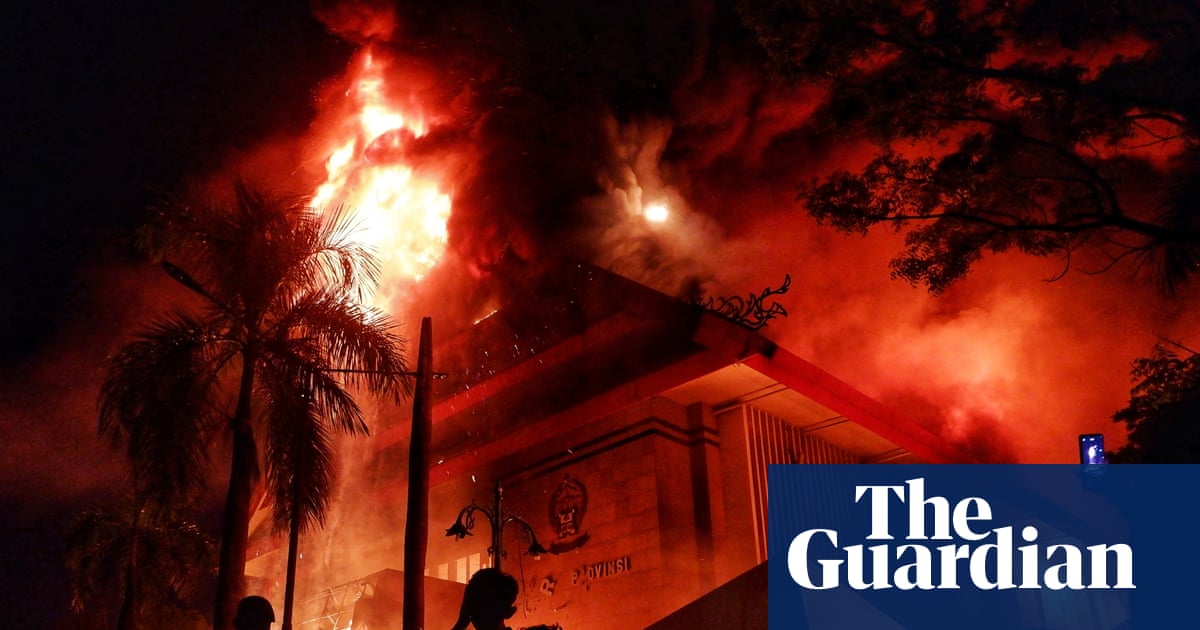
 The Guardian
Fire kills three people in Indonesia after protesters storm council buildings in the wake of driver’s death
Overview
Violent protests erupted across major Indonesian cities, including Jakarta and Bandung, with demonstrators setting parliament buildings ablaze and storming police headquarters amidst widespread public unrest.
The initial trigger for the nationwide demonstrations was public anger over lawmakers receiving a 50 million rupiah monthly housing allowance, nearly ten times Jakarta's minimum wage, seen as lavish perks.
Protests escalated significantly after the death of 21-year-old ride-hailing driver Affan Kurniawan, allegedly struck by a National Police armored car during a Jakarta rally, sparking national outrage.
Clashes between security forces and protesters involved tear gas, water cannons, fireworks, and clubs, leading to three confirmed fatalities, multiple injuries, and approximately 951 arrests in Jakarta alone.
The widespread violence and property damage, including the burning of a provincial council building, now challenge President Prabowo Subianto's leadership, prompting swift investigations and outreach efforts.
Analysis
Center-leaning sources frame this story by initially highlighting the destructive actions of an "angry mob," then shifting to explain the public's grievances, particularly the death of a protester due to alleged police brutality. They emphasize the "violent crackdown" by authorities and include strong condemnations from human rights organizations, creating a narrative that balances the chaos with a critique of the state's response.