Grand Juries Decline Indictments in Cases Linked to Trump Administration's Law Enforcement Actions
Multiple grand juries have declined to indict individuals arrested during protests or for alleged threats against President Trump, including Nathalie Rose Jones, amidst growing scrutiny of the administration's use of law enforcement.

 New York Daily News
Grand jury declines to indict woman accused of death threats against Trump

 Chicago Tribune
Another rebuke for prosecutors: Grand jury refuses to indict woman accused of threatening Trump

 PBS NewsHour
Grand jury refuses to indict woman accused of threatening Trump, in rebuke to prosecutors

 TIME Magazine
Grand Juries Reject Indictments Amid Trump's D.C. Crackdown
 MSNBC
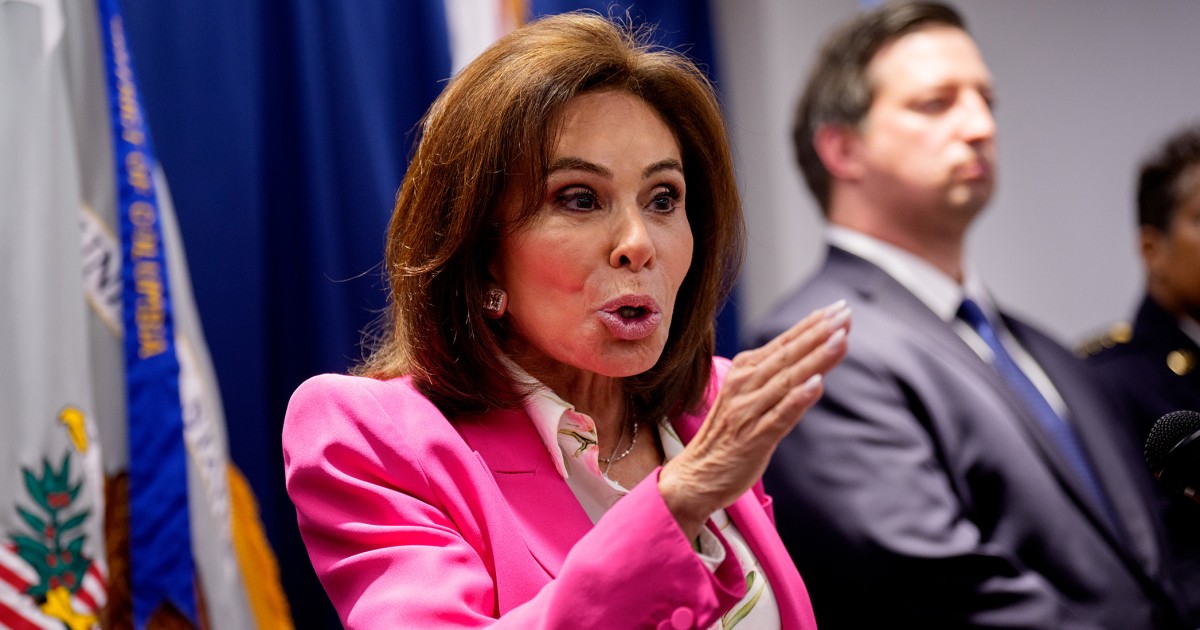
MSNBCD.C. grand jury refused to indict case of alleged threats against President Trump
Overview
A federal grand jury declined to indict Nathalie Rose Jones, arrested for alleged death threats against President Trump after a Washington D.C. protest, highlighting scrutiny of administration actions.
This decision is part of a trend where multiple grand juries have not indicted individuals arrested during protests or for actions related to the Trump administration's law enforcement.
Cases include a government attorney accused of assaulting a federal agent with a sandwich and a woman allegedly assaulting an FBI agent during ICE inmate transfers.
Another grand jury also declined to indict a man arrested for assault by U.S. Park Police and National Guard, further emphasizing the pattern of non-indictments.
These grand jury decisions occur as a judge ruled the Trump Administration illegally used military forces for law enforcement during Los Angeles protests, adding to the legal context.
Analysis
Center-leaning sources frame this story as a significant "rebuke" to prosecutors and a "backlash" against the Trump administration's law enforcement "crackdown." They emphasize the rarity of grand juries refusing indictments, linking these decisions to a broader pattern of resistance and speculation that jurors are using their votes to protest White House policies.