Japan's Prime Minister Shigeru Ishiba Resigns Amid Election Losses, Triggering Leadership Race
Japanese Prime Minister Shigeru Ishiba resigned as LDP leader after election defeats, triggering an October 4th leadership race. His successor faces Japan's political instability and national challenges.
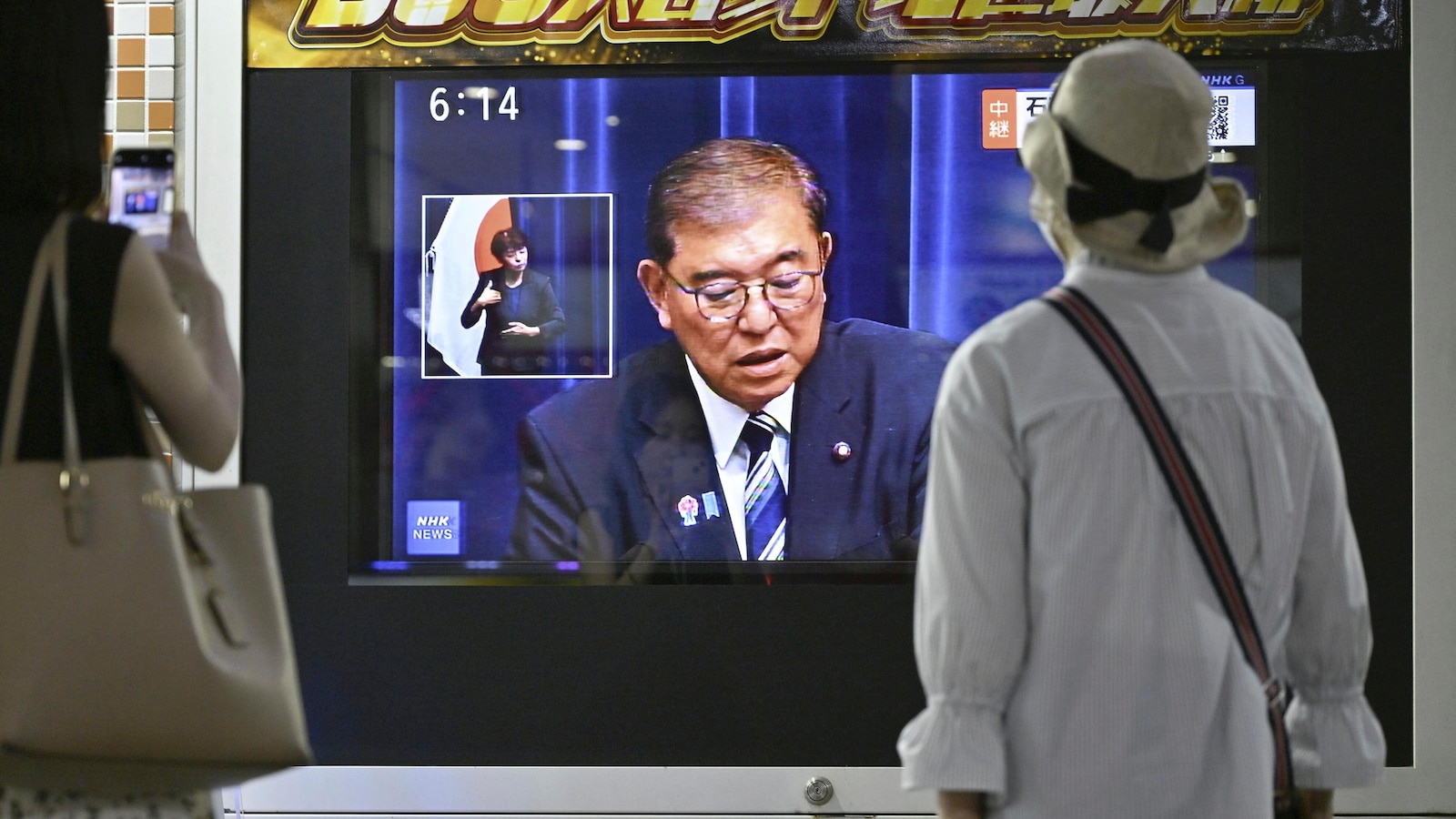
 ABC News
The leadership race for Japan's governing LDP party explained
 Associated Press
The leadership race for Japan's governing LDP party explained

 USA TODAY
Japan prime minister hopefuls prepare leadership bids, markets recoil
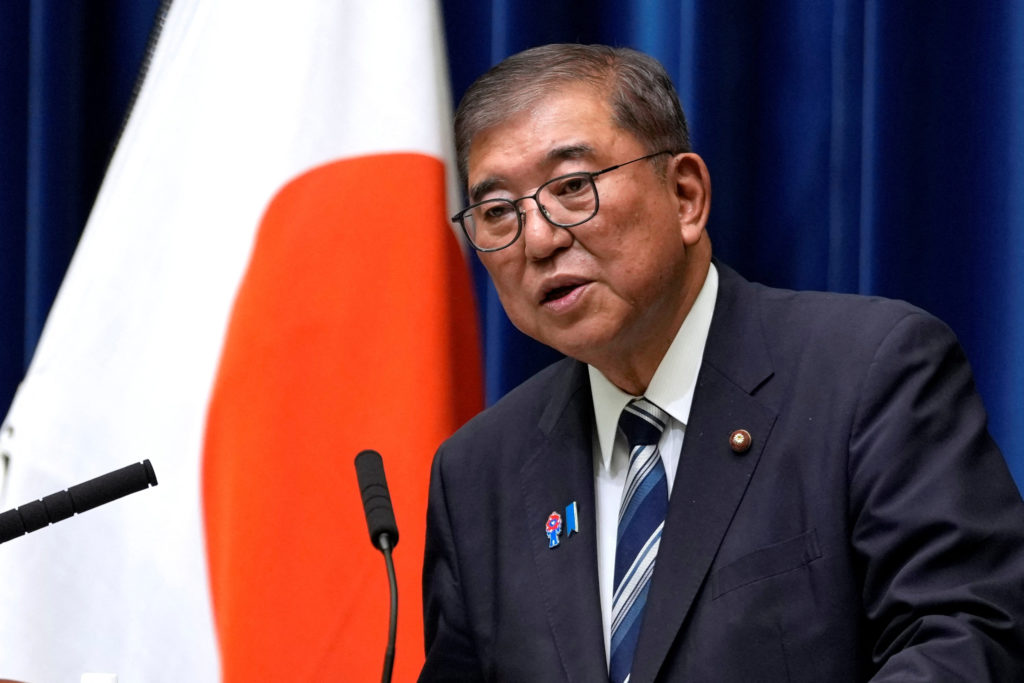
 PBS NewsHour
Japan's Prime Minister Ishiba resigns after his party suffered historic defeat in July election
Overview
Japanese Prime Minister Shigeru Ishiba resigned as LDP leader and Prime Minister after less than a year, taking responsibility for significant election losses and internal party pressure.
Ishiba's departure, following July's historic parliamentary election loss, halted an early leadership election, preventing a no-confidence vote and aiming to avoid a political vacuum.
A leadership race is scheduled for October 4th to select Ishiba's successor. Candidates must secure nominations from 20 LDP parliamentarians to enter the contest.
The new leader will inherit significant challenges, including regional tensions, U.S. demands, economic issues, demographic shifts, and the rise of populist groups.
Komeito leader Tetsuo Saito insists on a center-right leader for the coalition. Candidate Takaichi faces difficulties securing the necessary 20 nominations.
Analysis
Center-leaning sources cover the story neutrally, focusing on factual reporting of political developments and their implications. They provide comprehensive context for Prime Minister Ishiba's resignation and the upcoming leadership race, detailing potential candidates and their policy stances without employing loaded language or exhibiting overt bias in their editorial choices.