Norway's Parliamentary Election Hinges on Wealth Tax Amid Tight Race and Economic Debate
Norwegians vote in a tight parliamentary election, deciding the future of a longstanding wealth tax. The race between center-left and right-wing blocs impacts the nation's welfare.
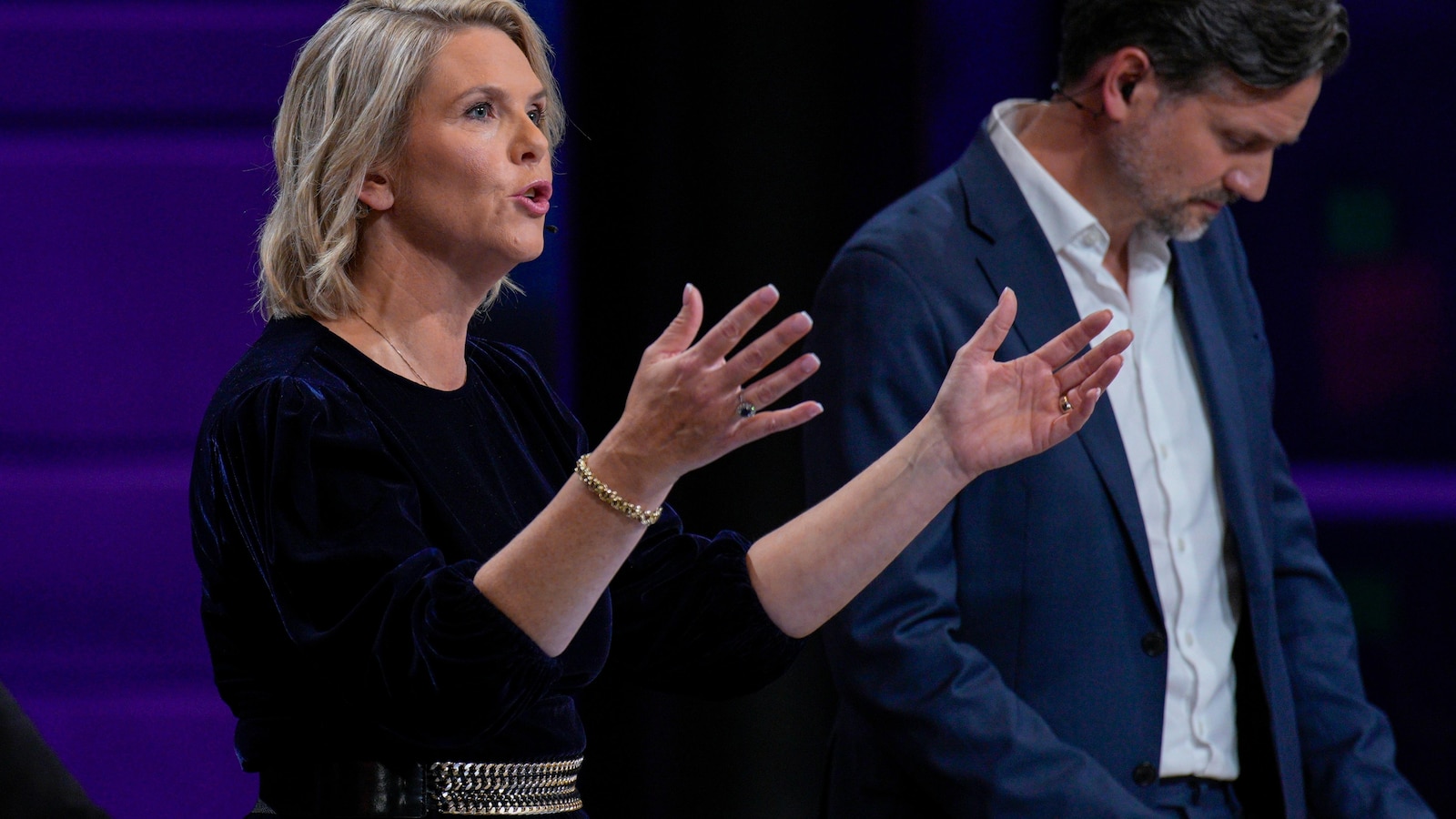
 ABC News
Norway votes in a closely fought election with the future of a wealth tax in focus
 Associated Press
Norway votes in a closely fought election with the future of a wealth tax in focus
 Newsmax
Norway Votes in a Closely Fought Election with the Future of a Wealth Tax in Focus
 ABC News
A longstanding tax on wealth is a central issue as prosperous Norway votes in a close election
Overview
Norwegians are voting in a parliamentary election to elect a new 169-member Storting, with approximately 4.3 million eligible voters participating in a closely contested race.
The election's central issue is Norway's century-old wealth tax, levying up to 1.1% on assets over 1.76 million kroner, a policy the Labor party strongly supports maintaining.
A tight race is anticipated between Prime Minister Jonas Gahr Støre's center-left bloc, supporting the wealth tax, and a right-wing bloc, with Listhaug’s party leading polls.
Norway, a wealthy nation with a $2 trillion sovereign wealth fund and vast oil reserves, debates the wealth tax's impact on its generous welfare state and economy.
Official election results are expected Tuesday, followed by weeks of coalition negotiations to form a new government, which King Harald will then swear in.
Analysis
Center-leaning sources cover the story neutrally, providing a balanced overview of the Norwegian election. They present the key political blocs and their differing stances on the central issue of the wealth tax without favoring one side. The reporting focuses on factual information, electoral context, and economic background, allowing readers to form their own conclusions.