Senate Republicans Plan "Nuclear Option" to Expedite Trump Nominee Confirmations Amid Democratic Obstruction
Senate Majority Leader John Thune and Republicans plan to use the "nuclear option" to change rules, allowing faster group confirmations for over 100 of President Trump's executive branch nominees, citing Democratic obstruction.

 PBS NewsHour
Senate will change rules to push Trump's nominees past Democratic delays, Thune says

 NBC News
Senate Republicans eye 'nuclear option' for rules change to speed up Trump nominees
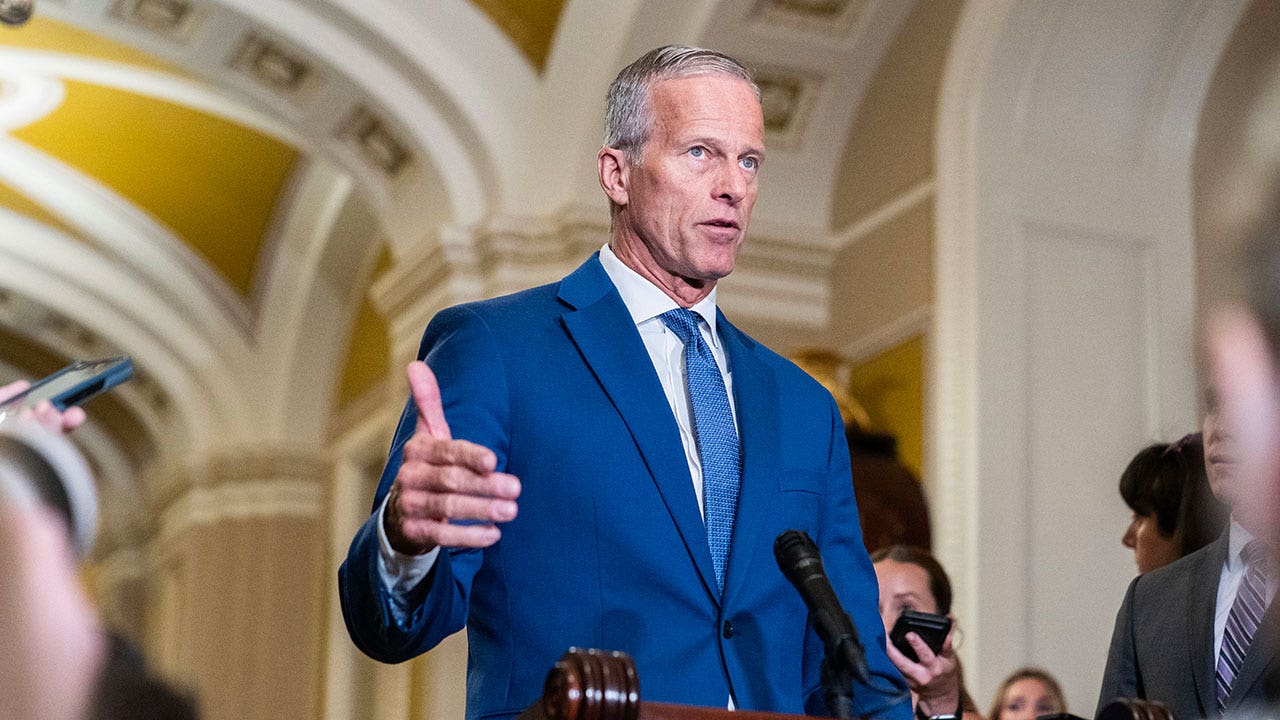
 FOX News
Thune lays groundwork for nuclear option in Senate fight over Trump nominees

 Epoch Times
Thune Plans to Change Senate Rules to Speed Up Trump’s Nominations
Overview
Senate Majority Leader John Thune and Republicans are moving to change Senate rules to accelerate the confirmation of over 100 of President Trump's executive branch nominees.
The proposed rule change would allow for simultaneous group votes on multiple nominees, requiring a simple majority of 51 Republican senators to pass the measure.
Thune is prepared to invoke the "nuclear option" if necessary to implement these changes, adopting a strategy previously devised by Democrats to overcome obstruction.
This action specifically targets executive branch nominations, excluding lifetime judicial appointments and high-profile Cabinet positions from the expedited process.
Democrats oppose the rule change, arguing it undermines bipartisan cooperation and reflects an ongoing partisan conflict over presidential nominations in the Senate.
Analysis
Center-leaning sources cover the story by detailing the Republican plan to change Senate rules to speed up Trump's nominees. They present the rationale from Republicans, citing "Democratic delays" and "obstruction," alongside the strong opposition from Democrats, who argue Trump's nominees are "historically bad" and "unqualified." Both articles provide crucial historical context, noting that both parties have previously used similar "nuclear option" tactics to alter Senate rules regarding nominations, highlighting a pattern of escalating partisan conflict over appointments. This balanced approach, including the historical perspective, supports neutrality.