Supreme Court Upholds Trump's Authority to Remove FTC Member Without Cause, Reshaping Executive Power
Supreme Court allowed President Trump to remove an FTC member without cause, significantly shifting executive power over independent agency terminations, challenging established precedents.
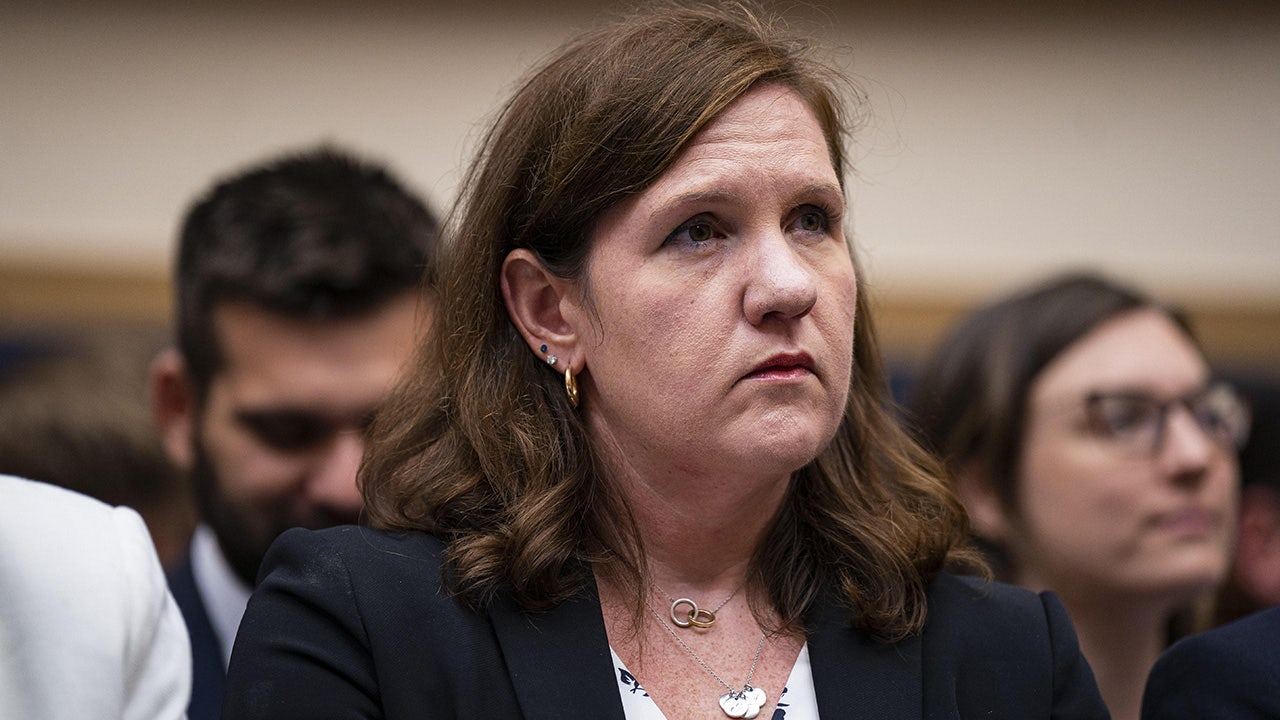
 FOX News
Supreme Court temporarily greenlights firing of Biden-appointed FTC commissioner
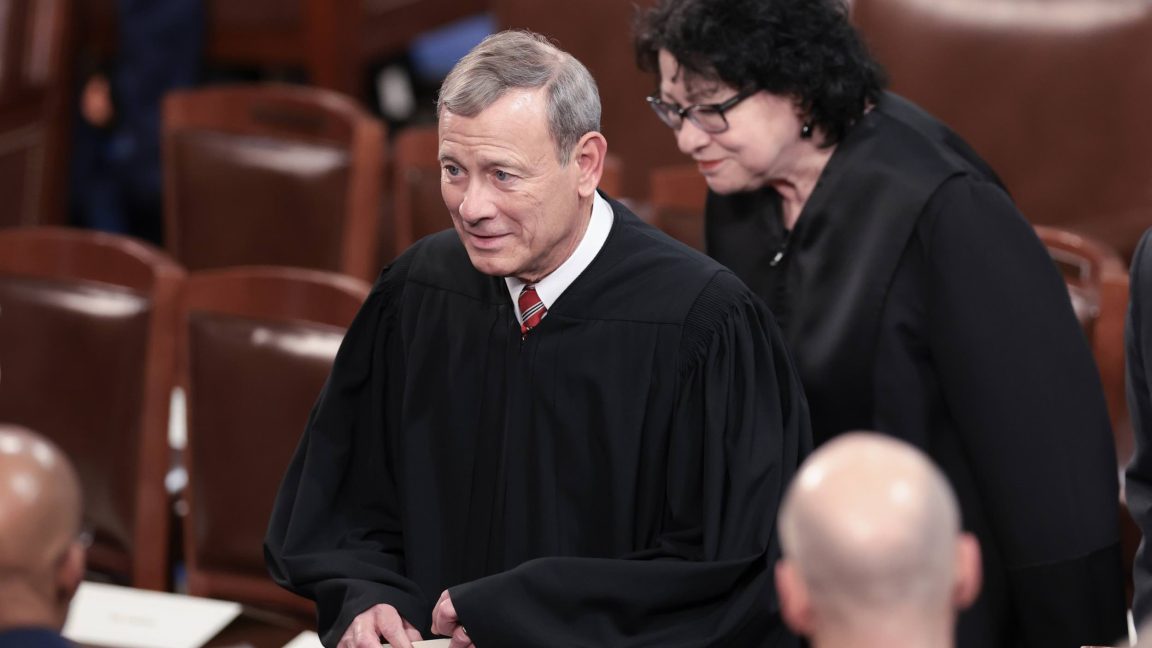
 ARS Technica
Trump’s attempt to fire FTC Democrat gets a boost from Supreme Court

 PBS NewsHour
Chief justice lets Trump remove member of Federal Trade Commission for now
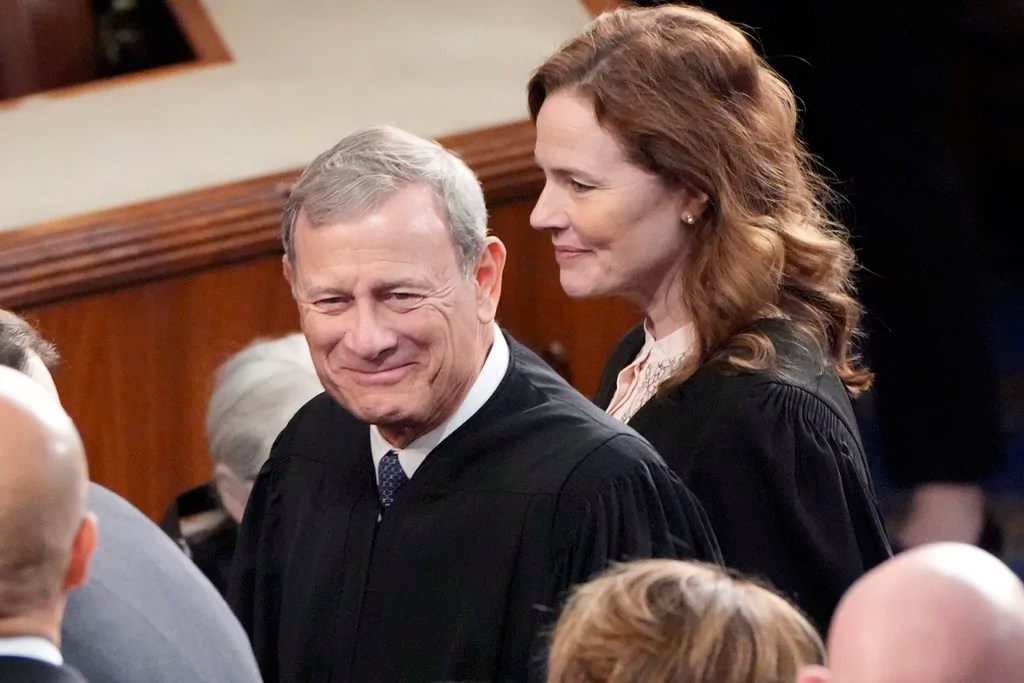
 Washington Examiner
Supreme Court allows Trump to fire FTC commissioner while considering case
Overview
President Trump controversially fired FTC Commissioners Rebecca Slaughter and Alvaro Bedoya, both Democrats, despite the FTC Act's "for cause" stipulation for their seven-year terms.
This action sparked a legal challenge regarding the President's authority to dismiss independent agency members without cause, with lower courts initially ruling Trump's attempt unlawful.
Chief Justice John Roberts had previously issued an administrative stay, temporarily blocking Slaughter's reinstatement while the Supreme Court reviewed Trump's emergency appeal.
The Supreme Court ultimately allowed President Trump to remove an FTC member without cause, reflecting a significant shift in executive power over independent agency terminations.
This landmark decision directly challenges the 1935 Supreme Court precedent, Humphrey's Executor, which previously established that presidents cannot dismiss independent board members without cause.
Analysis
Center-leaning sources frame this story by emphasizing the Supreme Court's temporary decision as a "direct challenge" to established legal precedents and congressional intent to protect agencies from political pressure. They highlight the court's perceived skepticism towards independent agencies and describe Trump's actions as an "expanded use of executive authority," underscoring a narrative of presidential power testing legal boundaries.