Trump Administration's Foreign Aid Freeze Faces Supreme Court Scrutiny Amid Congressional Authority Challenge
The Trump administration challenged Congress's authority by attempting to withhold billions in foreign aid. A legal battle ensued, with the Supreme Court narrowly rejecting a $2 billion freeze.

 Al Jazeera
Trump asks Supreme Court to let it cut billions in foreign aid
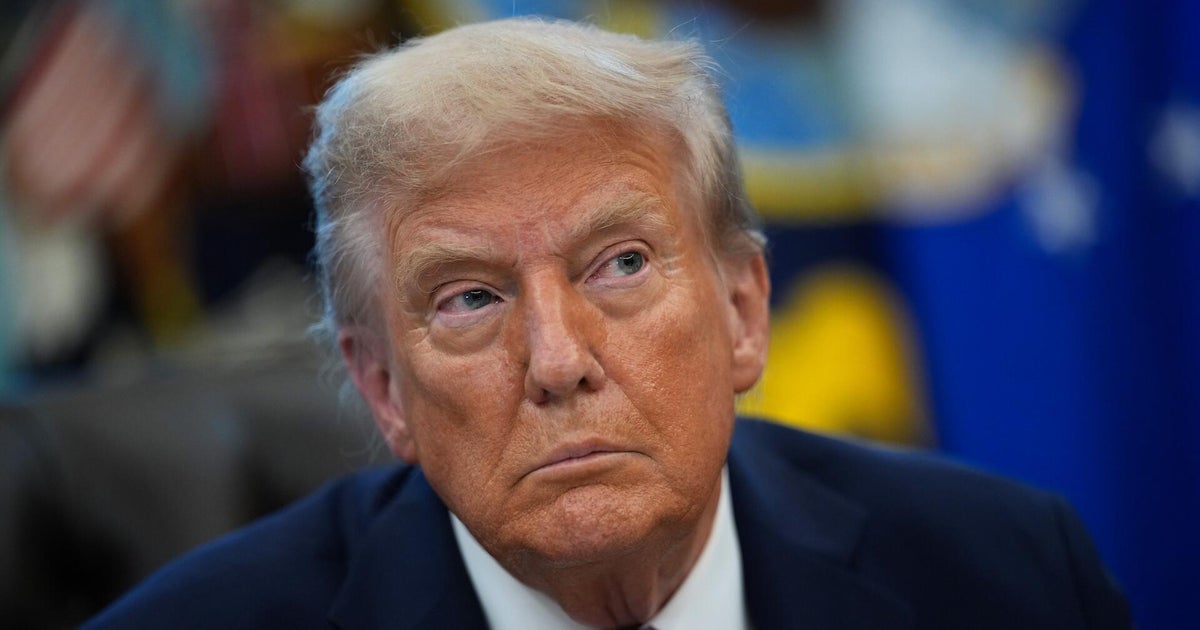
 CBS News
Trump administration asks Supreme Court to let it freeze billions in foreign aid funding
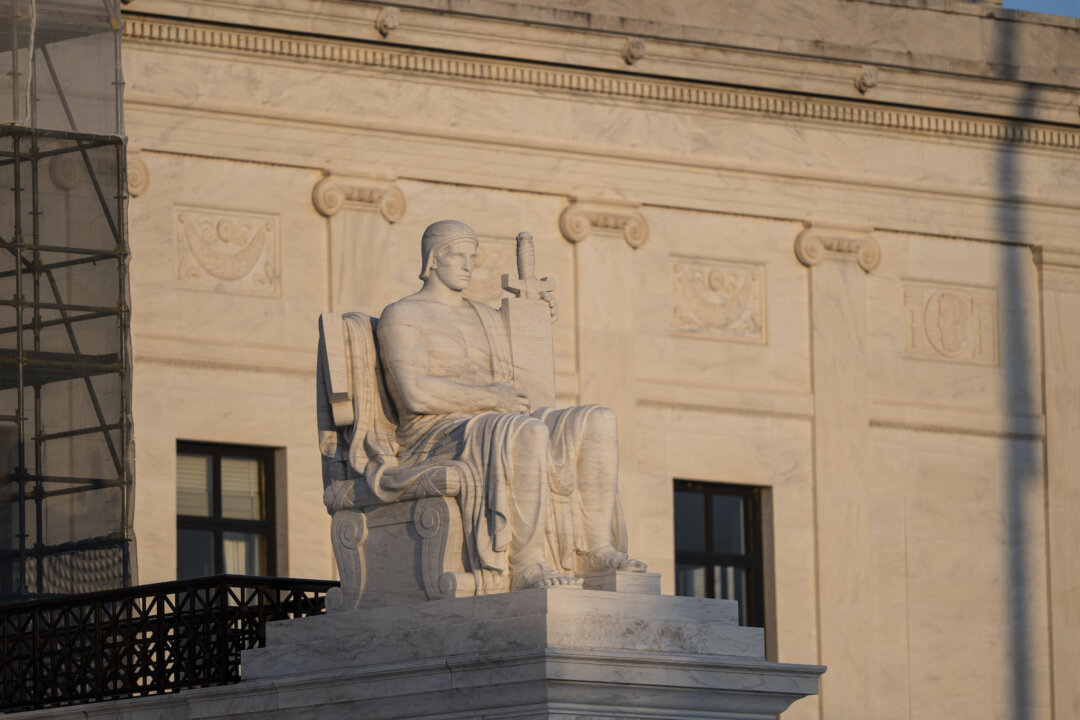
 Epoch Times
Trump Admin Asks Supreme Court to Allow Withholding of Foreign Aid Funds

 Daily Caller
Trump Admin Calls On Supreme Court To Stop Release Of $4 Billion In Foreign Aid
Overview
The Trump administration sought to freeze billions in foreign aid, challenging Congress's constitutional authority over approved spending, citing a rarely used presidential power from 50 years ago.
Judge Amir Ali initially ruled the administration's withholding of funds likely illegal, emphasizing that congressional approval is required for any rescission proposal to legally withhold funds.
The Justice Department planned to spend $6.5 billion in previously frozen aid by September 30, while simultaneously seeking Supreme Court approval to withhold an additional $4 billion.
The legal dispute escalated through the courts, with the administration appealing to the Supreme Court after the D.C. Circuit Court refused to block Judge Ali's ruling.
The Supreme Court narrowly rejected the Trump administration's request to freeze $2 billion in foreign aid, allowing Congress-approved funds to be released, though the broader legal battle continues.
Analysis
Center-leaning sources frame this story by emphasizing the negative implications of the Trump administration's foreign aid freeze. They highlight the policy's "meager savings" relative to the deficit and its "possible damage to America’s reputation abroad," linking it to foreign populations losing access to vital programs. The coverage also prioritizes strong, critical language from those opposing the administration's actions.