Supreme Court to Expedite Review of Trump's Sweeping Tariffs, Challenging Presidential Emergency Powers
The Supreme Court will fast-track a review of President Trump's broad tariffs, imposed under emergency powers and deemed illegal by lower courts. Billions in refunds are at stake.
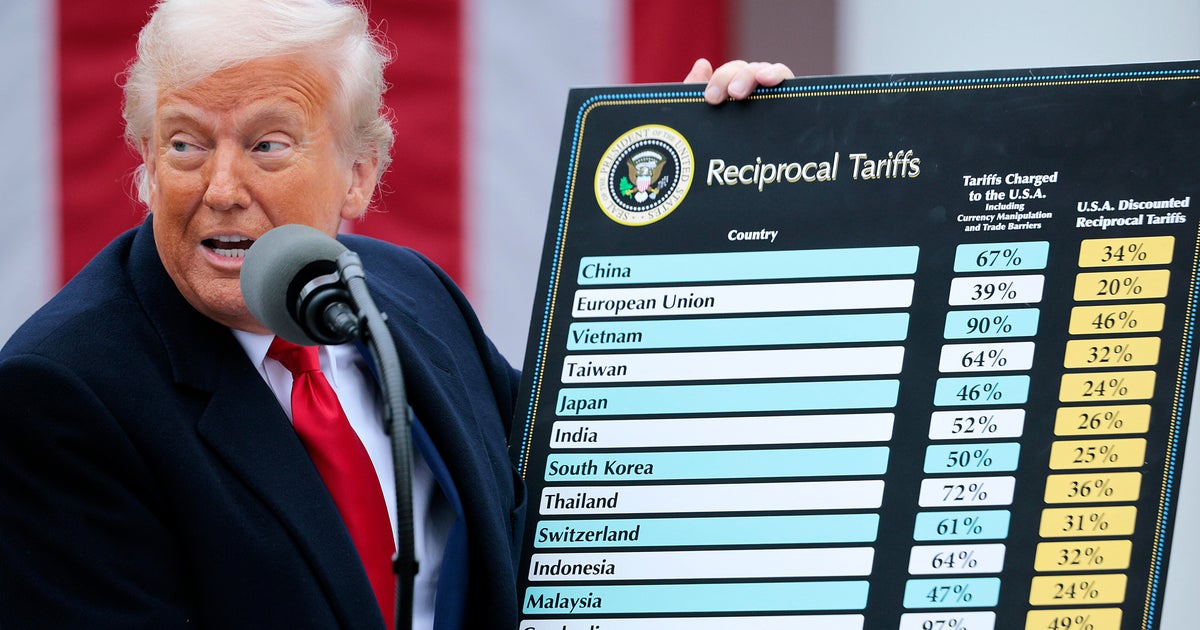
 CBS News
Supreme Court takes up legal battle over Trump tariffs, setting stage for major showdown

 Al Jazeera
US Supreme Court to decide legality of Trump’s tariffs
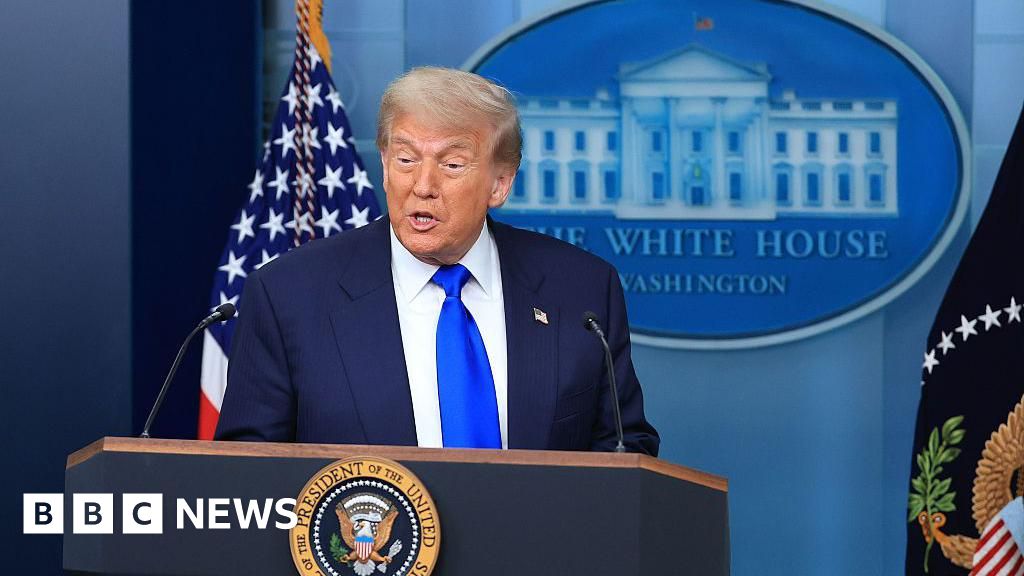
 BBC News
Supreme Court to decide if Trump's global tariffs are legal
 Reason
Supreme Court Will Hear Our Case Challenging Trump's Tariffs - and Two Other Related Cases
Overview
The Supreme Court will hear arguments in the first week of November regarding the legality of President Trump's tariffs, an unusually fast timetable for the court.
Lower federal courts ruled that President Trump exceeded his authority by using the 1977 International Emergency Economic Powers Act (IEEPA) to impose global tariffs.
President Trump utilized IEEPA, a law previously used for economic sanctions, to impose tariffs citing national emergencies and to curb fentanyl trafficking.
Small businesses and a dozen states challenged the tariffs, arguing they overstepped presidential authority, leading to the expedited Supreme Court review.
A Supreme Court decision against the tariffs could necessitate the U.S. Treasury refunding billions in collected import taxes, impacting the administration's agenda.
Analysis
Center-leaning sources cover this story neutrally, presenting a balanced overview of the Supreme Court case on Trump's tariffs. They detail both the administration's arguments for their legality and the challengers' arguments against them, focusing on factual information, legal context, and potential economic impacts without adopting a biased stance.