Trump's D.C. Police Control Ends, But Federal Oversight and Autonomy Battle Continue
President Trump's 30-day federal control of D.C. police ends, but federal oversight and legislative challenges to the district's autonomy persist. Congress debates bills impacting local laws.
 Newsmax
Trump's DC Emergency Order Is Set to Expire; House to Place New Limits

 TIME Magazine
Trump's D.C. Emergency Declaration Is Expiring. What's Next?
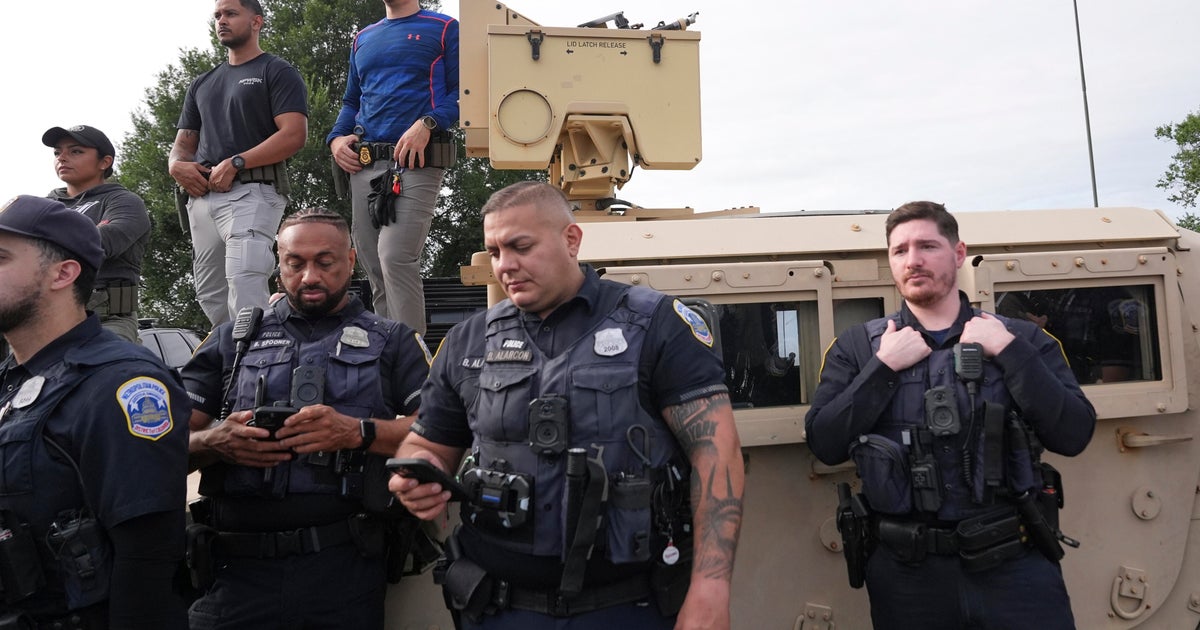
 CBS News
Federal takeover of D.C. police expiring today, although National Guard will remain
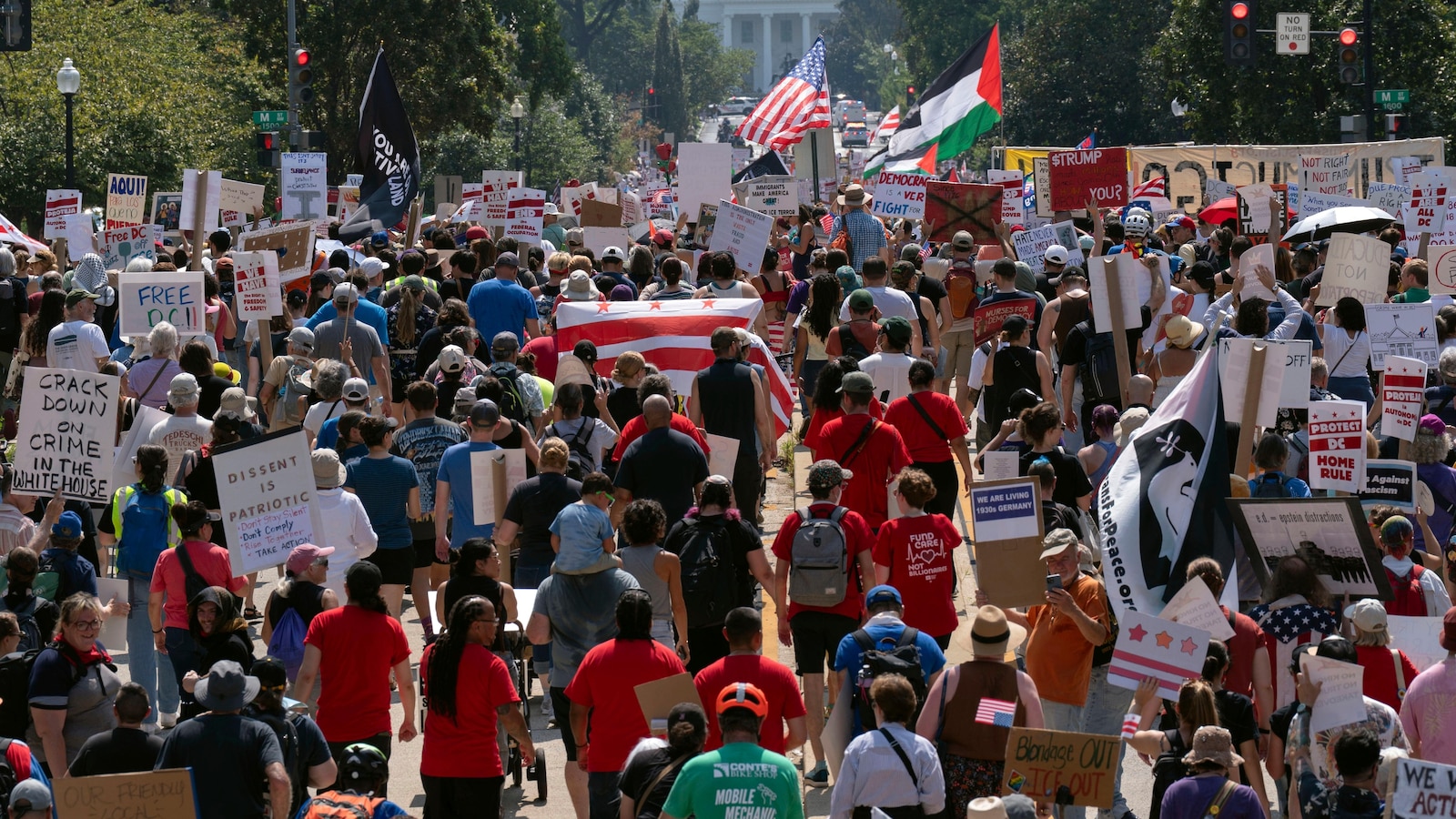
 ABC News
Trump's emergency order for DC is set to expire, but House moves to place new limits on the city
Overview
President Trump's 30-day emergency order, federalizing D.C.'s police and activating the National Guard due to rising crime, expires tonight as Congress failed to extend it.
Despite the order's expiration, the National Guard will remain deployed in Washington, D.C. through November at the Trump administration's request, maintaining a federal presence.
The federal takeover coincided with decreased crime rates, though data suggests the decline began prior to these actions, fueling debate over the intervention's true impact and necessity.
Congress is actively debating 13 bills that could significantly reduce D.C.'s limited autonomy, proposing changes like eliminating the elected attorney general and reforming the bail system.
Mayor Muriel Bowser and D.C. activists are lobbying against these federal legislative proposals, highlighting the persistent tension between the district's home rule and federal oversight.
Analysis
Center-leaning sources frame this story by emphasizing the temporary and limited nature of federal intervention in D.C. They highlight local resistance, legal challenges, and the perceived negative impacts on community trust. The narrative questions federal claims of success, prioritizing the perspective of D.C. officials and the broader implications for home rule and statehood.