President Trump Declares D.C. Crime Emergency, Federalizes Police Amid Immigration Enforcement Push
President Trump declared a crime emergency in Washington D.C., federalizing police and deploying federal agents and National Guard. This move, ostensibly for crime, was also linked to immigration enforcement and Mayor Bowser's policies.

 Daily Kos
Trump cooks up a new reason to occupy DC
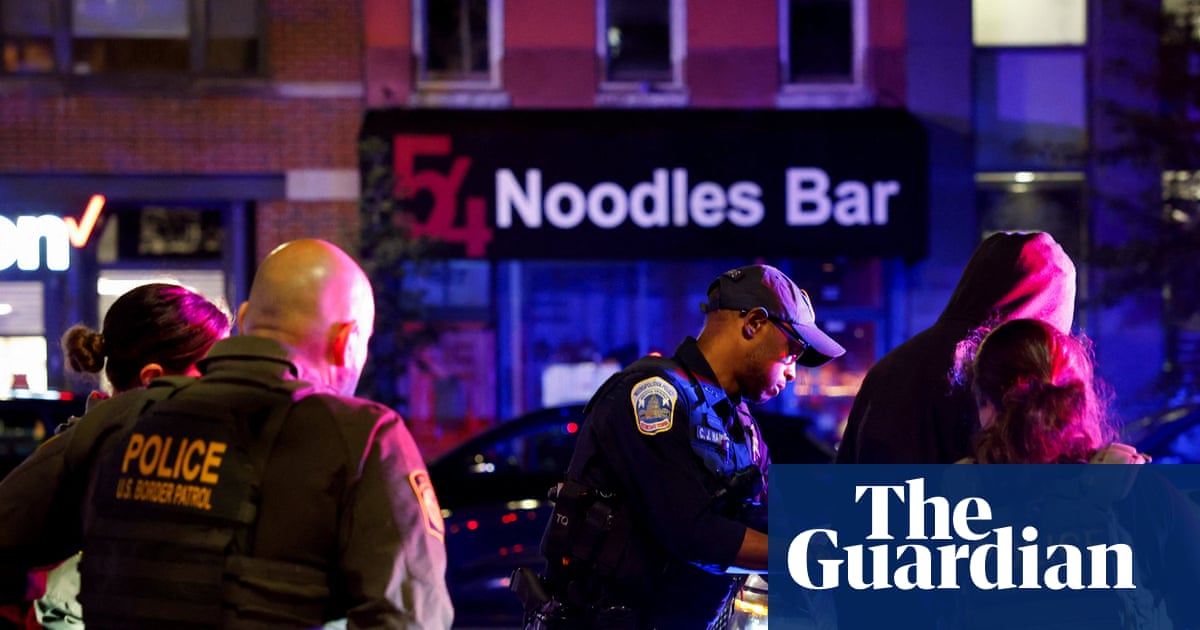
 The Guardian
Trump threatens national emergency to force Washington DC police cooperation

 Western Journal
Trump Threatens to Declare National Emergency After DC Mayor Caves to 'Pressure from the Radical Left'

 NBC News
Trump threatens to federalize D.C. police again if the department doesn't cooperate with immigration officials
Overview
President Trump declared a "crime emergency" in Washington D.C., moving to federalize its police force and deploy National Guard troops for 30 days, despite official reports indicating low violent crime rates in the capital.
The declaration was partly a response to Mayor Bowser's opposition to federal immigration enforcement, with President Trump threatening to take control of D.C.'s police if the city did not comply with federal deportation plans.
The federal government significantly increased security in the capital, deploying the National Guard and over 2,000 federal agents, many of whom continued to patrol the city following the emergency declaration.
President Trump's stated aim was to crack down on crime, but the operation also served to uphold his administration's broader federal immigration enforcement and mass deportation agenda.
An Associated Press investigation revealed that over 40% of the arrests made during this federal operation were immigration-related, suggesting the initiative functioned more as a deportation effort than a direct crime-fighting measure.
Analysis
Center-leaning sources cover the story neutrally by presenting both sides of the dispute between President Trump and Mayor Bowser regarding D.C. police cooperation with ICE. They provide factual context, including past federalization details, crime statistics, and legal challenges to Trump's authority, allowing readers to form their own conclusions without overt editorial bias.