Trump's Federal Deployments Face Legal Challenges and Local Opposition Across U.S. Cities
President Trump deployed federal forces to Democrat-led cities like Portland and Chicago, citing protests and property protection. This sparked legal challenges and strong opposition from state and local officials.
 ABC News
200 California National Guard troops arrive in Portland
 CBS News
Court fight continues as Trump sends California National Guard troops to Oregon
 PBS NewsHour
Another court fight brews as Trump sends California National Guard troops to Oregon

 Boston Herald
Trump moves Calif. troops to Oregon
Overview
President Trump authorized federal agents and National Guard troops for deployment to several Democrat-led cities, including Portland, Chicago, Los Angeles, and Washington D.C., to address protests and protect federal property.
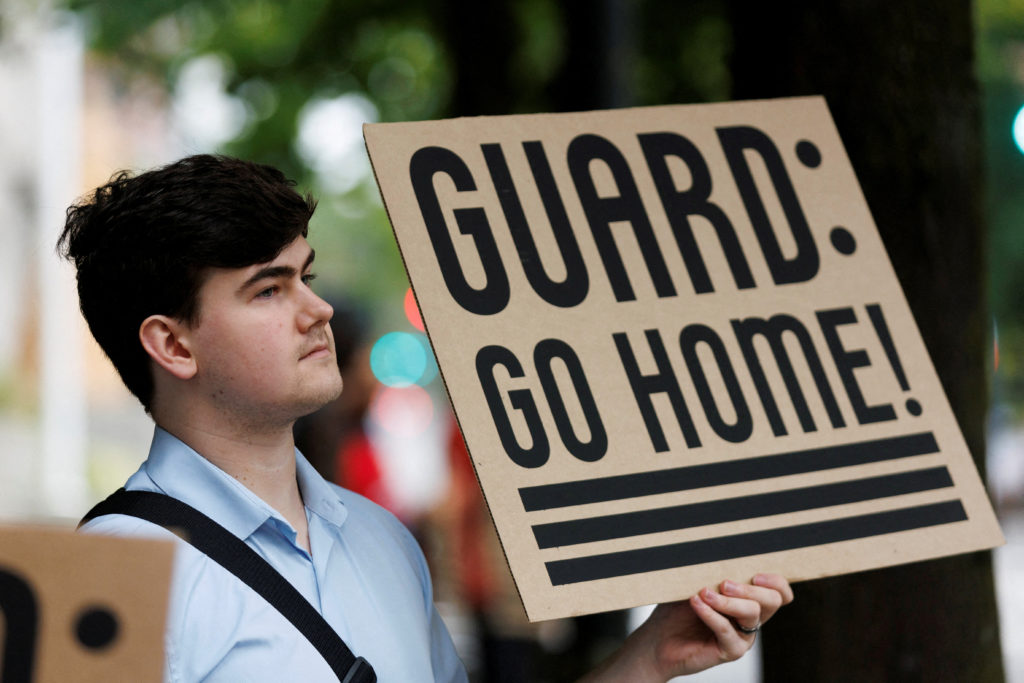
These deployments often occurred despite strong opposition from state governors and local officials, who viewed them as an overreach of federal authority and unnecessary intervention in local matters.
Federal judges in Oregon and California issued temporary blocks against some deployments, citing constitutional concerns and potential violations of the Posse Comitatus Act, which restricts military involvement in domestic law enforcement.
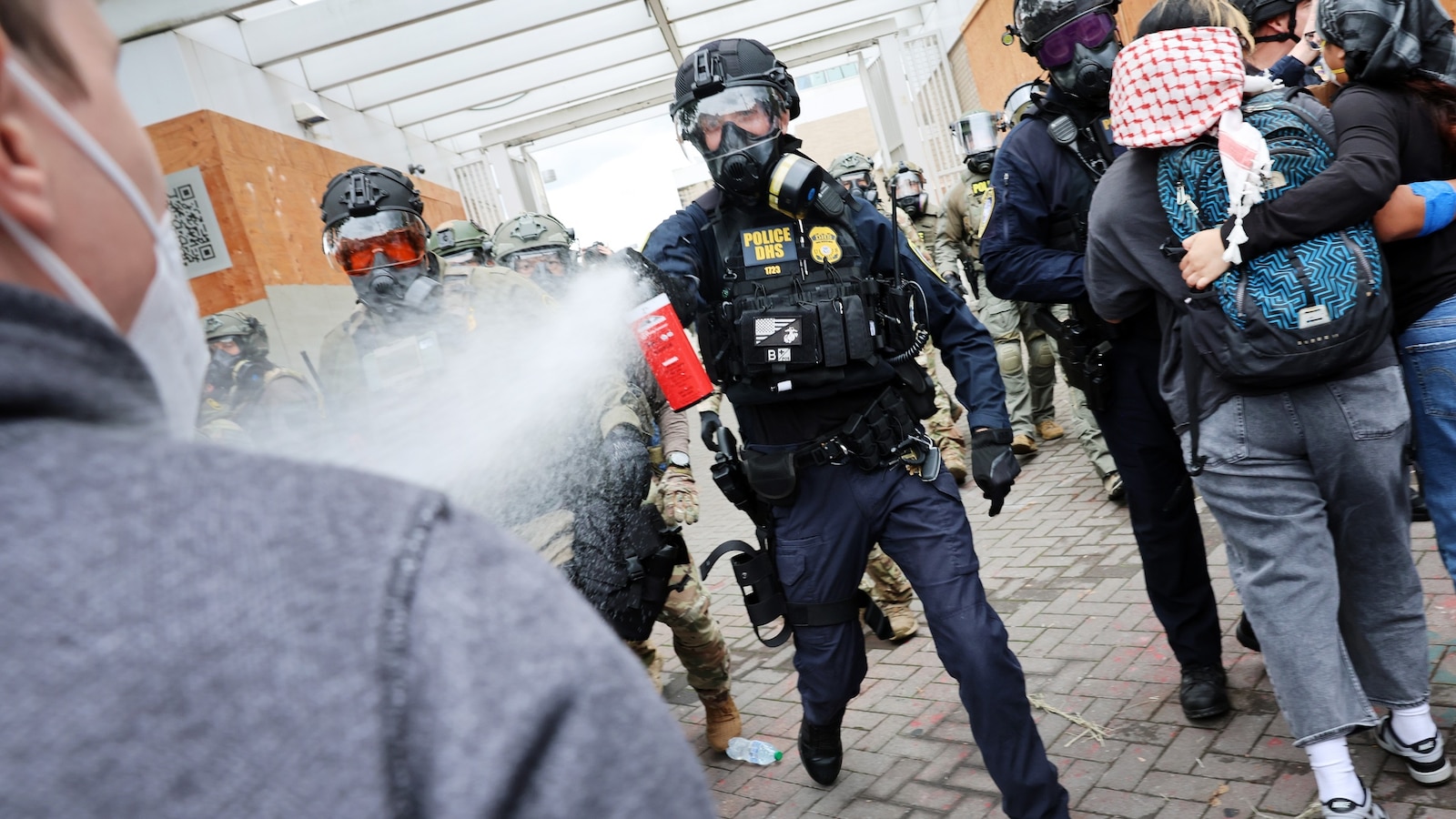
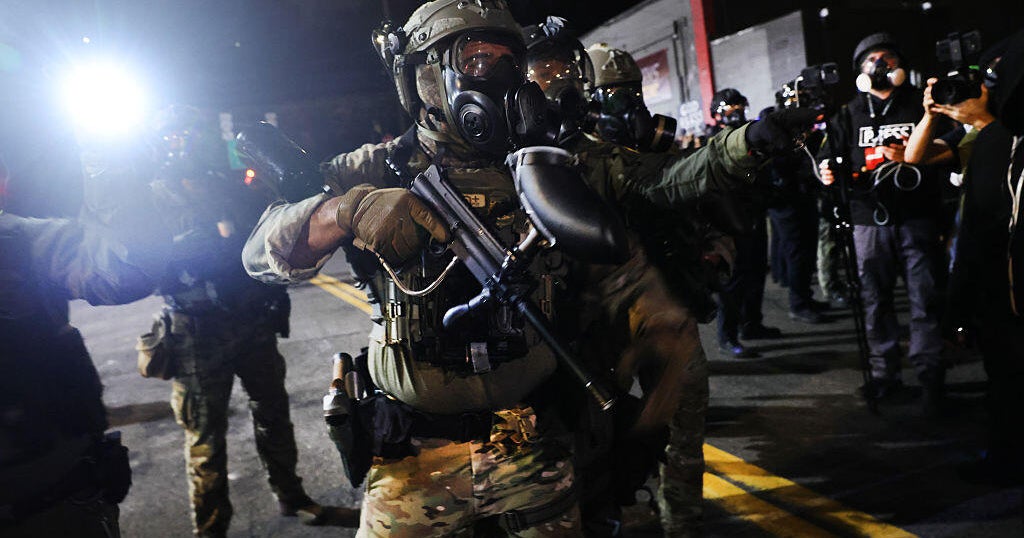
The presence of federal agents led to increased tensions and clashes with protesters, particularly around ICE facilities in Portland and Chicago, resulting in arrests and the use of tear gas and rubber bullets.
Legal challenges and appeals by the Trump administration continued, with the 9th Circuit Court of Appeals suggesting the administration might ultimately prevail on the legality of using the National Guard.
Analysis
Center-leaning sources frame this story by emphasizing the legal and political opposition to the Trump administration's deployment of National Guard troops. They highlight the perceived circumvention of a federal court order and aggregate condemnations from multiple Democratic governors, portraying the actions as controversial and an overreach of federal power.