French Prime Minister Sébastien Lecornu Resigns After Less Than a Month, Deepening Political Crisis and Debt Concerns
French Prime Minister Sébastien Lecornu resigned after 27 days, intensifying France's political crisis. His departure, amid a fragmented legislature and significant public debt, leaves President Macron with limited options.

 Daily Caller
France's New Government Collapses In Just 14 Hours
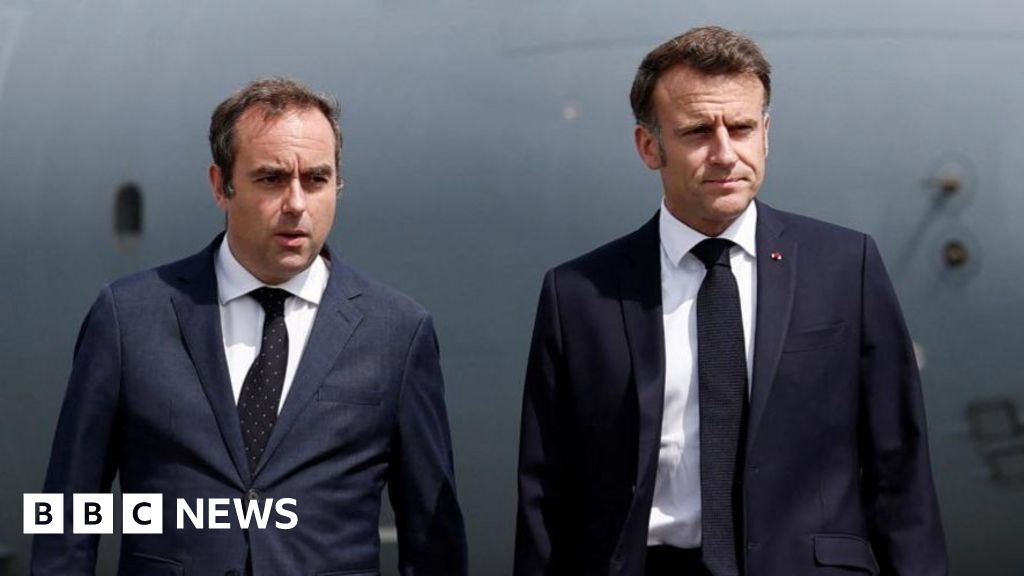
 BBC News
French Prime Minister Sébastien Lecornu resigns after less than a month
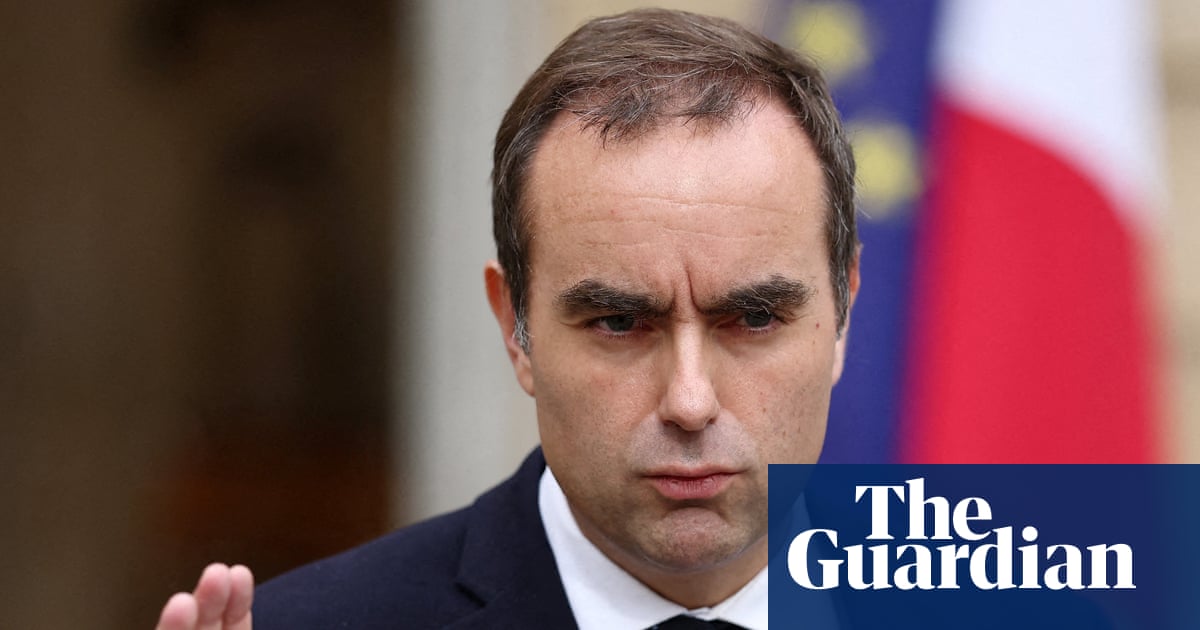
 The Guardian
Macron asks outgoing French PM to make last-ditch effort to resolve political crisis
 Associated Press
Latest French government's collapse within 14 hours deepens Macron's political crisis
Overview
French Prime Minister Sébastien Lecornu resigned after just 27 days, becoming the shortest-serving PM in the Fifth Republic's history and deepening France's ongoing political instability.
President Emmanuel Macron accepted Lecornu's resignation amid record-low approval polls, as France grapples with a fragmented legislature lacking a clear majority.
Lecornu resigned due to his inability to build consensus and loss of conservative support, hindering efforts to pass a budget and address France's significant public debt.
The resignation caused investor concern, leading to a nearly 2% drop in the CAC-40 index. Ministers became caretakers, managing daily affairs until a new government forms.
Opponents, including Marine Le Pen, are now pressuring President Macron to call for snap parliamentary elections or resign, intensifying France's political turmoil.
Analysis
Center-leaning sources frame the French political situation as a severe "crisis" marked by "chaos" and "entrenched divisions." They use evaluative language like "political charade" and "partisan appetites" to portray a dysfunctional system. The narrative emphasizes a bleak outlook, suggesting an inevitable "rout" for the center and a "big victory" for the hard-right, linking instability to economic woes.