Supreme Court Weighs Free Speech Challenge to Colorado's Conversion Therapy Ban for Minors
The U.S. Supreme Court is reviewing Colorado's ban on conversion therapy for LGBTQ minors, considering if it violates free speech rights. The ruling will impact similar laws nationwide.
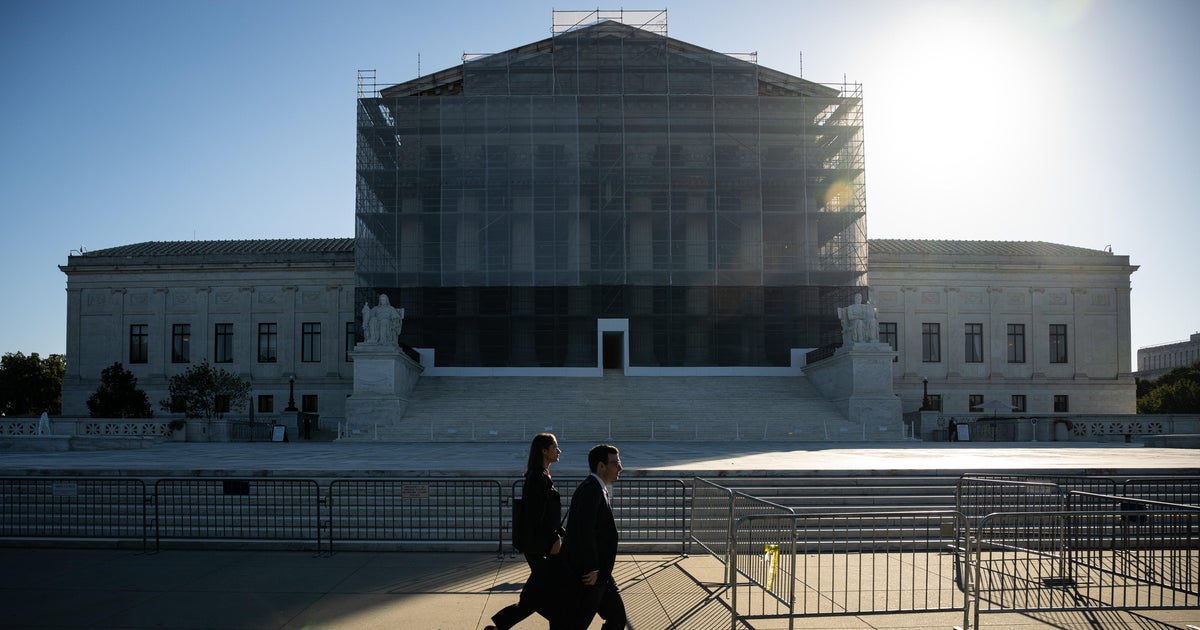
 CBS News
Supreme Court wrestles with Colorado counselor's challenge to "conversion therapy" ban
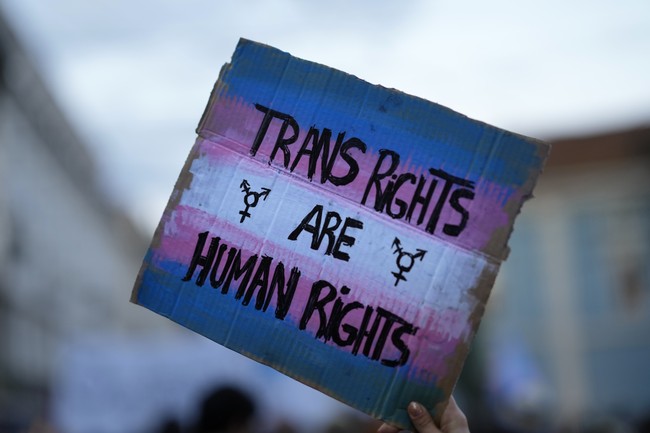
 RedState
Supreme Court Hints That Colorado's Ban on Conversion Therapy Is Headed for the Dustbin of History

 PBS NewsHour
What Supreme Court justices signaled in arguments over Colorado's conversion therapy ban
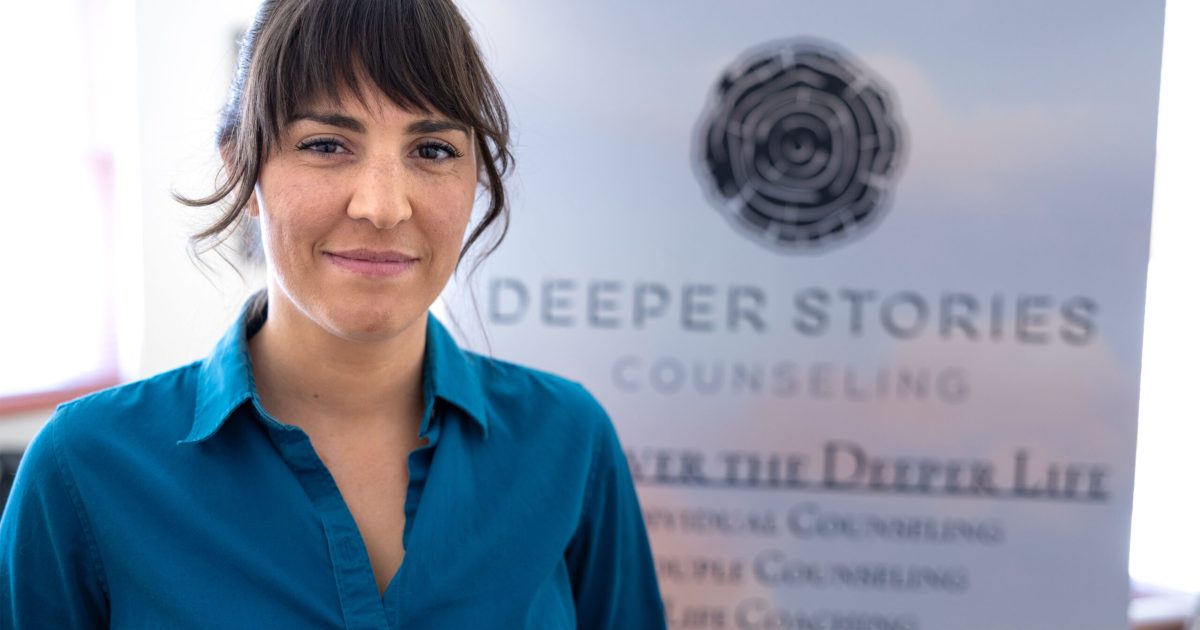
 World News Group
Supreme Court scrutinizes one-way LGBTQ counseling ban
Overview
The U.S. Supreme Court is currently reviewing Colorado's 2019 law banning conversion therapy for LGBTQ minors, a case with significant national implications for similar statutes across over 20 states.
Christian therapist Kaley Chiles challenges Colorado's ban, asserting it infringes upon her First Amendment rights to free speech by restricting counseling on sexual orientation and gender identity.
Colorado argues its law regulates professional conduct to protect minors from a scientifically discredited practice, which major medical organizations condemn as harmful and ineffective.
The Supreme Court's conservative majority appears poised to rule against Colorado's ban, raising concerns about potential First Amendment violations and limitations on free speech.
A decision is anticipated by June, potentially extending to early July or next year, and will determine if talk therapy aimed at changing minors' sexual orientation or gender identity is constitutionally protected.
Analysis
Center-leaning sources cover the Supreme Court's oral arguments on conversion therapy bans neutrally, presenting both sides of the legal debate. They explain the core conflict between free speech and state regulation, detail justices' questions, and provide context on medical consensus and past rulings. The reporting avoids loaded language, allowing the arguments and court's perceived leanings to speak for themselves.