Supreme Court Deliberates Louisiana Redistricting, Posing Major Test for Voting Rights Act
The Supreme Court is reviewing Louisiana's congressional map, specifically a second majority-Black district, to determine if it violates the Constitution or if the Voting Rights Act mandates unconstitutional racial gerrymandering.

 Chicago Tribune
Supreme Court case could lead to loss of Black representation in Congress, but the scope is unknown

 RedState
Could a SCOTUS Decision in 'Louisiana v. Callais' End Democrat Redistricting Scams Once and for All?
 PBS NewsHour
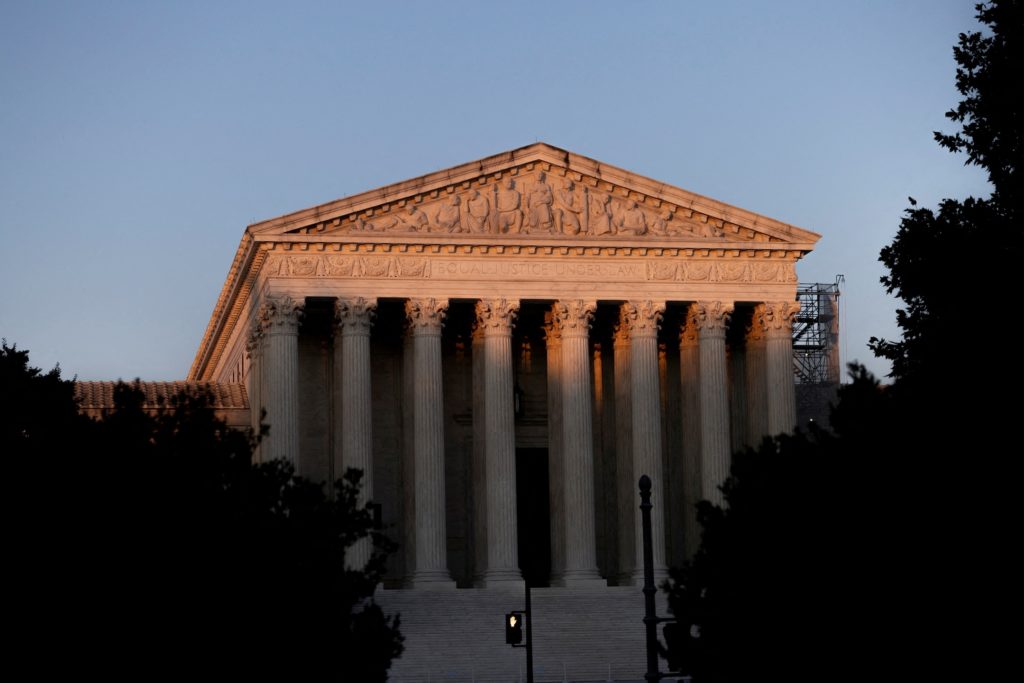
What the justices signaled in a Supreme Court case that could reshape electoral maps
 MSNBC
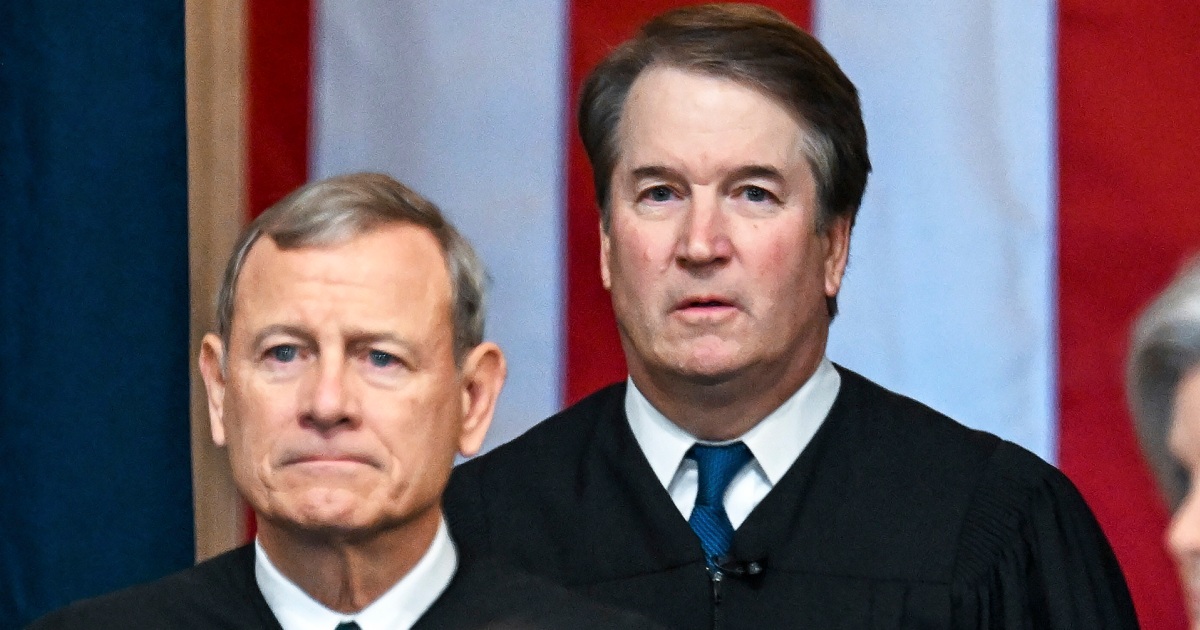
MSNBCJustice Kavanaugh insists on imposing a made-up time limit on the law and the Constitution
Overview
Louisiana's initial 2020 redistricting map, with only one majority-Black district despite a third Black population, faced legal challenges under the Voting Rights Act for alleged discrimination.
Following court orders, Louisiana redrew its congressional map in 2024 to include a second majority-Black district, aiming to comply with Section 2 of the Voting Rights Act.
The Supreme Court is now reviewing this new map, considering if creating majority-Black districts constitutes unconstitutional racial gerrymandering under the 14th and 15th Amendments.
A ruling could significantly weaken the Voting Rights Act, potentially reducing minority representation and allowing states to redraw maps that favor Republican electoral prospects nationwide.
This pivotal case, Louisiana v. Callais, could reshape electoral districts, impact the 2026 elections, and alter the foundational role of race in redistricting for years.
Analysis
Center-leaning sources frame this story by emphasizing the Supreme Court's "conservative majority" as actively "undermining" the "landmark" Voting Rights Act. They highlight the potential for reduced minority representation and partisan benefits for Republicans, using evaluative language and selectively presenting arguments to underscore the perceived threat to civil rights protections.