James Comey Seeks Dismissal of Indictment, Citing Unlawful Prosecutor Appointment and Trump's Political Vendetta
James Comey seeks dismissal of charges for allegedly lying to Congress, citing the U.S. attorney's unlawful appointment by Trump and alleged political vendetta.
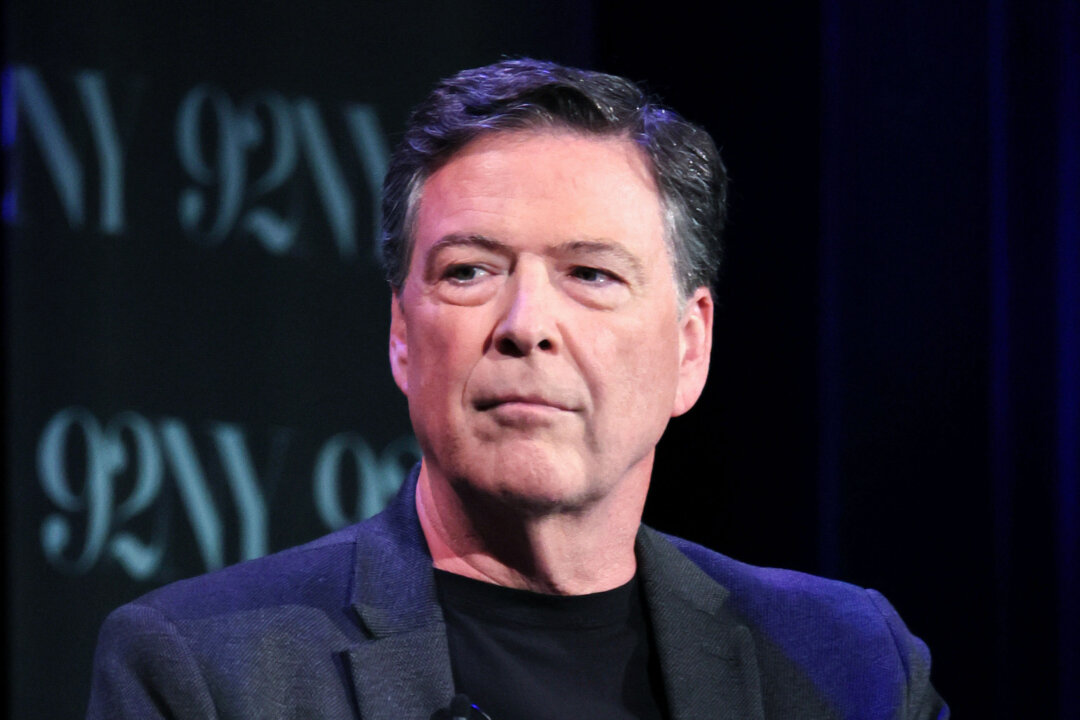
 Epoch Times
Comey Alleges Vindictive Prosecution, Illegal Appointment in Motions to Dismiss
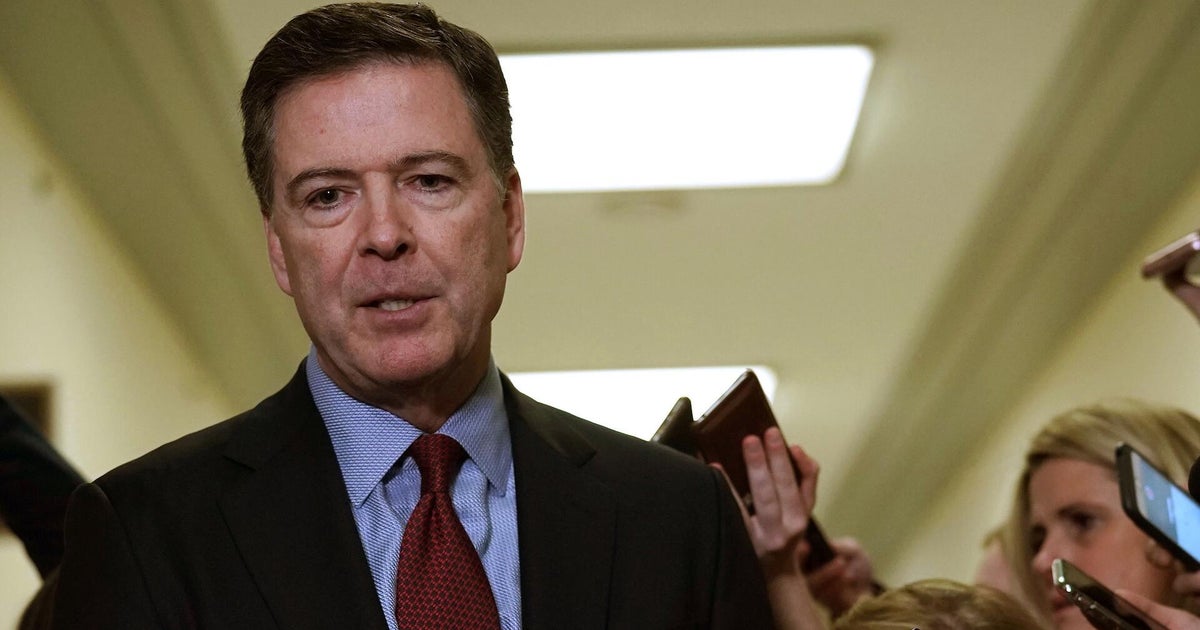
 CBS News
Comey seeks to have indictment tossed, arguing charges were driven by Trump's "personal animus"
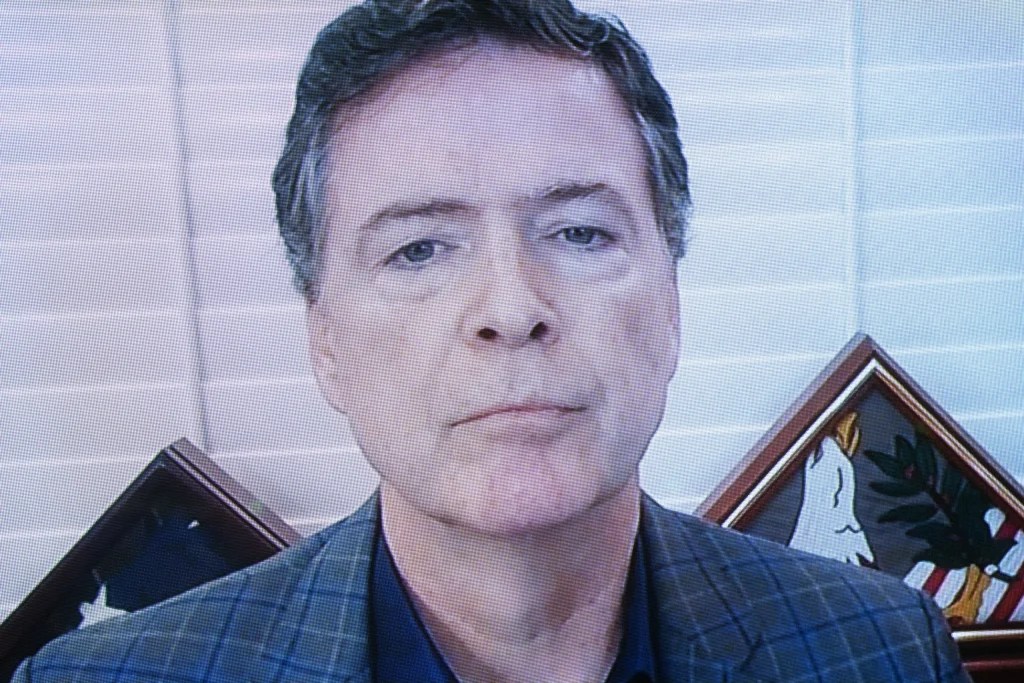
 Washington Examiner
Comey cites Trump post as proof of selective prosecution

 Daily Beast
Comey Uses Trump’s Bondi Rant to Show Why Case Should be Tossed
Overview
Former FBI Director James Comey faces charges for allegedly lying to Congress and obstructing proceedings related to his 2020 testimony about authorizing media leaks.
Comey's legal team is seeking dismissal of the indictment, arguing that the U.S. Attorney, Lindsey Halligan, was unlawfully appointed by then-President Trump.
The defense claims Trump's public criticisms and political vendetta against Comey influenced the Justice Department's rush to indict him before the statute of limitations expired.
Halligan, a former Trump defense lawyer, was appointed interim U.S. Attorney for Eastern Virginia in September, with her appointment now facing legal challenges in court.
Comey has pleaded not guilty, and a hearing for the motion to dismiss is scheduled for November 19, preceding the trial set for January 5.
Analysis
Center-leaning sources frame this story by emphasizing James Comey's defense arguments, particularly the claim of "vindictive prosecution." They highlight the circumstances surrounding the prosecutor's appointment and former President Trump's public statements, creating a narrative that questions the legitimacy of the charges. This approach prioritizes Comey's perspective, giving less space to the prosecution's direct counter-arguments.