Judge Mandates Body Cameras for Border Patrol in Chicago Amid Trump Administration Crackdown
Judge Sara Ellis mandated U.S. Border Patrol agents in Chicago use body cameras during arrests and protests, addressing concerns over aggressive tactics amid a Trump administration crackdown.
 PBS NewsHour
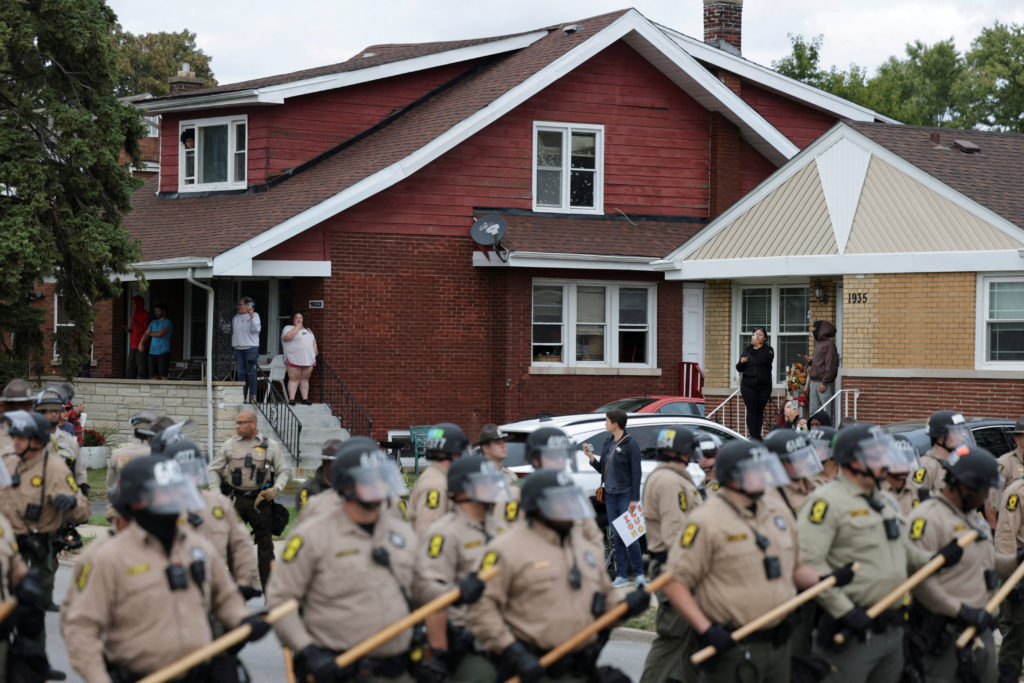
Official defends use of tear gas in Chicago and says agents on immigration sweeps have cameras

 Boston Herald
Official defends use of tear gas in Chicago
 Newsmax
ICE Needs More Money to Expand Use of Bodycams in Chicago
 Associated Press
ICE would need more money to expand use of bodycams in Chicago crackdown, official says
 CNN
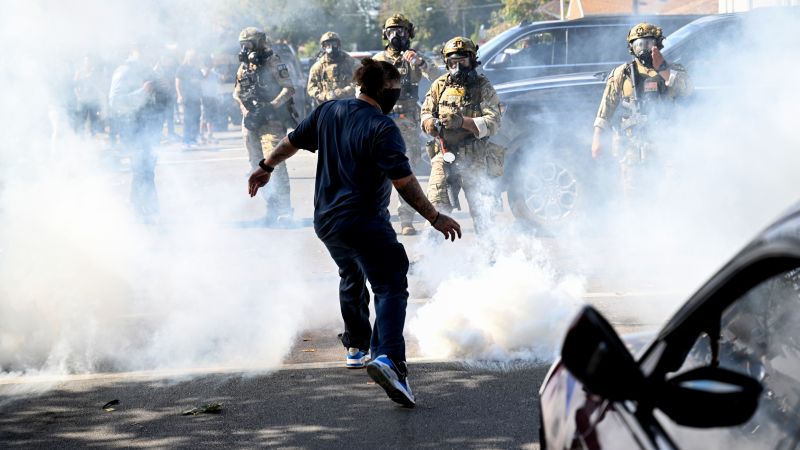
CNNFederal officials try to reassure judge they’re following her orders to tone down and record Chicagoland protest actions
Overview
Judge Sara Ellis mandated U.S. Border Patrol agents in Chicago wear body cameras during arrests, frisks, and searches. This aims to enhance accountability amid a Trump administration crackdown.
The mandate follows a lawsuit by news organizations and community groups addressing concerns about aggressive tactics and over 1,000 arrests made by agents in the Chicago area.
Judge Ellis ordered agents to wear badges and restricted riot control techniques against peaceful protesters and journalists. The government consistently denies any allegations of wrongdoing.
The Trump administration is prohibited from using the National Guard to support immigration officers in Illinois, though it seeks Supreme Court approval for broader deployment.
A hearing questioned federal officials, including CBP's Gregory Bovino and ICE's Shawn Byers, on agent numbers, training, and tactics. There are 201 Border Patrol agents in Chicago.
Analysis
Center-leaning sources frame this story by emphasizing judicial scrutiny of federal immigration enforcement tactics. They highlight Judge Ellis's orders and concerns regarding agent conduct, body camera use, and transparency, such as her "surprise" at deleted surveillance footage. The narrative portrays federal officials as responding defensively, particularly through the use of evaluative language like "bristled" when describing the government's reaction to suggestions of wrongdoing.