Rodrigo Paz Wins Bolivian Presidency, Ending Two Decades of Leftist Rule Amid Severe Economic Crisis
Rodrigo Paz secured Bolivia's presidency, ending two decades of leftist rule. His victory signals a major political shift as the nation grapples with its worst economic crisis in 40 years, facing severe dollar and fuel shortages.
 Newsmax
Bolivia's First Conservative President in 20 Years Promises Warmer US Ties

 Breitbart News
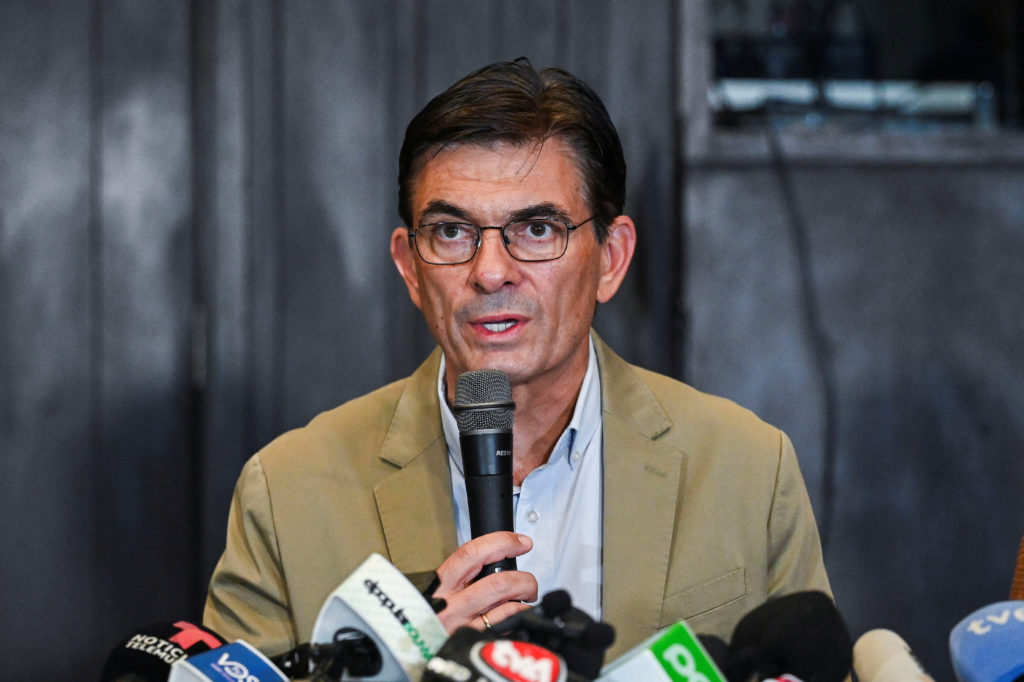
Bolivia Elects 'Capitalism for All' Candidate Rodrigo Paz President, Ending 20 Years of Socialism
 PBS NewsHour
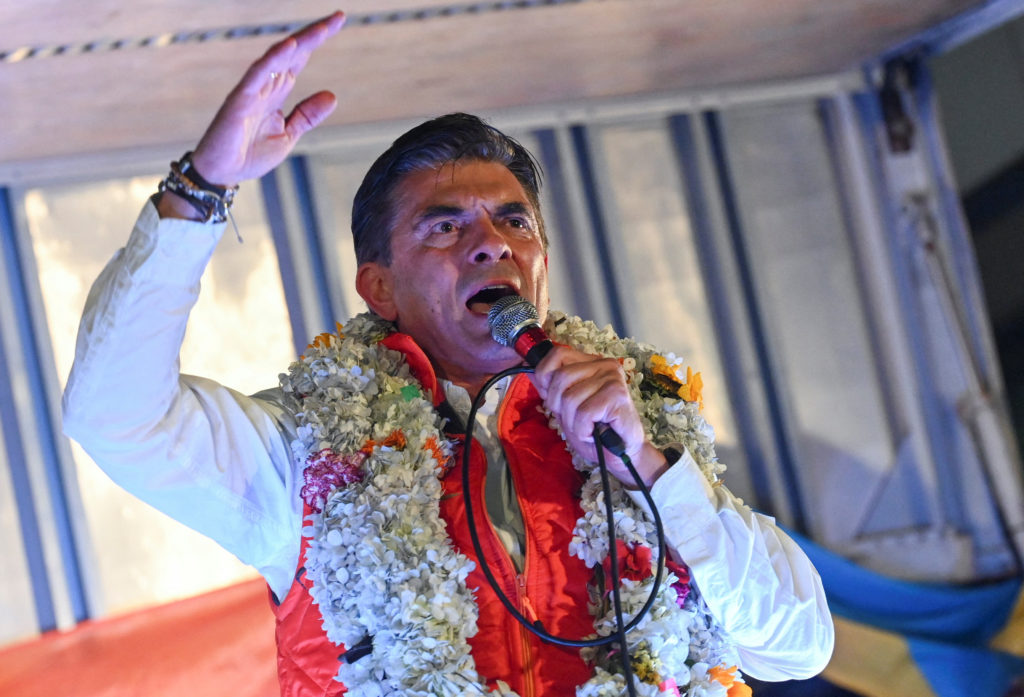
What to know about Rodrigo Paz, who shot from obscurity to Bolivia's presidency
 PBS NewsHour
Rodrigo Paz wins presidential runoff, becoming Bolivia's first conservative leader in decades
Overview
Centrist senator Rodrigo Paz won Bolivia's presidency with 54.5% of votes, ending nearly 20 years of leftist rule and defeating former President Quiroga, who received 45.5%.
Paz's victory signals a significant political shift for Bolivia, which has been under the Movement Toward Socialism party since Evo Morales's 2005 election.
Bolivia faces its worst economic crisis in four decades, marked by 23% inflation, a severe U.S. dollar shortage since 2023, and widespread fuel disruptions.
Paz plans to overhaul Bolivia's economic model by ending the fixed exchange rate, phasing out fuel subsidies, and reducing public investment, while declining an IMF bailout.
The new president, who assumes office on November 8, also aims to improve strained relations with the U.S. and boost foreign investment to stabilize the economy.
Analysis
Center-leaning sources frame Paz's election as a necessary shift away from nearly two decades of socialist rule, driven by Bolivia's severe economic crisis and Mas party infighting. They emphasize Paz's promises of free-market reforms, international investment, and improved US relations as solutions, portraying his victory as a hopeful "new direction" for a deeply divided nation grappling with significant challenges.