Graham Platner Faces Controversy Over Nazi-Linked Tattoo While Retaining Bernie Sanders' Endorsement
Maine Senate candidate Graham Platner faces controversy over a Nazi-linked Totenkopf tattoo, claiming ignorance, yet retains Bernie Sanders' endorsement in the competitive race.

 Washington Free Beacon
Pod Save Platner: Obama Bros Described Hegseth Tattoo as 'Dog Whistle' Before Helping Maine's Platner Fend Off Scrutiny for Nazi Tattoo
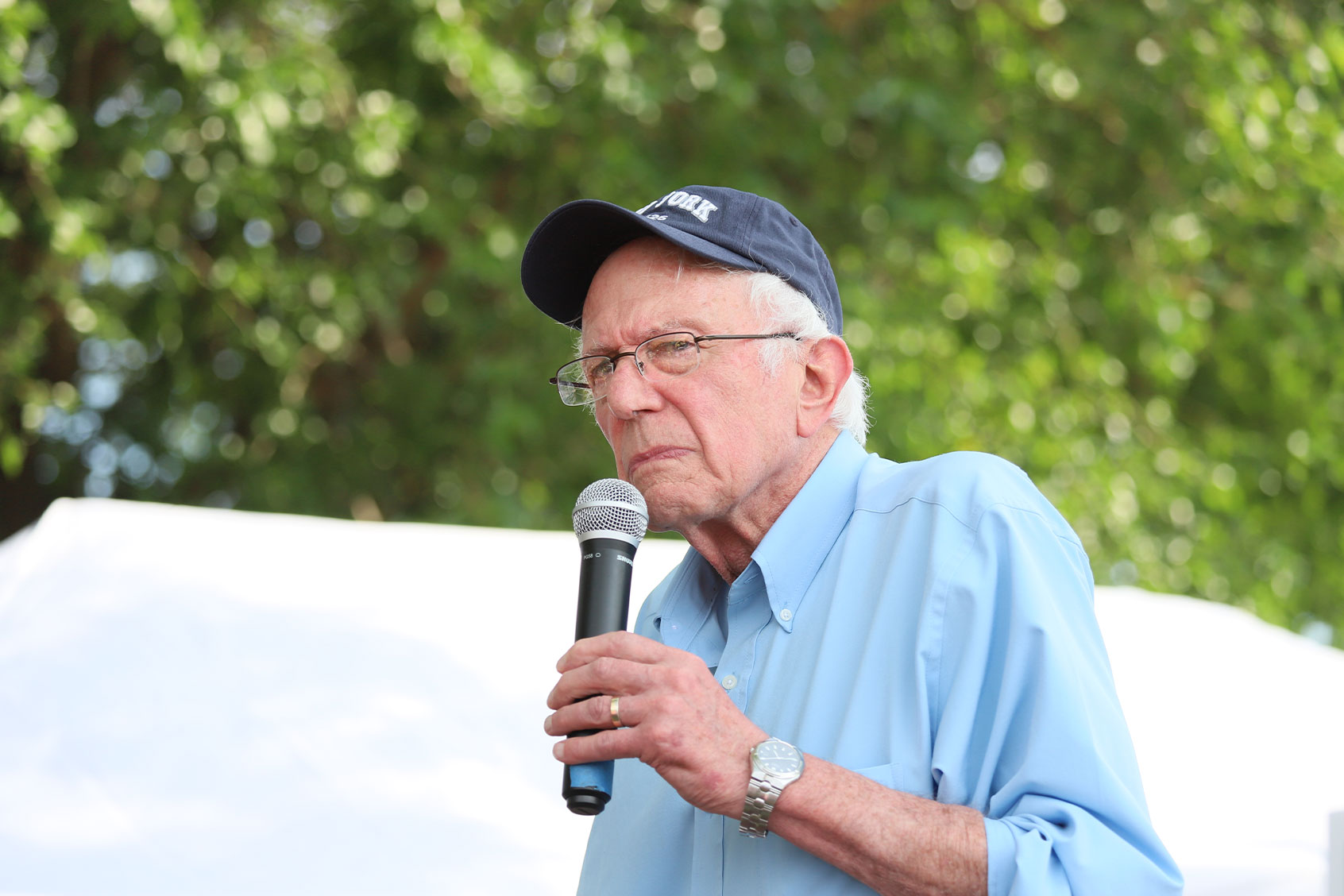
 Salon
Salon"Excellent candidate": Sanders defends Maine Senate candidate amid Nazi tattoo controversy
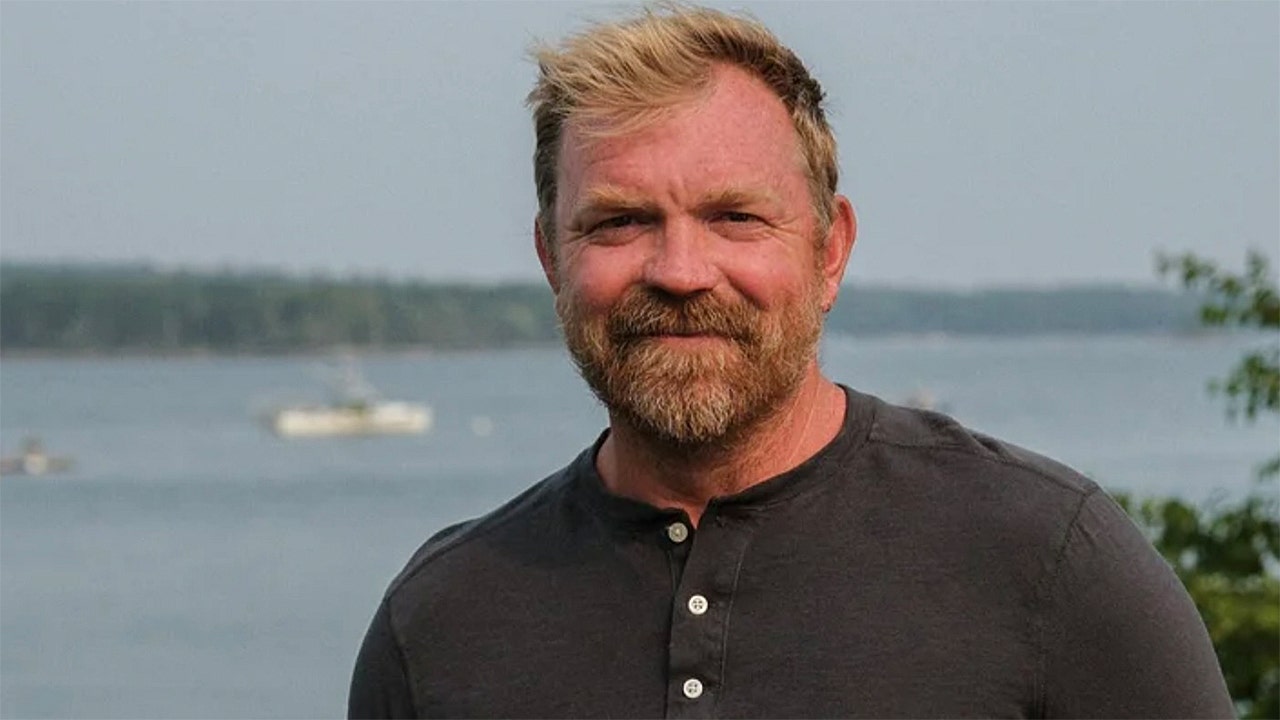
 FOX News
Maine Democratic Senate candidate insists he's 'not a secret Nazi' after controversial tattoo reveal
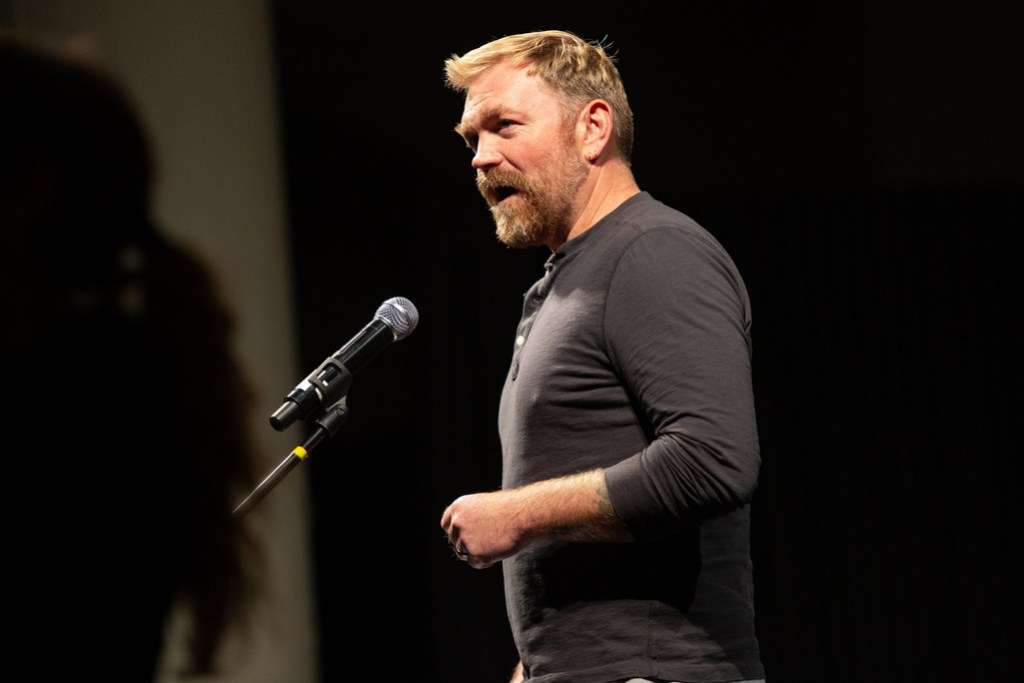
 Washington Examiner
Platner denies he's 'secret Nazi' after SS skull tattoo revealed
Overview
Maine Senate candidate Graham Platner faces controversy over a prominent Totenkopf tattoo, a Nazi-linked symbol associated with Hitler's SS and war crimes, revealed in a recent video.
Platner, a veteran and oyster farmer, claims he unknowingly bore the Nazi-linked symbol for years, now attempting to preempt criticism from political opponents.
Despite the controversy surrounding the tattoo, Bernie Sanders has publicly endorsed Platner in the competitive Democratic primary race for the Senate.
Platner is challenging Republican incumbent Susan Collins and Mills in the upcoming primary election, where the tattoo issue has become a significant point of contention.
The Totenkopf symbol's historical connection to concentration camps and atrocities raises serious questions about Platner's judgment and its potential impact on his campaign.
Analysis
Center-leaning sources frame this story by consistently linking Platner's controversies to a broader trend of Democratic candidates "shrugging off dark revelations," explicitly comparing his approach to Donald Trump's political playbook. They emphasize the severity of the tattoo's symbolism through the ADL's assessment and undermine Platner's defense with a former staffer's critique, creating a narrative of a candidate adopting a controversial strategy to weather scandals.