Peru Declares State of Emergency in Lima and Callao Amid Rising Crime and Protests
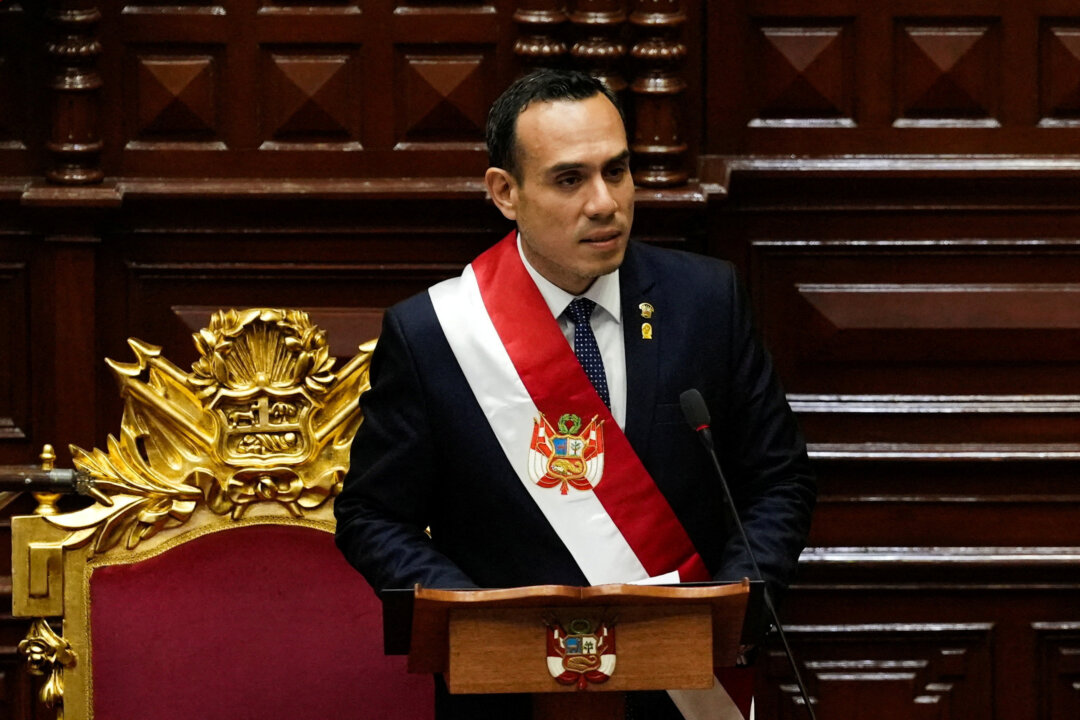
Peru's President José Jerí declared a state of emergency in Lima and Callao to combat escalating crime and quell anti-government protests, suspending constitutional rights and implementing strict new measures.

 ABC News
Military and police patrol streets of Peru’s capital as state of emergency begins
 World News Group
Peruvian president declares emergency amid crime, protests
 Epoch Times
Peru Declares 30-day State of Emergency in Lima to Tackle Rising Crime
 Newsmax
Military and Police Patrol Streets of Peru's Capital as State of Emergency Begins
Overview
President José Jerí declared a state of emergency in Lima and Callao to address escalating crime and ongoing anti-government protests, suspending constitutional rights.
Peru is experiencing a significant rise in crime, including homicides and extortion, impacting the working class, with government data showing increases from 2017 to 2024.
The emergency decree suspends constitutional rights, bans activities like two adults on a motorcycle, and restricts freedom of assembly and protest in the affected areas.
Jerí became president on October 10 after Dina Boluarte was impeached by Congress for failing to curb the country's rising crime rates and address public safety concerns.
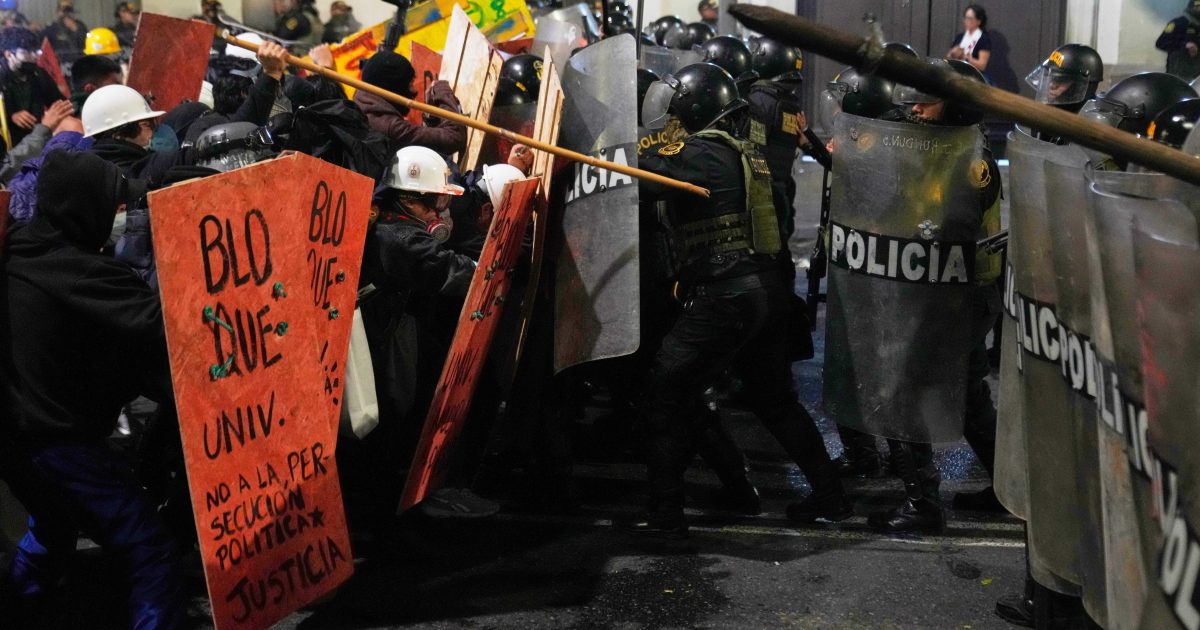
Violent anti-government demonstrations demanding Jerí's resignation led to one civilian death and injuries to over 100 people, including police officers and journalists.
Analysis
Center-leaning sources neutrally cover Peru's state of emergency, detailing its provisions and President Jerí's rationale. They include public skepticism, historical context of similar ineffective measures, and rising crime statistics. The reporting presents various facets of the situation, including protest violence, through factual language and balanced information, avoiding overt editorial judgment or loaded terms.