Washington D.C. Man Sues Over Constitutional Rights After Detention for Playing 'Imperial March' Near National Guard
A D.C. man sues police and National Guard for constitutional rights violations, alleging false arrest and free speech infringement after detention for playing "The Imperial March."
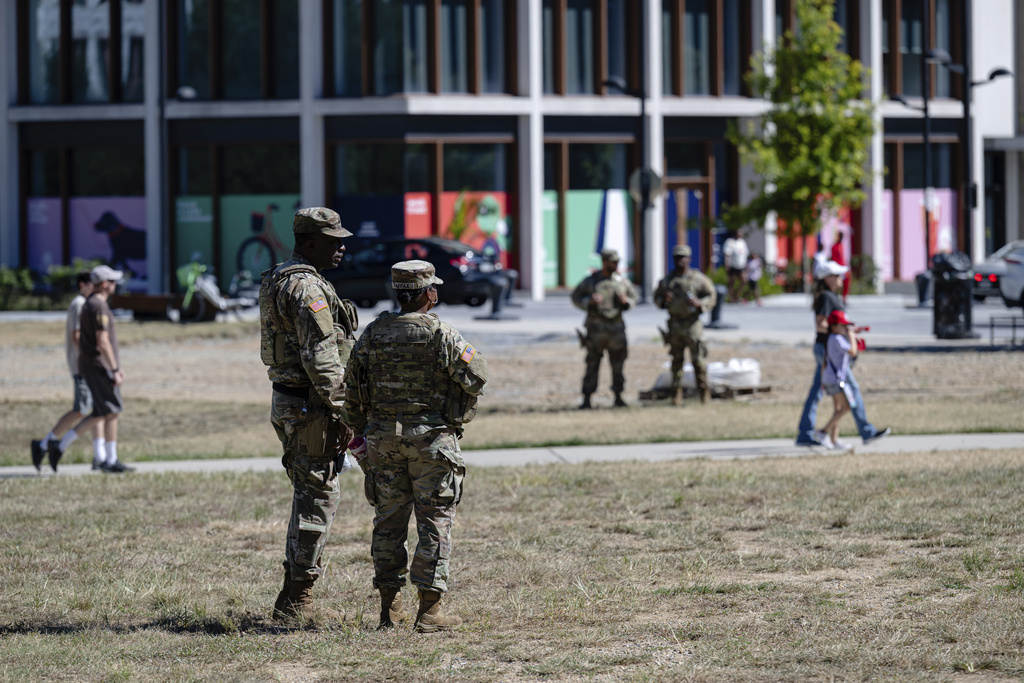
 Washington Examiner
Man arrested after playing Darth Vader theme behind troops, ACLU sues
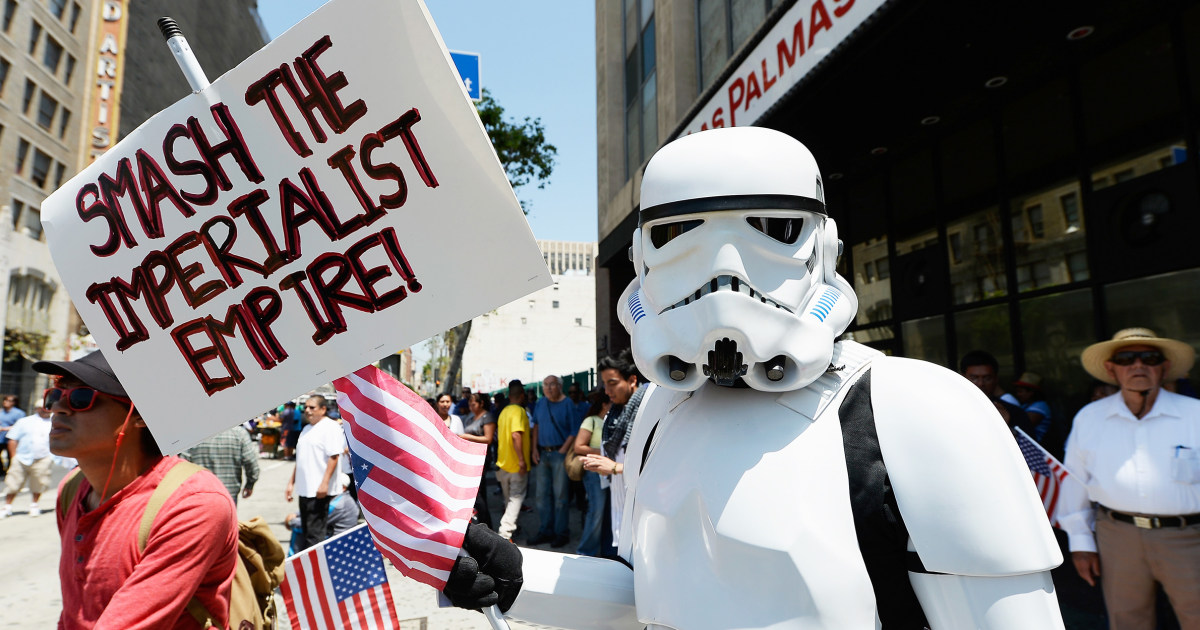
 MSNBC
MSNBCD.C. man sues after arrest for playing ‘Star Wars’ music to protest National Guard troops
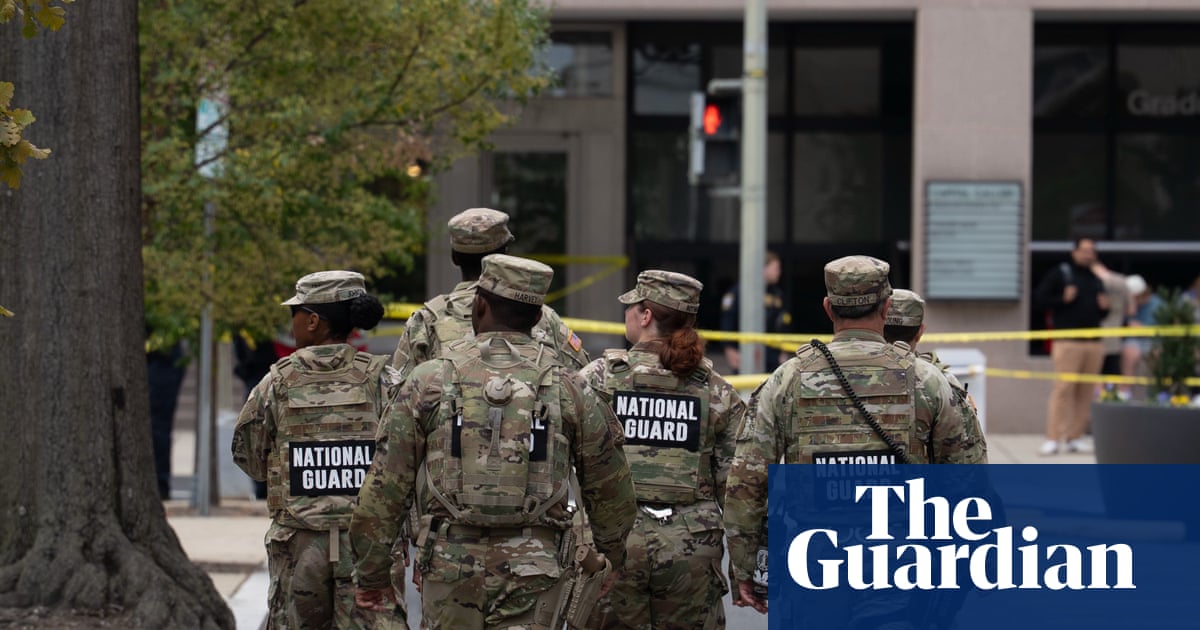
 The Guardian
DC man who played Darth Vader theme at national guard troops sues over arrest
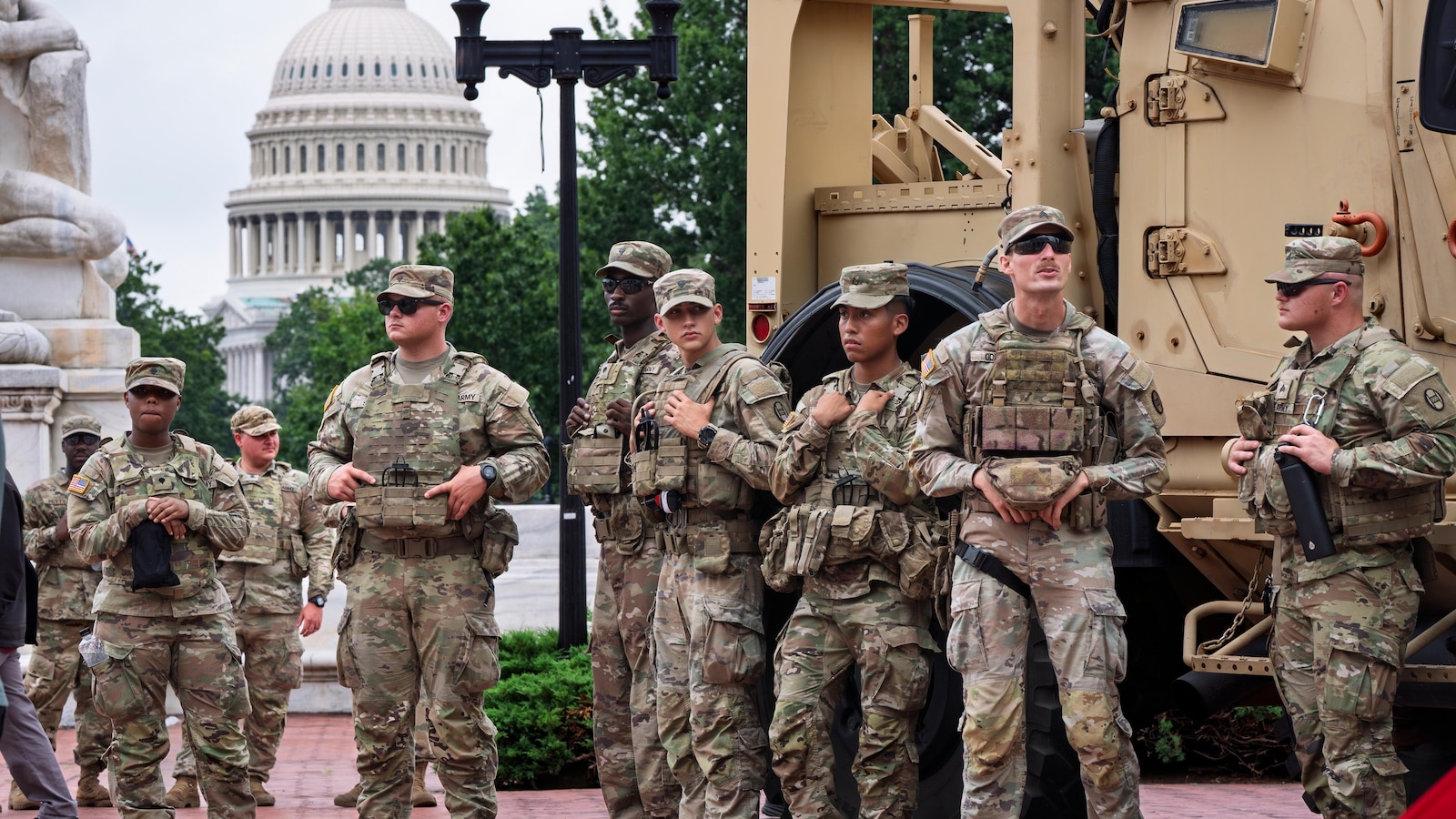
 ABC News
DC police detained man for protesting National Guard patrol with Darth Vader song, lawsuit says
Overview
A Washington D.C. man, O'Hara, is suing for alleged constitutional rights violations after being detained by police and National Guard members on September 11.
O'Hara claims false arrest and imprisonment for 15-20 minutes without charges, detained after playing "The Imperial March" from Star Wars while following Ohio Guard members.
The lawsuit alleges violations of his First and Fourth Amendment rights, including infringement of free speech and unreasonable seizure, seeking unspecified damages.
The incident occurred amidst heightened D.C. tensions, following President Trump's August executive order declaring a crime emergency and deploying National Guard and federal agents.
Judge Timothy Kelly, a Trump appointee, will preside over O'Hara's case, which arises amid broader legal challenges against President Trump's increased law enforcement presence.
Analysis
Center-leaning sources frame this story by portraying the authorities as overreaching and infringing on First Amendment rights. They use evocative language like "stormtrooper-like behavior" and "the Empire decided to strike back" to align police and National Guard with oppressive forces. The narrative emphasizes O'Hara's peaceful protest and the legal arguments supporting his lawsuit, while omitting alternative perspectives from law enforcement.