Former Vice President Dick Cheney, Influential Architect of Modern Republicanism and War on Terror, Dies at 84
Former Vice President Dick Cheney, a pivotal and controversial figure in U.S. politics, died at 84. He shaped foreign policy and transformed the vice presidency.


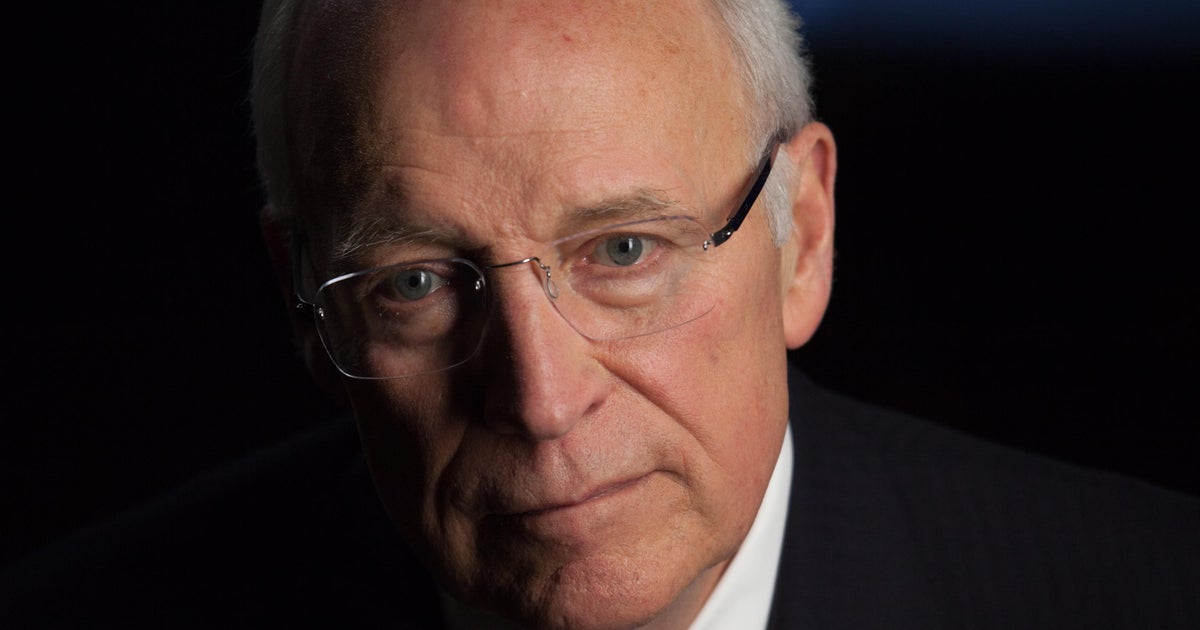

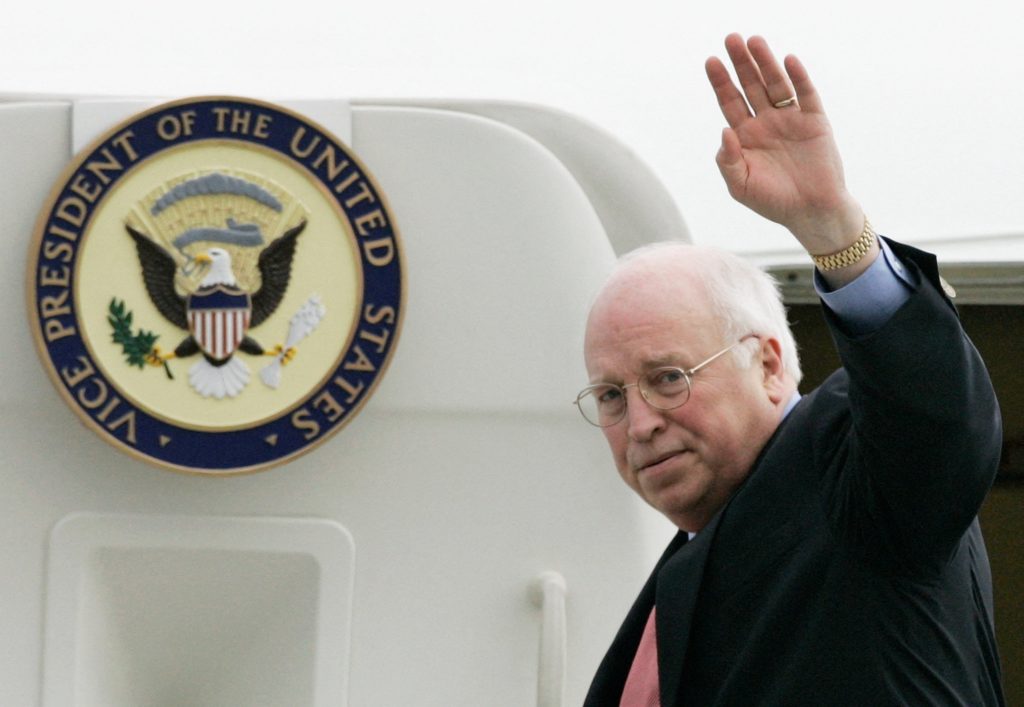

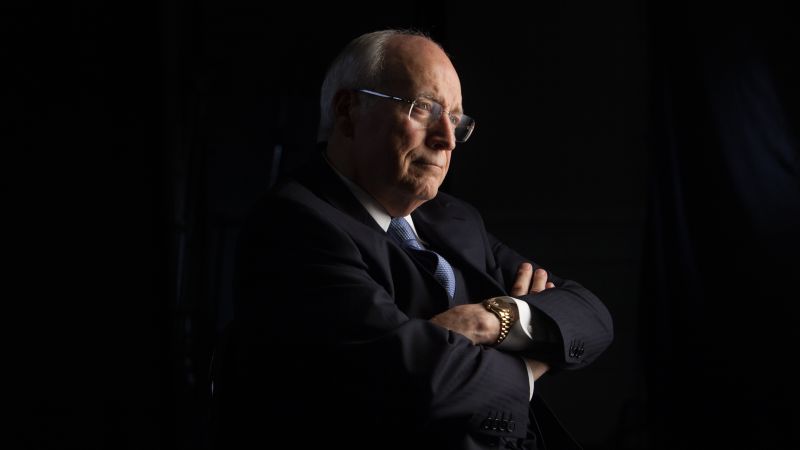

Overview
Former Vice President Dick Cheney, a central figure in U.S. politics, passed away at 84 from complications of pneumonia and cardiac and vascular disease, surrounded by his family.
Cheney served as Vice President under President George W. Bush from 2001 to 2009, becoming a powerful and controversial figure, significantly influencing the "War on Terror" and the Iraq invasion.
His extensive career included roles as Defense Secretary under President George H. W. Bush, White House Chief of Staff for President Gerald Ford, and a six-term Congressman from Wyoming.
Cheney battled cardiovascular disease throughout his life, enduring multiple heart attacks and receiving a life-extending heart transplant in 2012, allowing him to remain politically active.
A staunch conservative, Cheney notably broke with the GOP to criticize President Donald Trump, supporting his daughter Liz Cheney's opposition to Trump's 2020 election efforts.
Analysis
Center-leaning sources frame this story by emphasizing Dick Cheney's unwavering role in the Iraq War and the "war on terror," highlighting the controversial aspects and negative consequences. They use strong evaluative language to describe the war's destabilizing impact and his defense of "harsh interrogation techniques," collectively shaping a narrative focused on the contentious elements of his legacy.