Federal Judge Orders DOJ to Release Evidence in Comey Perjury Case
Former FBI Director Comey faces charges of lying to Congress about media leaks, stemming from Trump's pressure. A federal judge has now ordered the DOJ to provide crucial evidence to Comey's defense team.
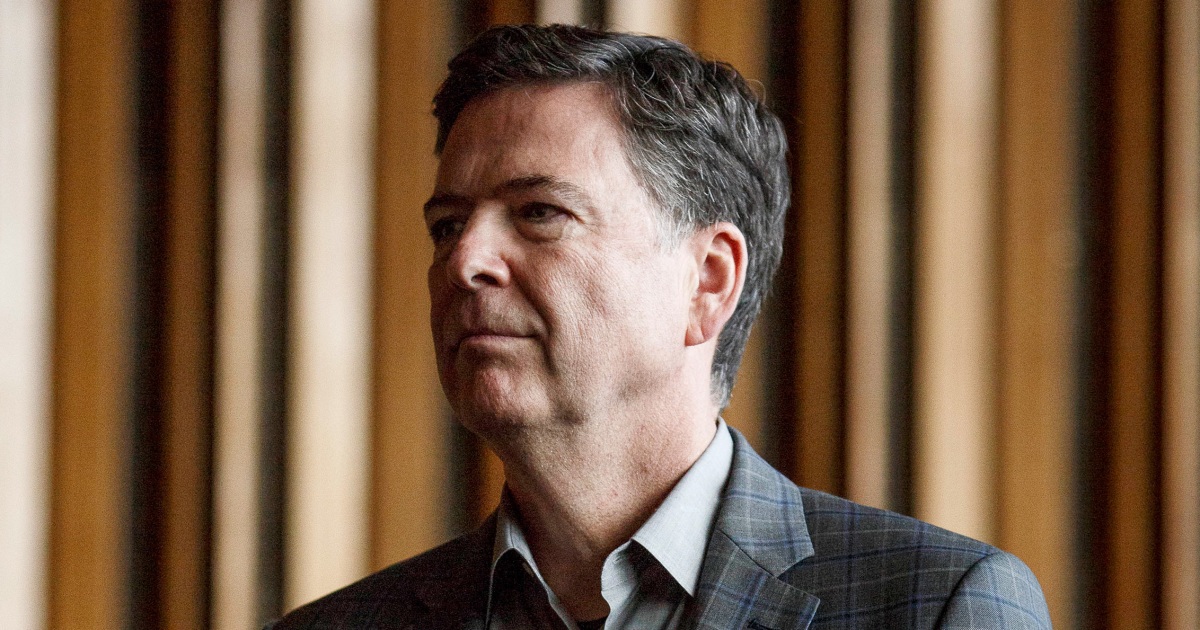
 NBC News
Judge accuses prosecutors in James Comey case of taking an 'indict first, investigate later' approach
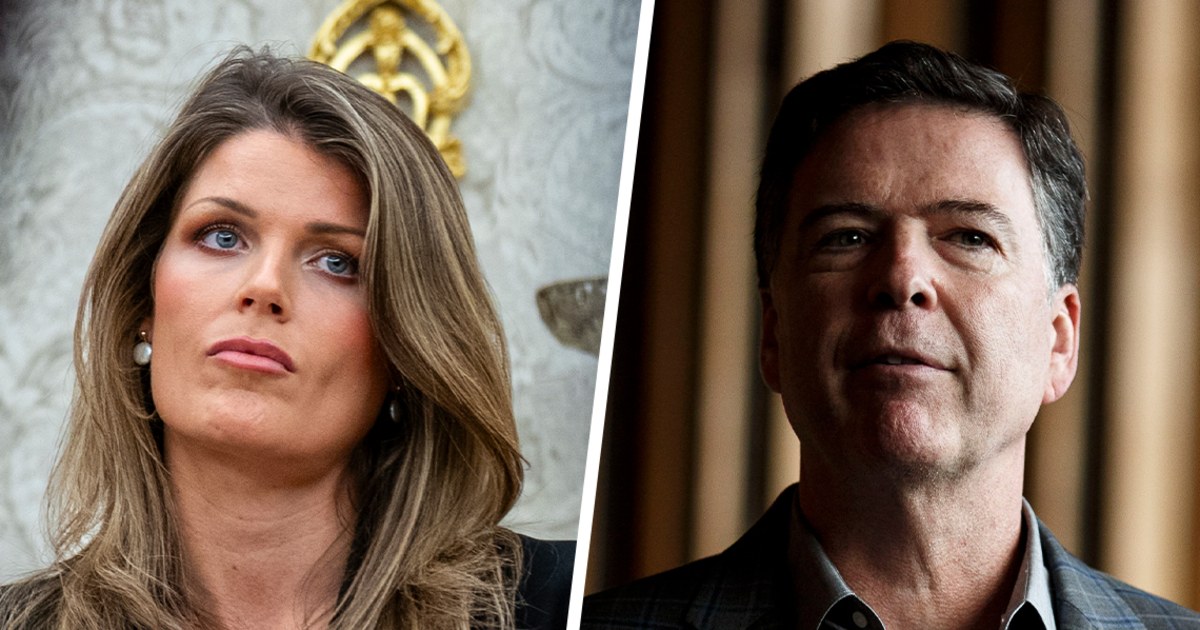
 MSNBC
MSNBCHalligan keeps stumbling early in her attempt to prosecute Comey on Trump’s behalf
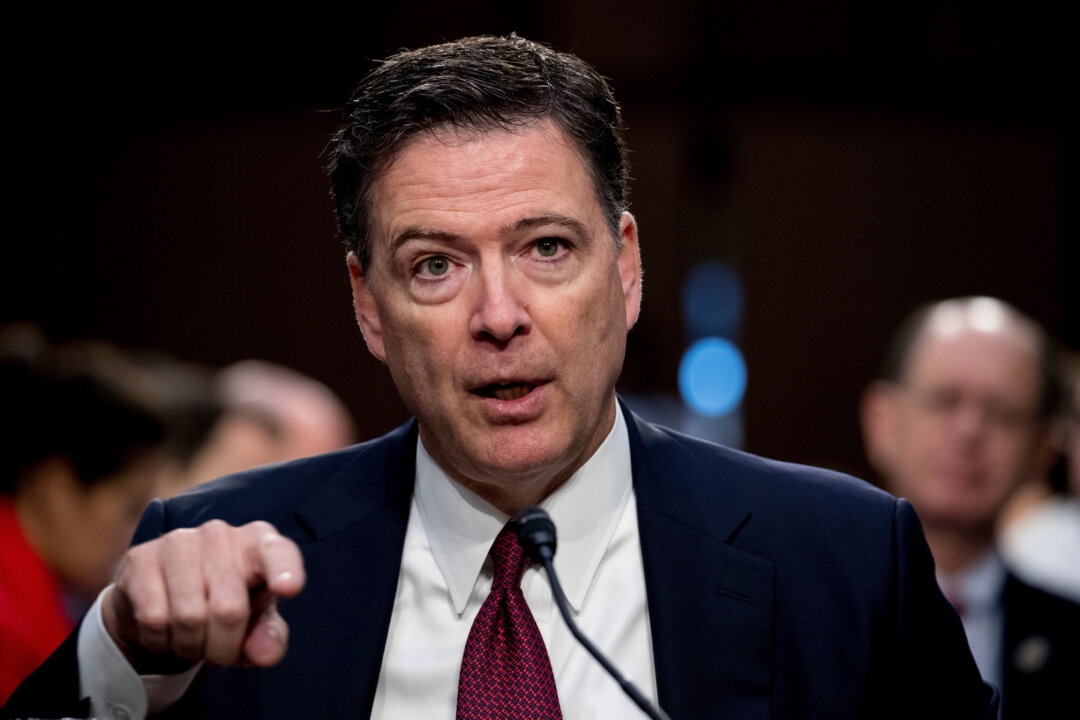
 Epoch Times
Judge Orders Prosecutors to Turn Over Evidence Against James Comey
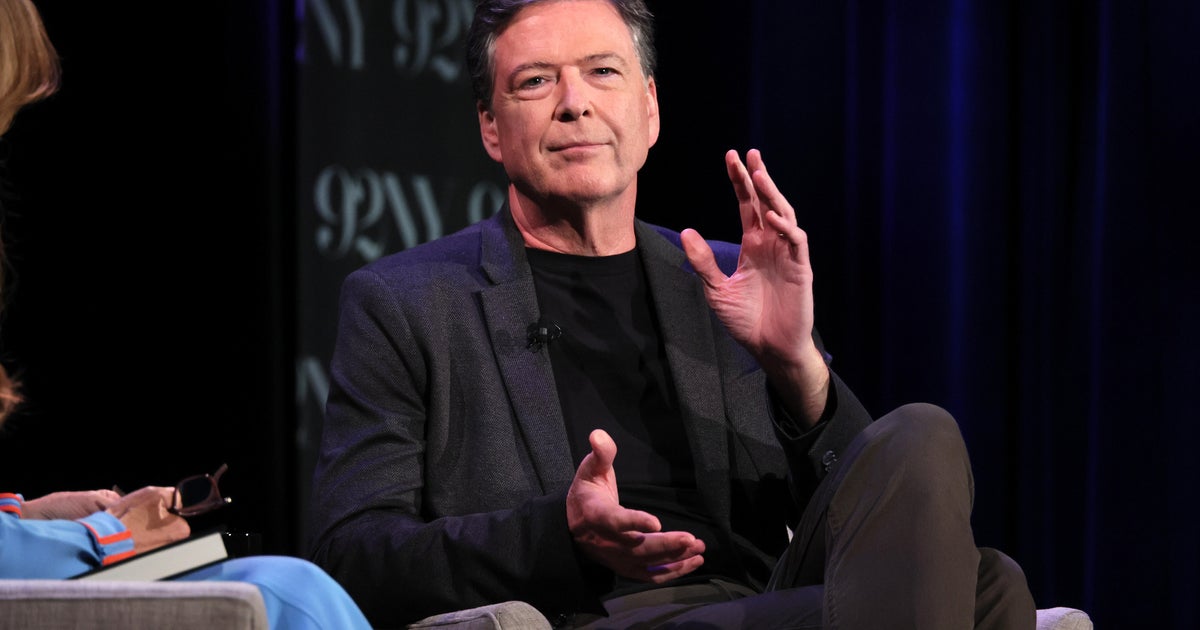
 CBS News
Judge in Comey case admonishes Justice Department for "indict first, investigate second" posture
Overview
Former FBI Director James Comey was charged in 2020 with lying to Congress, specifically denying he authorized his friend Daniel Richman to leak FBI information, following President Trump's calls for prosecution.
Comey has pleaded not guilty to charges of false statements and obstruction related to his past Senate testimony concerning media leaks, asserting his innocence against the federal allegations.
Federal Judge Fitzpatrick ordered the Department of Justice to provide Comey's legal team with all grand jury materials and evidence, including items seized from Daniel Richman, by Thursday.
Comey's attorneys claim they were disadvantaged by prosecutors withholding access to years-old evidence from an FBI media leaks investigation, leading to the judge's mandate for disclosure.
The prosecution's origins are scrutinized, as an interim U.S. attorney was appointed after his predecessor reportedly resigned under pressure to indict Comey, suggesting political influence.
Analysis
Center-leaning sources frame this story by emphasizing the federal judge's strong admonishment of the Justice Department's "highly unusual" handling of the James Comey case. They highlight concerns about the "indict first, investigate second" posture and the defense's lack of access to evidence, suggesting potential constitutional violations. The narrative underscores the procedural irregularities and political context, portraying the prosecution as problematic.