Historic Government Shutdown Deepens Amidst Political Deadlock and Filibuster Debate
The U.S. government shutdown, now the longest in history at 36 days, continues to impact millions of Americans and federal workers amidst a political deadlock over funding and the Senate filibuster.
 MSNBC
MSNBCDemocrats won big on election night. Now they're wondering if they can win the shutdown.

 Western Journal
Trump Snapped at Lindsay Graham During Closed-Door Meeting with Senate Republicans: Report

 Daily Caller
John Thune Is Defying Trump. Here's His Explanation.

 TIME Magazine
The Government Shutdowns That Lasted Just One Day
Overview
The U.S. government shutdown has reached an unprecedented 36-day length, making it the longest in history and severely affecting millions of Americans with program cuts and unpaid federal workers.
A political deadlock persists in the Senate, where Democrats consistently oppose House-passed funding resolutions, while Republicans' 53-47 majority is insufficient to overcome the 60-vote filibuster requirement.
President Trump has urged Senate Republicans to eliminate the filibuster, which would enable them to unilaterally reopen the government with a simple majority vote, bypassing Democratic opposition.
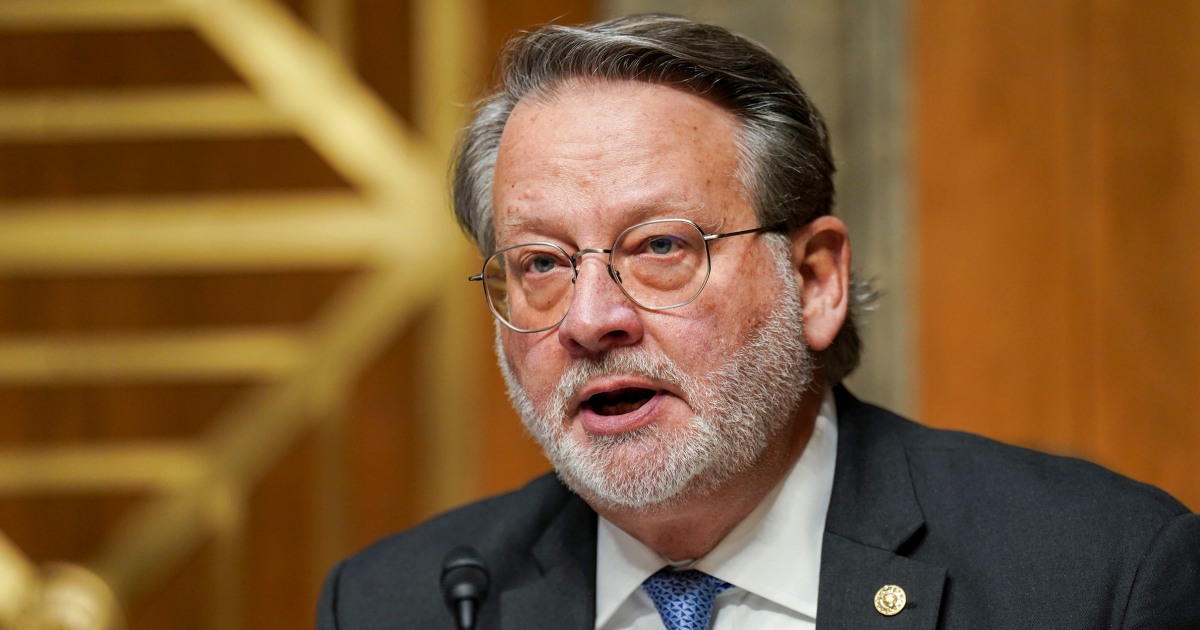
Moderate Senate Democrats, including Senators Jeanne Shaheen, Gary Peters, and Maggie Hassan, are actively promoting a bipartisan deal to restore normal government funding and address expiring Affordable Care Act subsidies.
The ongoing standoff, marked by a lack of further negotiations after House Speaker Mike Johnson sent lawmakers home, highlights a deep partisan divide, with Democrats using Trump's unease as leverage.
Analysis
Center-leaning sources cover this story neutrally, focusing on reporting the facts of the government shutdown, its record-breaking length, and its widespread impact. They present the differing positions of key political figures and parties, detailing the ongoing negotiations and obstacles without taking a side. The coverage emphasizes the consequences for federal workers and services, providing a balanced overview of the stalemate.