Senate Republicans Block Congressional Oversight on Trump's Venezuela and Caribbean Military Actions
Senate Republicans blocked legislation requiring congressional approval for military action against Venezuela and U.S. anti-drug strikes, despite bipartisan calls for oversight of Trump's intensified Caribbean operations.
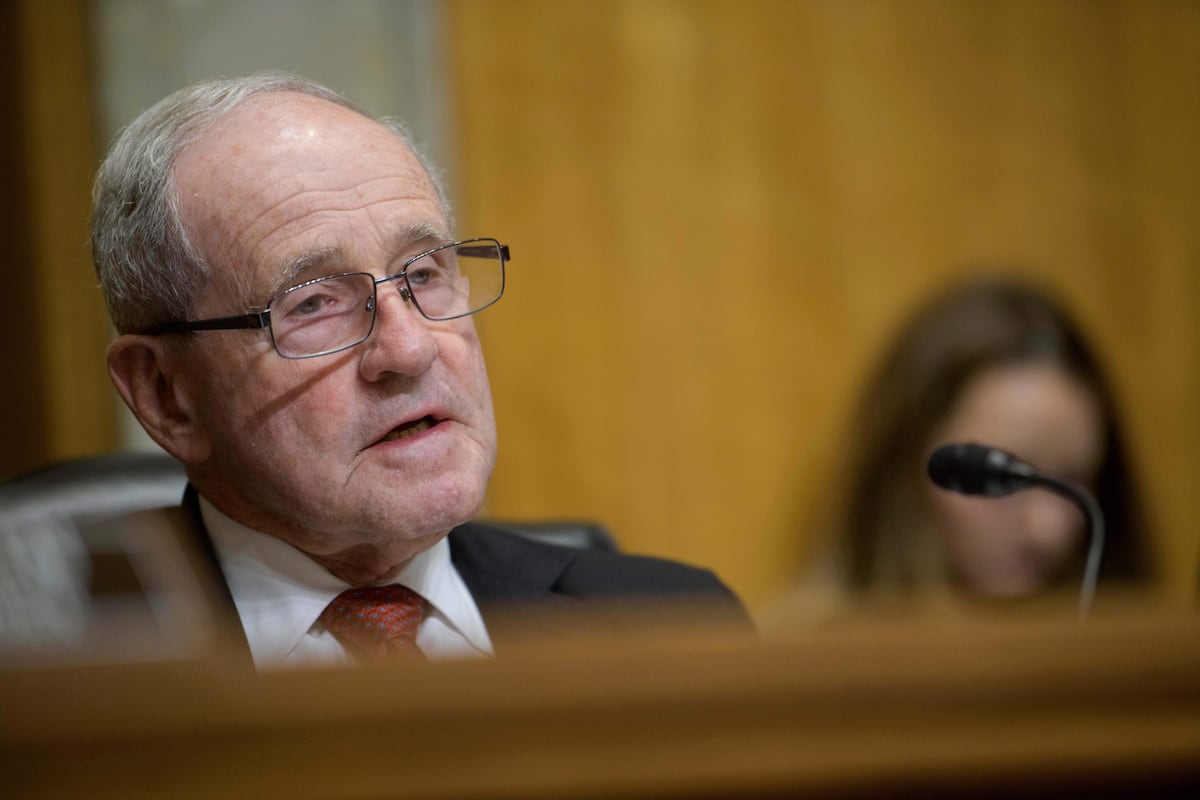
 Military Times
Senate votes down measure to limit Trump’s ability to strike Venezuela

 NBC News
Senate rejects bipartisan resolution that would block Trump military action against Venezuela

 RedState
Senate War Powers Resolution Vote Fails to Move the Bill Out of Committee...Again
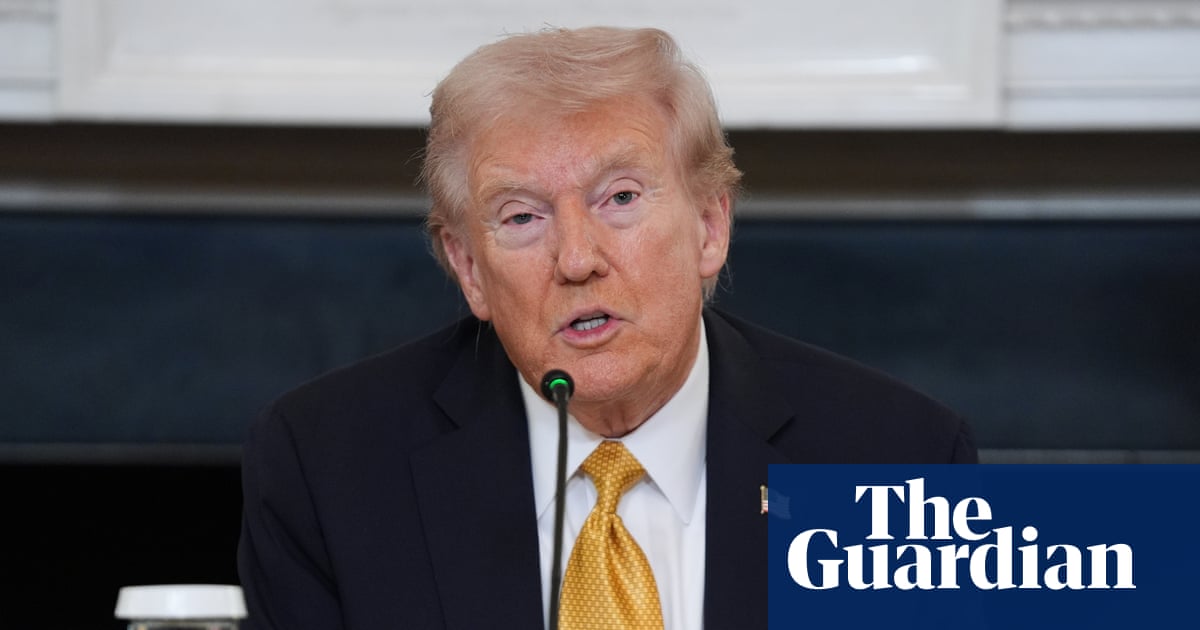
 The Guardian
Senate blocks Democrats’ bid to check Trump power over Venezuela strikes
Overview
Senate Republicans blocked a resolution requiring congressional approval for U.S. military action against Venezuela and strikes on alleged drug-carrying boats, despite efforts by Democrats and some Republicans to gain more oversight.
The Trump administration has intensified anti-drug operations in the Caribbean and eastern Pacific, deploying a large naval force and conducting 16 strikes on vessels, resulting in 66-67 deaths since September 2.
Lawmakers from both parties expressed frustration and demanded more information from the Trump administration regarding the intelligence and legal rationale behind these military actions and shifts in overseas priorities.
Secretary of State Marco Rubio and Defense Secretary Pete Hegseth briefed congressional leaders on the Caribbean campaign strikes, but did not confirm plans for a direct attack on Venezuela, despite Trump authorizing CIA covert operations.
The bipartisan resolution, championed by Sen. Tim Kaine, failed to advance in the Senate with a narrow 49-51 vote, highlighting ongoing legislative efforts to curb presidential authority on military engagements.
Analysis
Center-leaning sources cover this story neutrally, presenting a balanced account of the Senate vote and the broader debate surrounding the Trump administration's actions in Venezuela. They include diverse perspectives from both Republican and Democratic lawmakers, highlighting internal dissent within the GOP while reporting on the administration's outreach efforts. The reporting focuses on factual developments and attributed viewpoints without employing loaded language.