Supreme Court Allows Trump Administration to Enforce Biological Sex Passport Policy
The Supreme Court permitted the Trump administration to enforce a policy requiring U.S. passports to reflect biological sex, reversing a Biden-era rule allowing an "X" gender option, impacting transgender and nonbinary individuals.
 Townhall
SCOTUS Revives Trump's Transgender Passport Rule
 Salon
SalonSupreme Court revives Trump admin ban on transgender, nonbinary passport identification
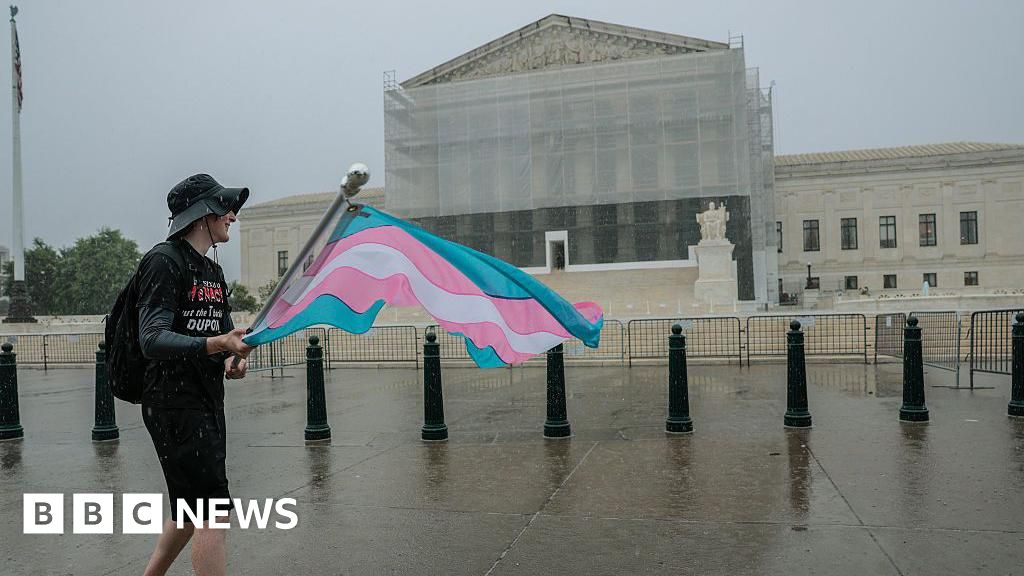
 BBC News
US Supreme Court lets Trump administration require gender at birth be listed on passports
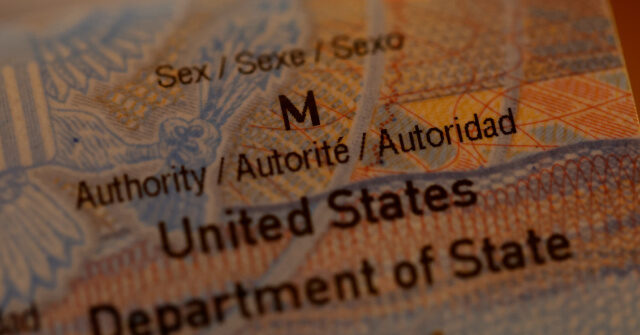
 Breitbart News
SCOTUS Allows Trump to Enforce Requiring Biological Sex on Passports
Overview
The Supreme Court, in a 6-3 decision, temporarily allowed the Trump administration to enforce its policy requiring U.S. passports to reflect biological sex, freezing a lower court's order.
This decision reverses the Biden administration's 2021 policy, which had allowed nonbinary and intersex individuals to self-select an "X" gender marker on official documents.
Seven transgender and nonbinary individuals challenged the policy, alleging it violates their Fifth Amendment rights and federal law, citing fear and discrimination.
The conservative-majority court cited the executive branch's authority in foreign affairs, emphasizing that enforcing passport policies is crucial for government control in this domain.
Justices Ketanji Brown Jackson, Sonia Sotomayor, and Elena Kagan, the court's liberal members, consistently dissented from the unsigned order, opposing the policy's enforcement.
Analysis
Center-leaning sources provide neutral coverage of the Supreme Court's decision on Trump's passport policy. They present factual details of the ruling, offer historical context, and include arguments from both proponents and opponents of the policy without editorializing. This balanced approach allows readers to understand the multifaceted legal and social implications.