Federal Immigration Crackdown Intensifies in Charlotte Amid Trump Administration's Broader Enforcement Push
Federal immigration agents conducted nearly 100 arrests in Charlotte, North Carolina, as part of the Trump administration's enforcement operations targeting Democratic-led cities, sparking protests and community fear.

 The Blaze
'Climbing into the ceiling tiles': DHS immigration raids hit Charlotte, where 1 in 6 residents are foreign-born
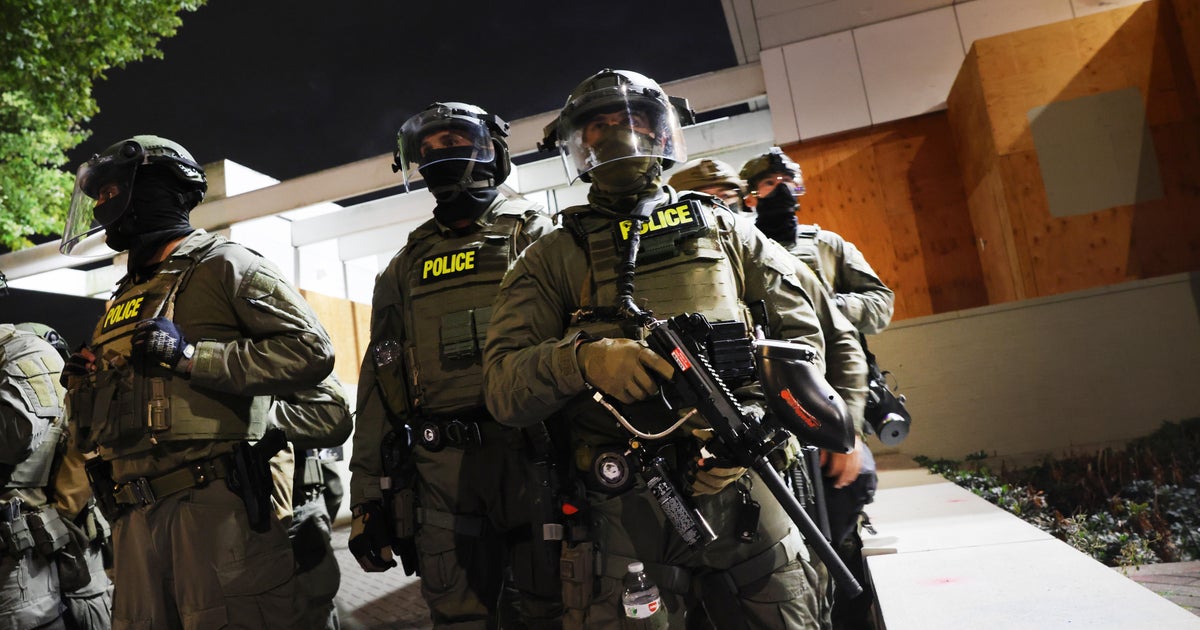
 CBS News
Federal immigration agents launch crackdown in Charlotte, DHS announces

 ABC News
Border Patrol commander touts North Carolina arrests leaving residents 'overwhelmed'
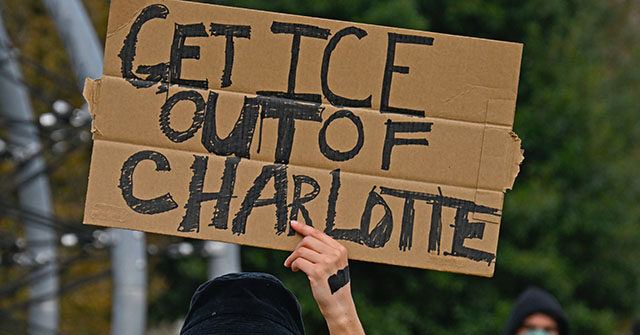
 Breitbart News
DHS Brings Immigration Enforcement Surge to Charlotte, North Carolina
Overview
Federal immigration agents conducted nearly 100 arrests in Charlotte, North Carolina, over the weekend, targeting churches, apartment complexes, and stores as part of President Trump's broader enforcement operations.
The Trump administration justifies the crackdown by citing North Carolina's "sanctuary policies" and linking it to combating crime, despite local data showing a significant decline in Charlotte's crime rates.
Charlotte, a diverse Democratic city, experienced protests and community fear, with local police clarifying they do not assist federal immigration enforcement, while some U.S. citizens reported being detained.
Agents reportedly used forceful tactics, including breaking car windows, leading to detentions of individuals, some of whom proved U.S. citizenship, and causing widespread apprehension among the Latino community.
This Charlotte operation is part of the Trump administration's strategy to deploy federal agents to Democratic-led cities with large immigrant populations, drawing parallels to previous controversial actions in Chicago and Los Angeles.
Analysis
Center-leaning sources cover this story neutrally by presenting a balanced account of the DHS operation in Charlotte and the varied reactions from local officials and community members. They meticulously attribute strong, evaluative language to the respective sources, such as DHS and city statements, rather than incorporating it into their own reporting. This approach ensures a comprehensive overview without editorial bias.