Federal Court Blocks Texas Congressional Map Over Racial Gerrymandering, Intensifying National Redistricting Battle
A federal court blocked Texas's new congressional map, citing likely unconstitutional racial gerrymandering. This forces a return to the 2021 map, intensifying a national redistricting battle.



Overview
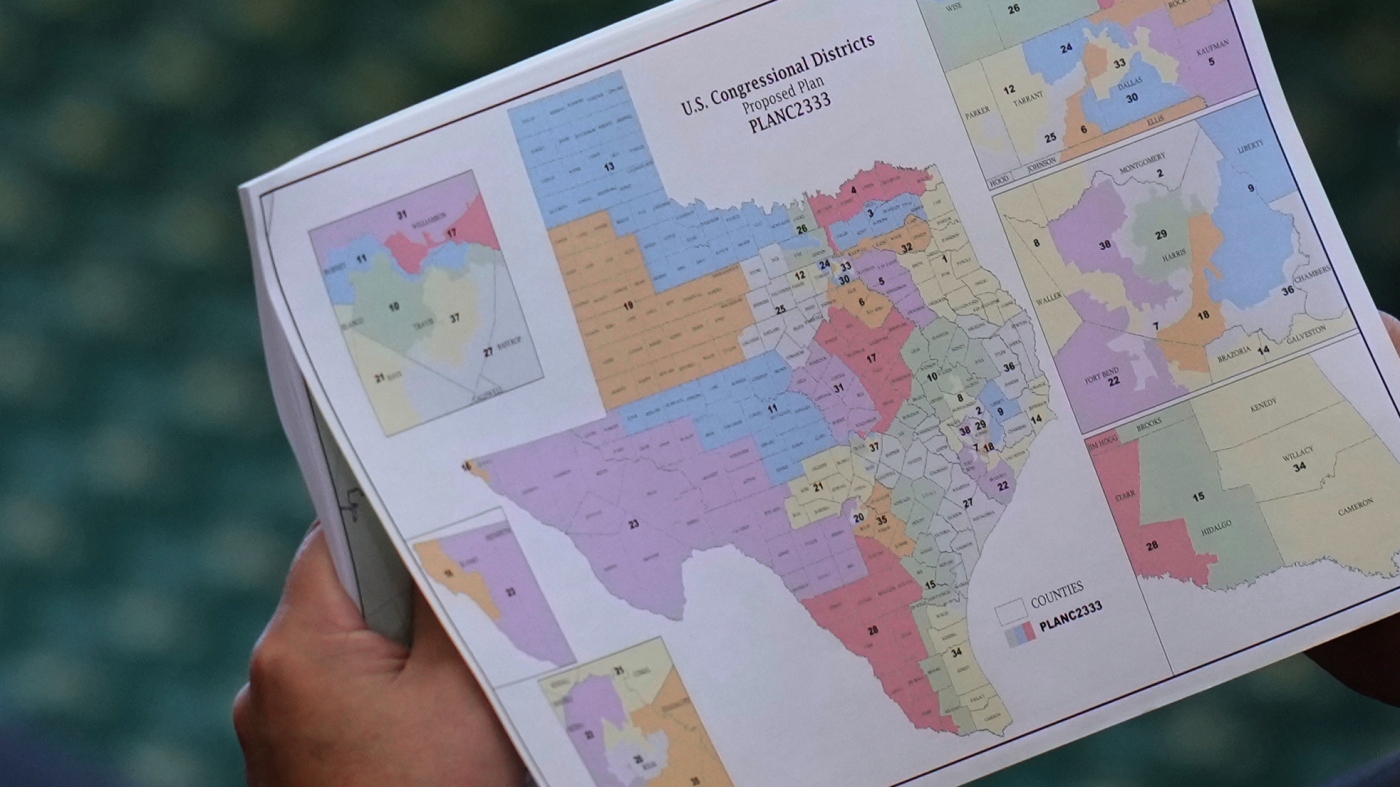
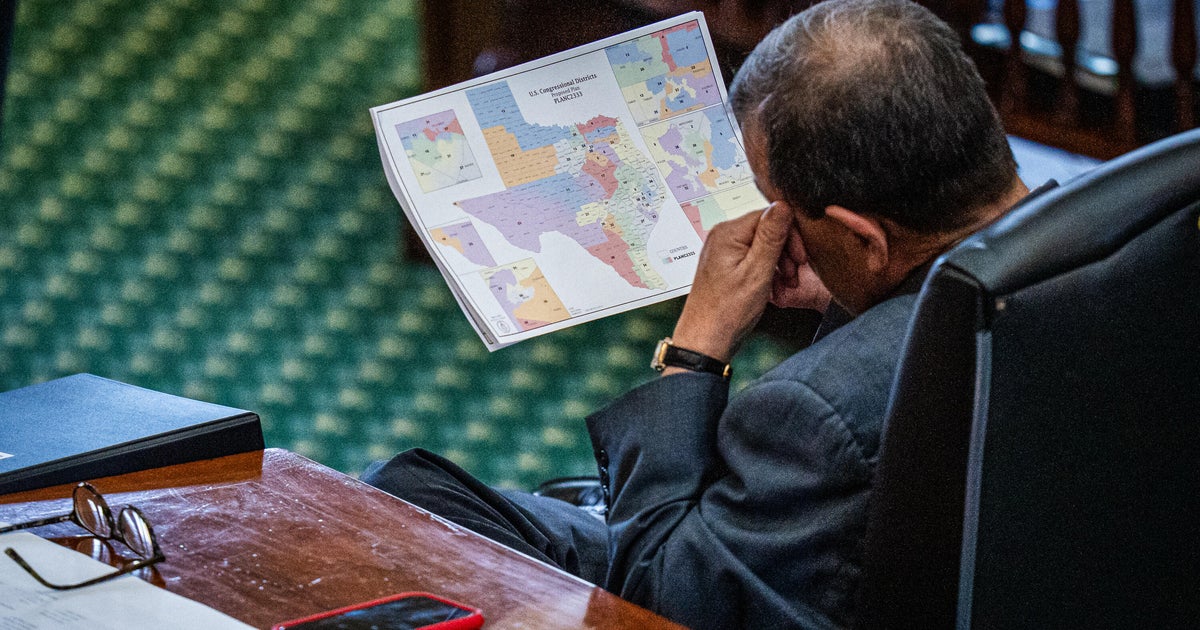
A federal court in El Paso, Texas, recently blocked the state's new congressional map, approved in August, for the upcoming 2026 midterms, citing likely unconstitutional racial gerrymandering.
The court ruled the map diluted the influence of Black and Hispanic voters, violating the Voting Rights Act, and would have increased Republican control to 30 of 38 seats.
This 2-1 decision, authored by Judge Jeffrey Brown and joined by an Obama appointee, mandates Texas to revert to its 2021 congressional maps for upcoming elections.
Texas Republicans, led by Governor Abbott, are appealing the ruling to the U.S. Supreme Court, aiming to defend their map designed to secure five additional House seats.
Texas's actions initiated a national redistricting battle, with states like California and Missouri also redrawing maps to gain partisan advantage ahead of crucial midterm elections.
Analysis
Center-leaning sources cover this story neutrally, presenting the court's decision to block Texas's congressional map and the subsequent reactions from both sides. They detail the legal arguments for and against the map, including claims of racial gerrymandering and counter-arguments of targeting Democrats. The coverage provides balanced perspectives from Republican and Democratic officials, focusing on factual reporting of the dispute and its implications.