England and Wales to Reduce Jury Trials Amidst Soaring Court Backlog
England and Wales will reduce jury trials for less serious crimes and empower magistrates to address a severe court backlog, which has doubled since the pandemic, aiming to expedite justice.
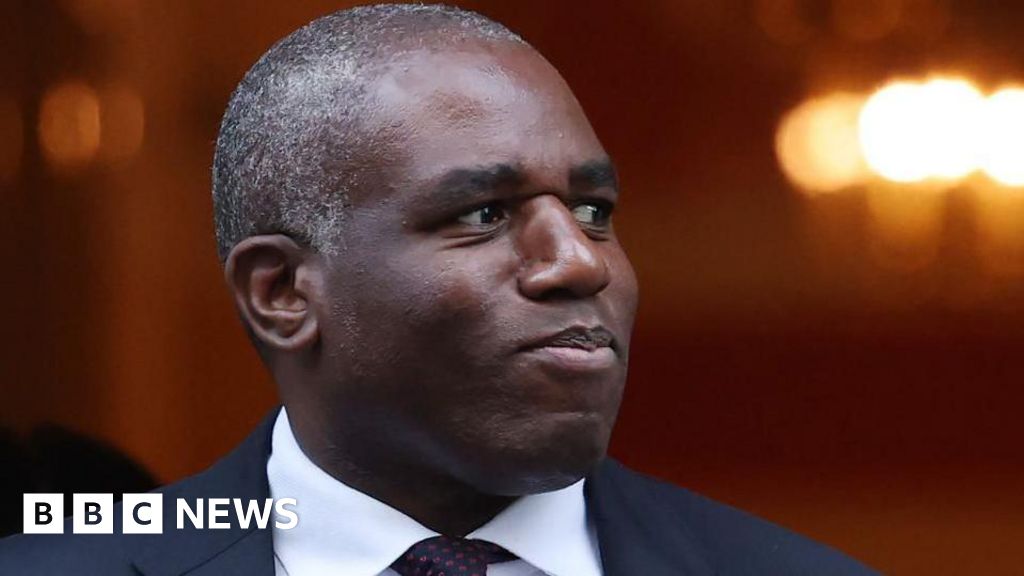
 BBC News
Jury trials scrapped for crimes with sentences of less than three years

 Al Jazeera
Why is the UK scaling back jury trials, and why is it controversial?

 ABC News
UK government plans to scrap some jury trials in an attempt to clear a court backlog
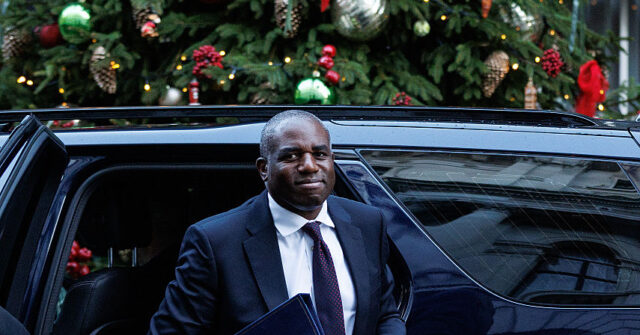
 Breitbart News
Death of Trial by Jury: UK Thinks It Must Destroy Village to Save Village
Overview
England and Wales' criminal courts face a severe backlog of nearly 80,000 cases, more than double pre-pandemic levels, largely due to COVID-19 delays and historical underinvestment in the justice system.
The government will reduce the right to trial by jury for certain offenses, with crimes carrying sentences up to three years now being tried by a judge alone, an increase from the previous two-year threshold.
Judges will also be able to preside over complex fraud and financial cases without a jury, further streamlining the judicial process for specific types of offenses to expedite case resolution.
Community magistrates will see their sentencing power increase from 12 to 18 months, enabling them to handle a greater volume of less serious criminal cases and alleviate pressure on higher courts.
These significant reforms are specifically applicable to the justice systems within England and Wales, while Scotland and Northern Ireland maintain their independent legal frameworks and are not affected.
Analysis
Center-leaning sources cover the UK government's plans to scrap some jury trials with a neutral and balanced approach. They present the government's rationale for the changes, such as clearing court backlogs and delivering swifter justice, alongside the concerns raised by legal groups regarding the erosion of fundamental rights. The reporting avoids loaded language and attributes opinions clearly.