Artists Protest Trump Administration's Unauthorized Music Use in Political and Immigration Enforcement Videos
Musicians like Sabrina Carpenter and Kenny Loggins are condemning the Trump administration's unauthorized use of their songs in political videos, including those depicting ICE arrests and AI-generated content, raising intellectual property concerns.
 Washington Examiner
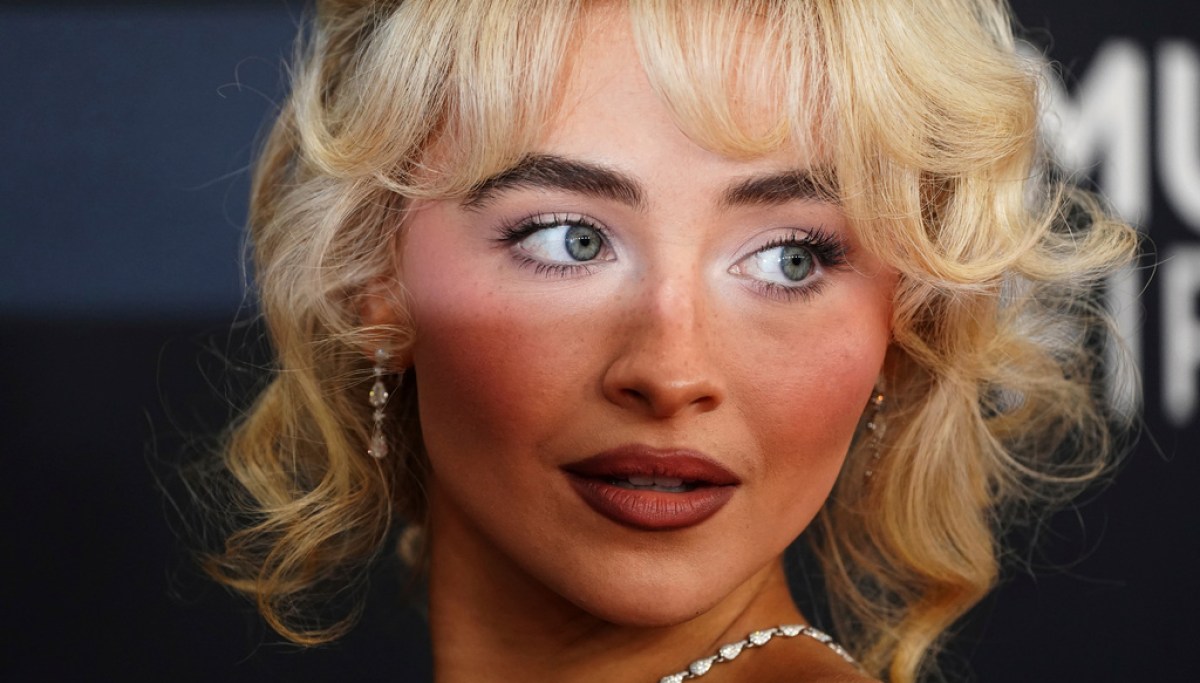
Sabrina Carpenter condemns use of her song in White House video

 Breitbart News
Pop Star Sabrina Carpenter Erupts After White House Uses Her Song in ICE Video: 'Evil and Disgusting'
 FOX News
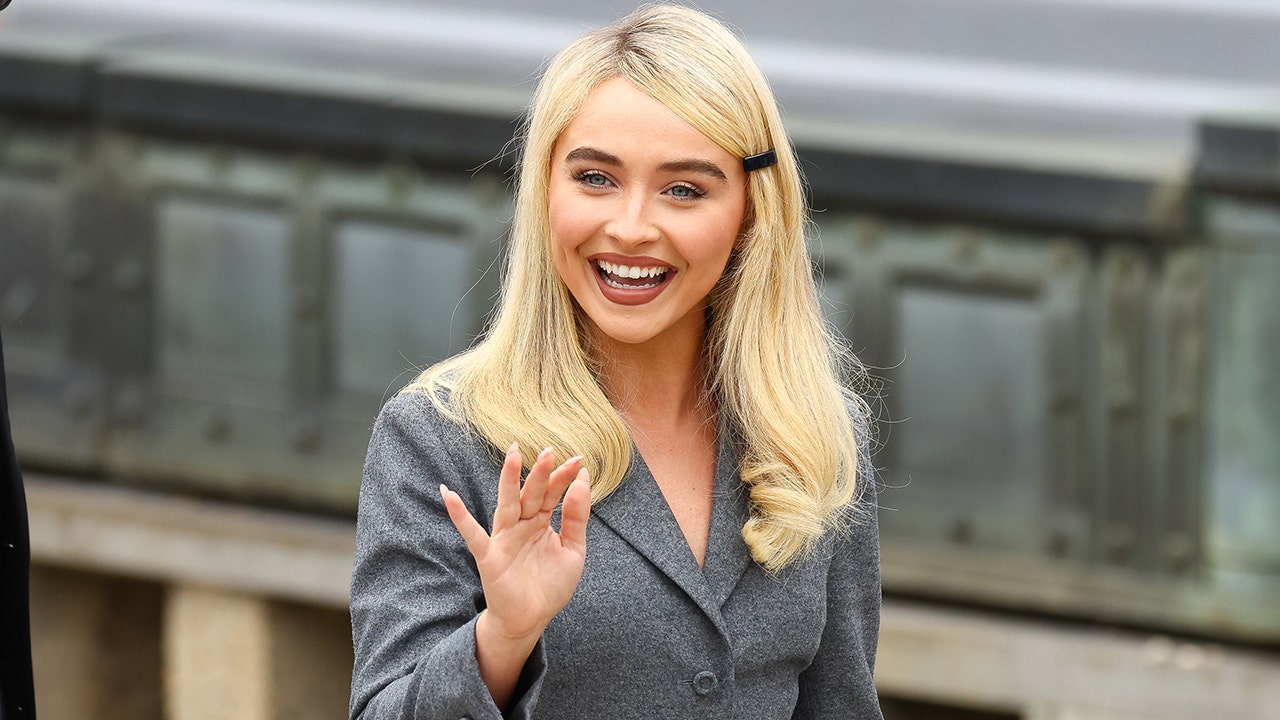
White House fires back after Sabrina Carpenter slams ICE video using her song

 Salon
Salon"Stupid or slow?": White House attacks Carpenter after she objects to ICE video using her music
Overview
Numerous Grammy-winning musicians, including Sabrina Carpenter, Kenny Loggins, Neil Young, and The Rolling Stones, are publicly objecting to the Trump administration's unauthorized use of their music in political videos.
Sabrina Carpenter specifically criticized the White House for using her song without permission in a video showcasing federal immigration officers conducting ICE arrests and detentions, demanding its immediate cessation.
The White House has been releasing videos with popular songs to highlight President Trump's fulfillment of campaign promises, including an aggressive campaign against illegal immigration since his second term began in January.
Kenny Loggins previously condemned the unauthorized use of his song "Danger Zone" in an AI-generated video depicting controversial political content, implying administration involvement and raising concerns about AI misuse.
These incidents underscore growing concerns among artists regarding the control of their intellectual property and the ethical implications of using their work for political messaging without consent, especially with widely accessible AI-generated media.
Analysis
Center-leaning sources cover this story neutrally, focusing on reporting the facts of Sabrina Carpenter's objection to the White House's use of her song. They present direct quotes from both Carpenter and the White House spokesperson, and provide factual context by listing similar past incidents involving other artists and the administration, without editorializing or using loaded language.