Supreme Court to Review Trump's Birthright Citizenship Order, Challenging 14th Amendment
The Supreme Court will review President Trump's order challenging birthright citizenship for children of non-citizen parents, directly confronting the 14th Amendment, potentially redefining U.S. citizenship.
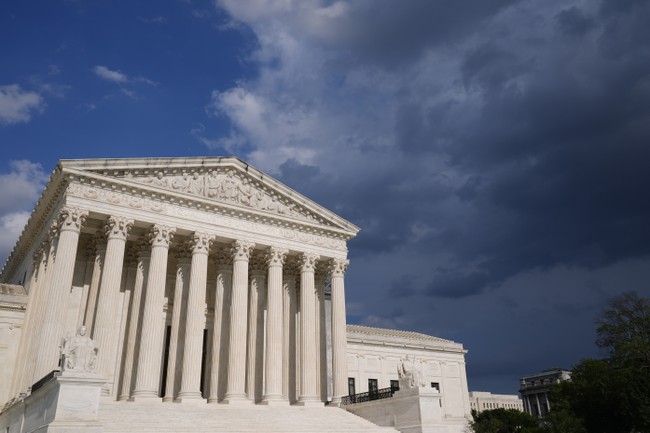
 RedState
Why the Supreme Court May Reject Trump’s Birthright Citizenship Order
 RedState
Can Trump End Birthright Citizenship? Supreme Court Says It Will Decide

 Daily Kos
Should we be panicking about birthright citizenship or not?
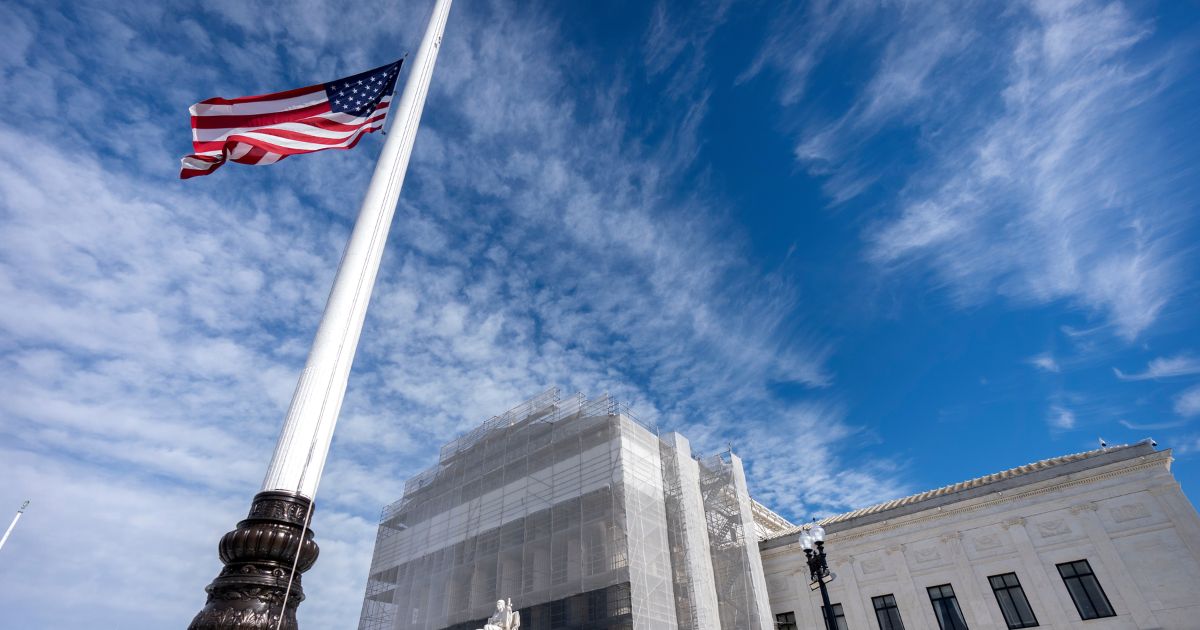
 Western Journal
Could This Be the End? Trump Moves to End Birthright Citizenship for Good, SCOTUS Agrees to Hear the Case
Overview
The Supreme Court will review President Trump's executive order, aiming to end birthright citizenship for children born in the U.S. to non-citizen or non-resident parents, challenging a core constitutional right.
The order directly challenges the 14th Amendment's interpretation, granting U.S. citizenship to anyone born in the country, a principle established post-Civil War to ensure citizenship for freed slaves.
Lower courts consistently blocked the order as unconstitutional, leading to the administration's appeal to the Supreme Court. The case originates from New Hampshire, with the ACLU representing challengers.
Oral arguments are scheduled for the spring, with a Supreme Court ruling anticipated by early summer. This decision could significantly alter a 125-year-old constitutional right, redefining U.S. citizenship.
This review is part of a broader immigration crackdown, with the administration facing multiple court challenges. The Supreme Court has provided inconsistent guidance on related immigration enforcement issues.
Analysis
Center-leaning sources frame this story by emphasizing the long-standing legal precedent of birthright citizenship and portraying President Trump's challenge as a contentious departure from established constitutional understanding. They highlight the historical interpretation of the 14th Amendment and characterize Trump's legal theory as "fringe," linking it to "anti-immigration activists." This collective approach underscores the perceived radical nature of the administration's proposal.