U.S. Military Faces Bipartisan Scrutiny Over Lethal Anti-Drug Operations in Pacific and Caribbean
U.S. military lethal strikes on suspected drug boats in the Pacific and Caribbean face bipartisan scrutiny. Lawmakers question legal authority, rules of engagement, and high casualties.

 USA TODAY
US military says it killed 4 men in strike on suspected drug boat

 NBC News
U.S. Southern Command says it conducted a new 'lethal kinetic strike' on alleged drug boat
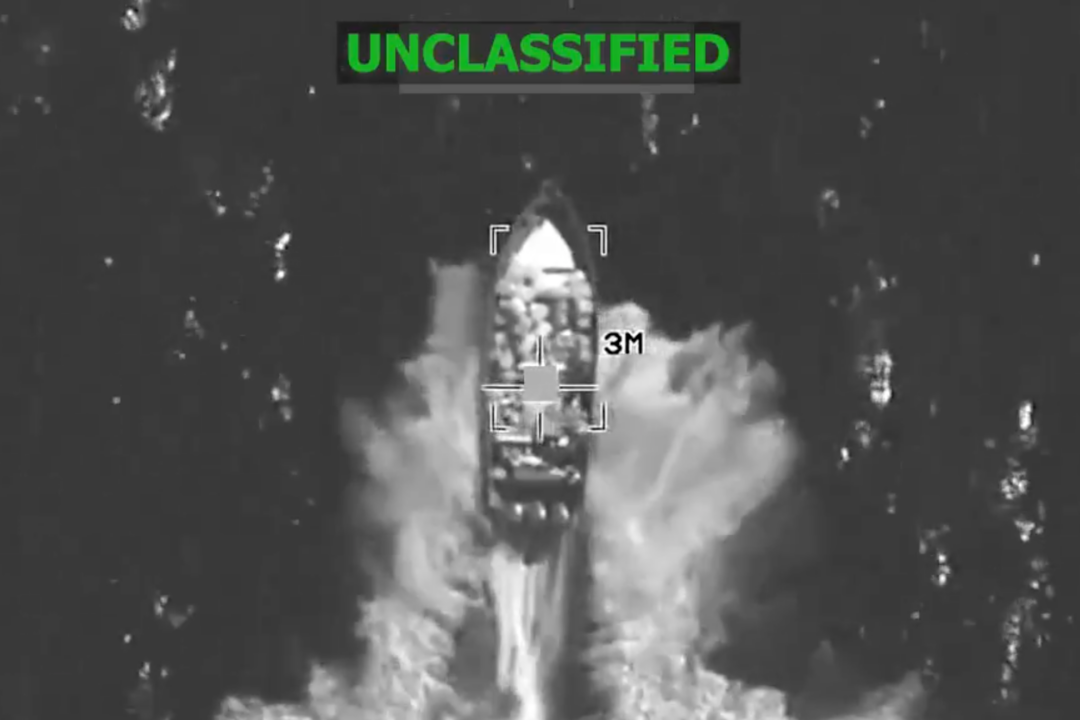
 Epoch Times
Pentagon Says 4 Killed in New Drug Boat Strike
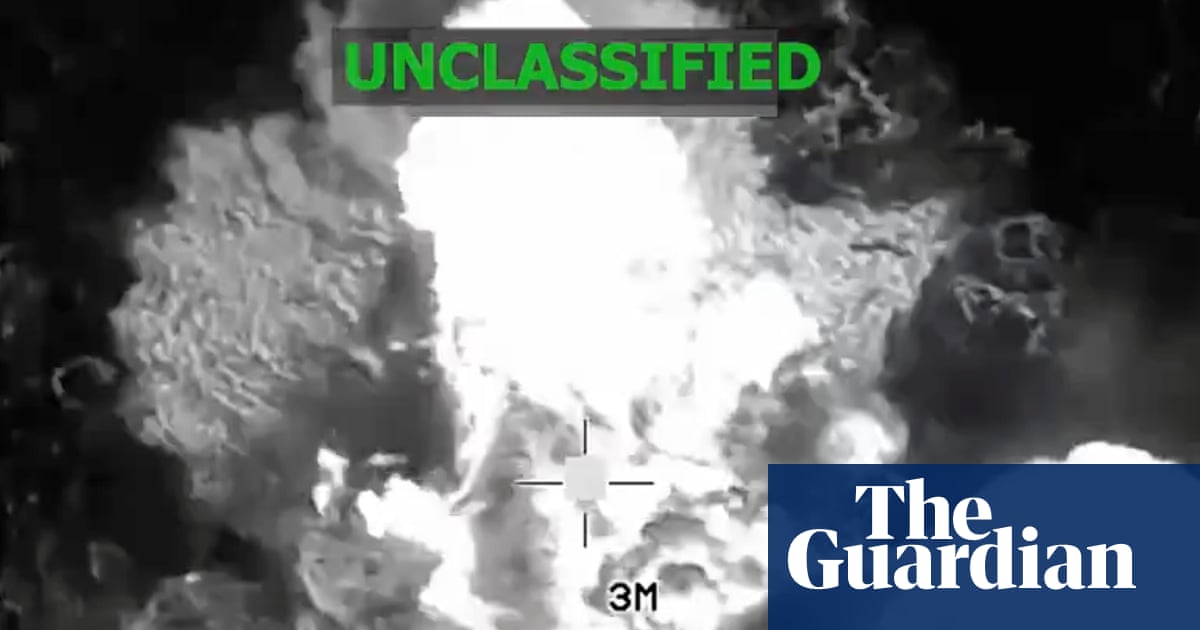
 The Guardian
Pentagon announces it has killed four men in another boat strike in Pacific
Overview
The U.S. military has conducted over twenty lethal strikes on suspected drug trafficking vessels in the Eastern Pacific and Caribbean since September, resulting in at least 87 deaths.
These operations, including a recent strike killing four, are executed under orders from Defense Secretary Pete Hegseth, targeting armed trafficking cells linked to designated organizations.
Lawmakers are raising bipartisan concerns regarding the legality of these anti-drug operations, questioning the military's rules of engagement, intelligence thresholds, and civilian protection standards.
A controversial September attack, killing four suspected narco-terrorists, and a recent briefing by Navy Adm. Frank Bradley, intensified congressional demands for documentation on legal authority.
Bipartisan critics raise concerns about military rules of engagement and civilian protection standards, asserting that killing shipwrecked or incapacitated individuals is a war crime, irrespective of the conflict.
Analysis
Center-leaning sources cover this story neutrally by presenting the U.S. military's account of the strike while also providing crucial balancing context. They attribute strong language to official statements and include information about escalating criticism and previous fatalities, avoiding a one-sided narrative. This approach allows readers to form their own conclusions based on a comprehensive set of facts.