European Council President Antonio Costa Criticizes US Strategy, Warns of Interference Amidst EU Concerns Over Future Russian Threat
European Council President Antonio Costa criticized the US national security strategy for undermining allies and warned against interference, as EU officials cautioned Russia could threaten Europe in 3-5 years.
 The Guardian
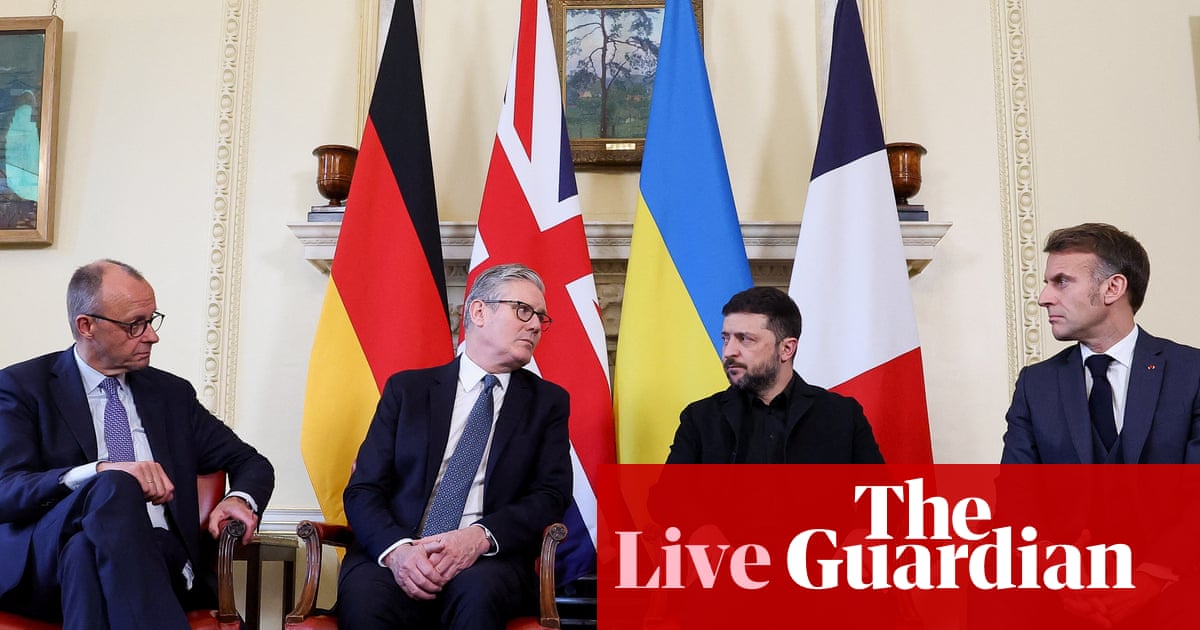
Ukraine war live: Zelenskyy leaves Downing Street after peace plan talks as Merz says Germany ‘sceptical’ about some US proposals
 The Guardian
Europe’s leaders can no longer deny that the relationship with US has changed

 Al Jazeera
EU slams critical US security strategy, notes ‘changed relationship’
 Breitbart News
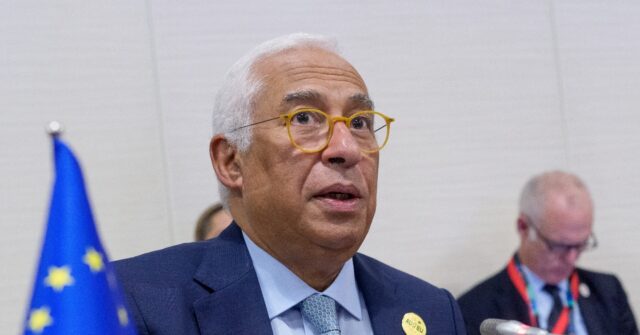
Eurocrat Accuses Trump Admin of Interference over Censorship Criticisms
Overview
European Council President Antonio Costa publicly criticized the US national security strategy, highlighting concerns that it undermines European allies and supports far-right parties across the continent.
Costa specifically warned against US interference in European affairs, signaling a significant shift in transatlantic relations and questioning the strategy's global approach.
The US national security strategy, released in January, outlines its global approach, including a stated aim to end Russia's ongoing war in Ukraine, aligning with vital US interests.
EU officials have issued a stark warning that Russia could potentially launch an attack on Europe within the next three to five years, posing a significant security threat.
This potential Russian aggression is contingent on Russia achieving victory in its ongoing conflict with Ukraine, according to European Union assessments, emphasizing the war's broader implications.
Analysis
Center-leaning sources frame this story by emphasizing European concerns and criticisms regarding the new U.S. national security strategy. Their collective editorial choices prioritize European officials' and experts' reactions, highlighting perceived negative implications for transatlantic relations and European values, while largely omitting direct U.S. official commentary on the strategy's rationale.