Senate Republicans Unify on New Obamacare Replacement Plan Amid Partisan Healthcare Subsidy Battle
The Senate is locked in a partisan battle over expiring ACA subsidies, with Republicans unifying behind a new Cassidy-Crapo plan to replace Obamacare, end COVID-era aid, and fund HSAs, while Democrats seek extensions. Both proposals lack bipartisan support.

 Boston Herald
Senate heads toward dueling partisan votes on health care, with each likely to fail
 Associated Press
Senate heads toward dueling partisan votes on health care, with each likely to fail

 Daily Caller
GOP Launches Rival Healthcare Plan As Obamacare Showdown Hits Senate Floor
 NBC News
Senate Republicans plan vote on a health care alternative as ACA funds look likely to expire
Overview
The Senate is poised for partisan votes on competing proposals concerning the Affordable Care Act's enhanced premium tax credits, which are currently set to expire, creating a legislative showdown.
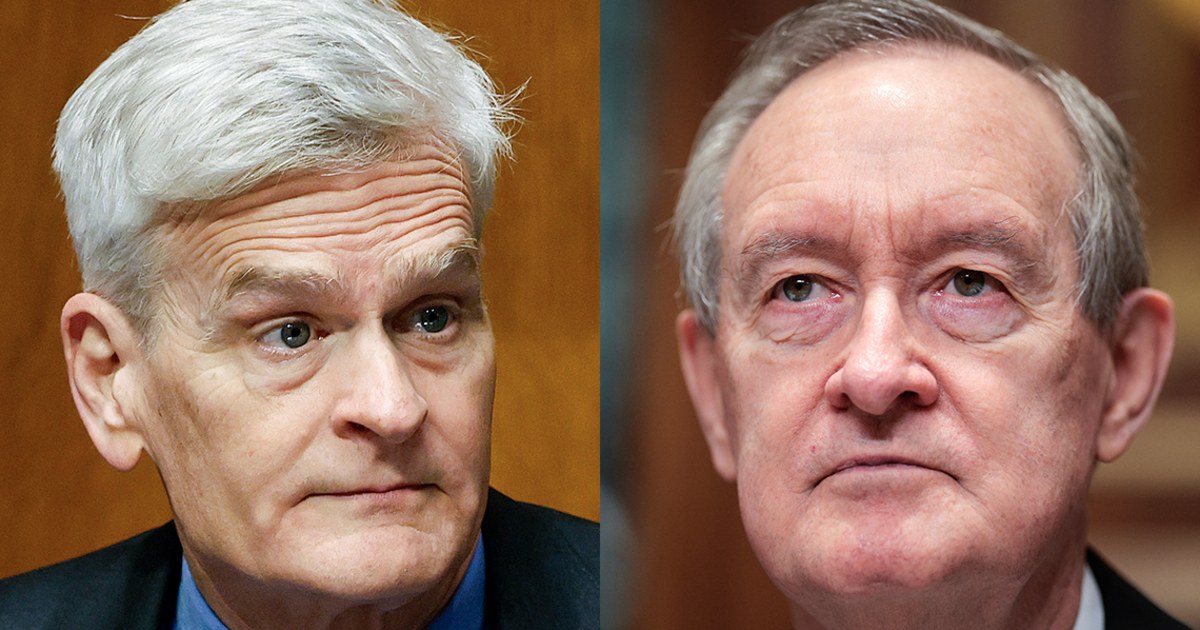
Senate Republicans, after a decade of internal debate, have unified behind a new plan introduced by Senators Cassidy and Crapo, aiming to replace Obamacare and end COVID-era health care subsidies.
The Republican legislation proposes funding health savings accounts for two years for low-income enrollees in high-deductible plans, offering $1,000-$1,500 annually for out-of-pocket expenses, not premiums.
Republicans claim their plan reduces health care fraud and empowers Americans with direct financial support, a stance supported by President Trump, but its abortion funding restriction is a dealbreaker for moderate Democrats.
Both the Republican and Democratic healthcare proposals are widely expected to fail due to insufficient bipartisan support, serving primarily as strategic messaging opportunities ahead of upcoming midterm elections.
Analysis
Center-leaning sources frame this story by emphasizing the impending "health care cliff" and the significant premium increases, creating a sense of urgency. They subtly portray Republican efforts as reactive or politically motivated, while consistently highlighting expert analysis that often points to the limitations or potential negative impacts of the GOP's alternative proposals.