U.S. Proposes Expanded Data Collection for Non-Visa Travelers, Including Social Media and Family History
The U.S. proposes new rules for non-visa travelers, mandating five years of social media, email, phone numbers, and family history for travel approval.
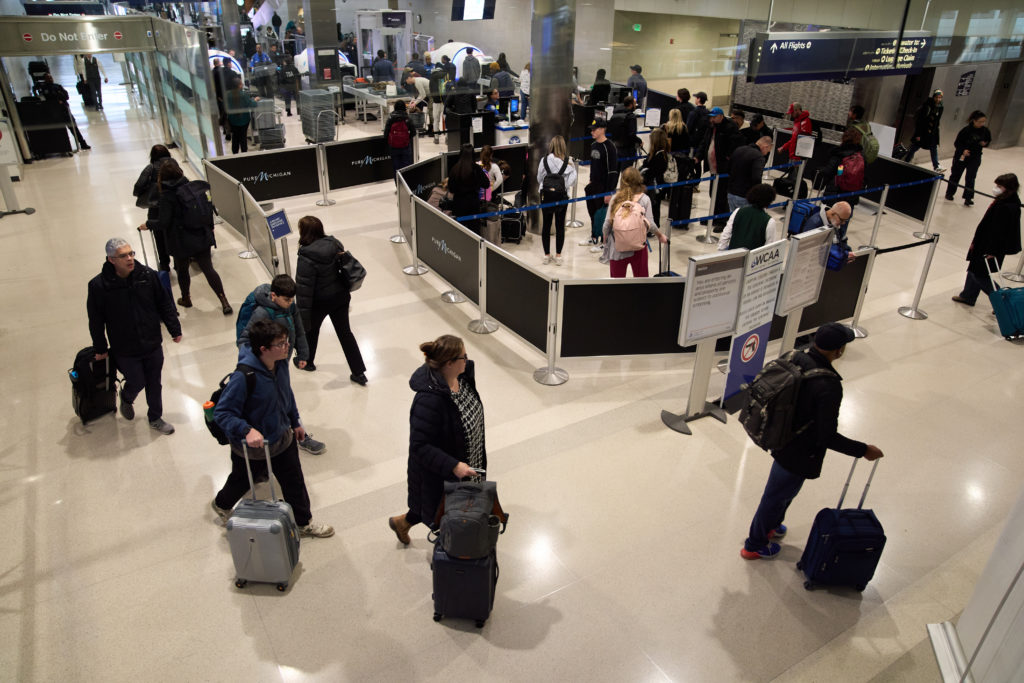
 PBS NewsHour
Foreigners allowed to travel to the U.S. without a visa could soon face new social media screening

 Boston Herald
Foreigners allowed to travel to the US without a visa could soon face new social media screening
 Associated Press
Foreigners allowed to travel to the US without a visa could soon face new social media screening
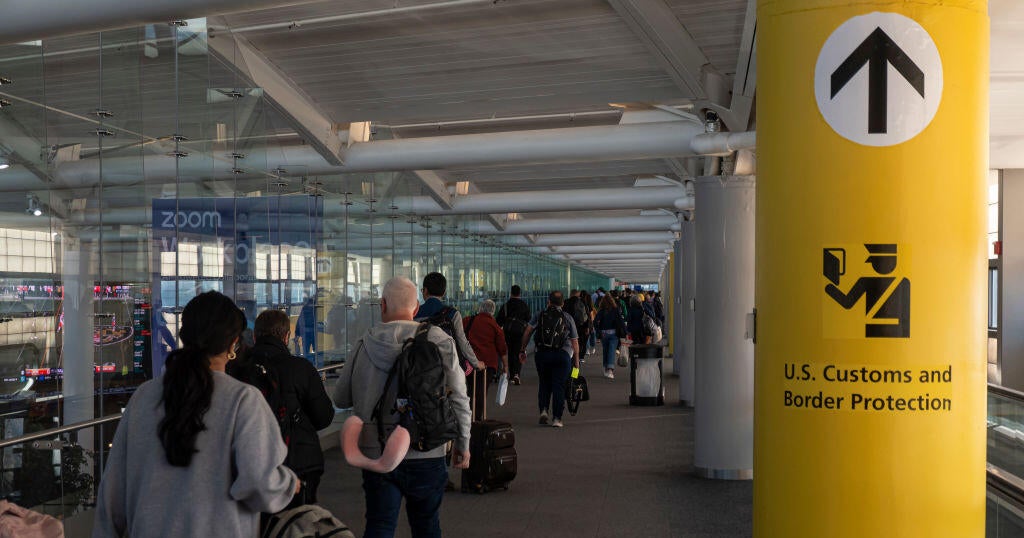
 CBS News
Tourists from 42 countries will have to submit 5 years of social media history to enter U.S. under Trump plan
Overview
The Department of Homeland Security (DHS) proposes new rules for non-visa travelers, including those from Visa Waiver Program countries, to provide extensive personal data for U.S. travel approval.
ESTA applicants will need to disclose five years of social media history, ten years of email addresses, and five years of phone numbers for their travel authorization.
The expanded data collection also mandates providing photo metadata and detailed family information, including birthplaces and phone numbers, as part of the application process.
This initiative, part of the Trump administration's intensified immigration vetting to prevent national security threats, has continued unchanged under President Joe Biden's administration.
The public has a 60-day period to comment on these proposed changes, which expand on existing policies requiring social media disclosure for visa applicants since 2019.
Analysis
Center-leaning sources cover the story neutrally, presenting the proposed social media screening for visa-waiver travelers as a factual development. They detail the new requirements, provide historical context, and include both the administration's rationale and concerns from advocacy groups without taking a side.