Bulgarian Government Resigns Amid Mass Protests Over Corruption and Economic Policies Ahead of Eurozone Entry
Bulgaria's government resigned amid widespread protests over economic policies and corruption, just weeks before its planned entry into the eurozone, facing public anger and demands for early elections.

 Al Jazeera
Bulgarian government resigns after mass protests
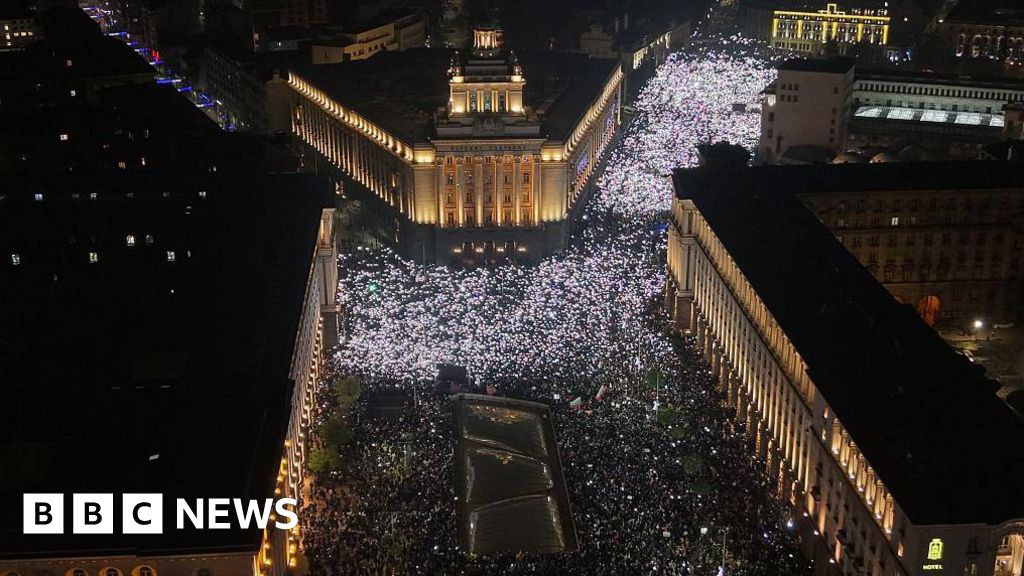
 BBC News
Bulgarian PM and government resign after mass protests
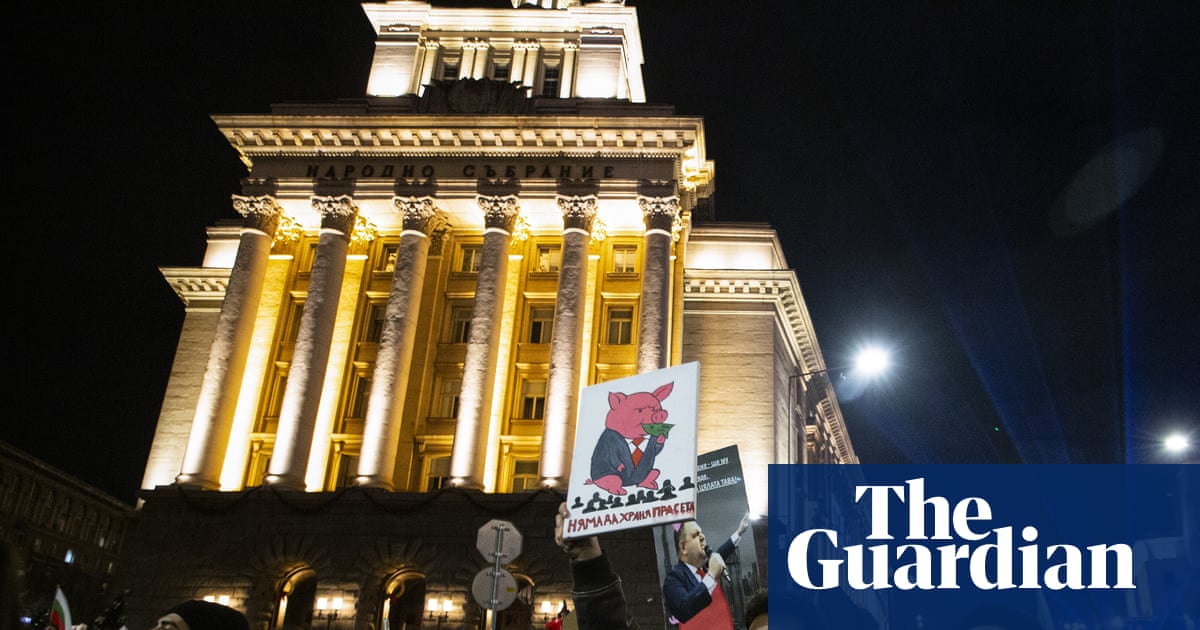
 The Guardian
Bulgarian government resigns after mass anti-corruption protests
 Associated Press
Bulgaria's government resigns after mass protests and just weeks before nation due to join eurozone
 Newsmax
Bulgaria's Government Resigns as Mass Protests Gripped the Nation Weeks before Joining Eurozone
Overview
Bulgaria's government resigned weeks before its planned eurozone entry, facing mass protests over economic policies and widespread corruption allegations.
Protests erupted following controversial government budget plans for higher taxes and social security, alongside public anger over perceived corruption and economic mismanagement.
Over 100,000 Bulgarians, including university students in Sofia, protested nationwide, demanding the center-right government's resignation and an end to corruption.
Frustration targeted politician Delyan Peevski, sanctioned by the US and UK, whose party supports the government and is accused of influencing policy for oligarchic interests.
President Rumen Radev supports the protesters, urging early elections, as Bulgaria, ranking low on corruption indices, faces renewed political instability after previous anti-corruption protests.
Analysis
Center-leaning sources cover Bulgaria's government resignation by presenting a balanced account of events. They detail the resignation, the mass protests, and the underlying reasons like economic mismanagement and corruption. The reporting includes statements from both the outgoing Prime Minister and the opposition, alongside factual context regarding the country's political instability and eurozone aspirations, without adopting a specific evaluative stance.