Indiana GOP Senators Defy Trump on Redistricting, Face White House-Backed Primary Challenges
Twenty-one Indiana Republican senators rejected President Trump's redistricting plan, sparking White House-backed primary challenges and highlighting significant internal party divisions over the controversial proposal.
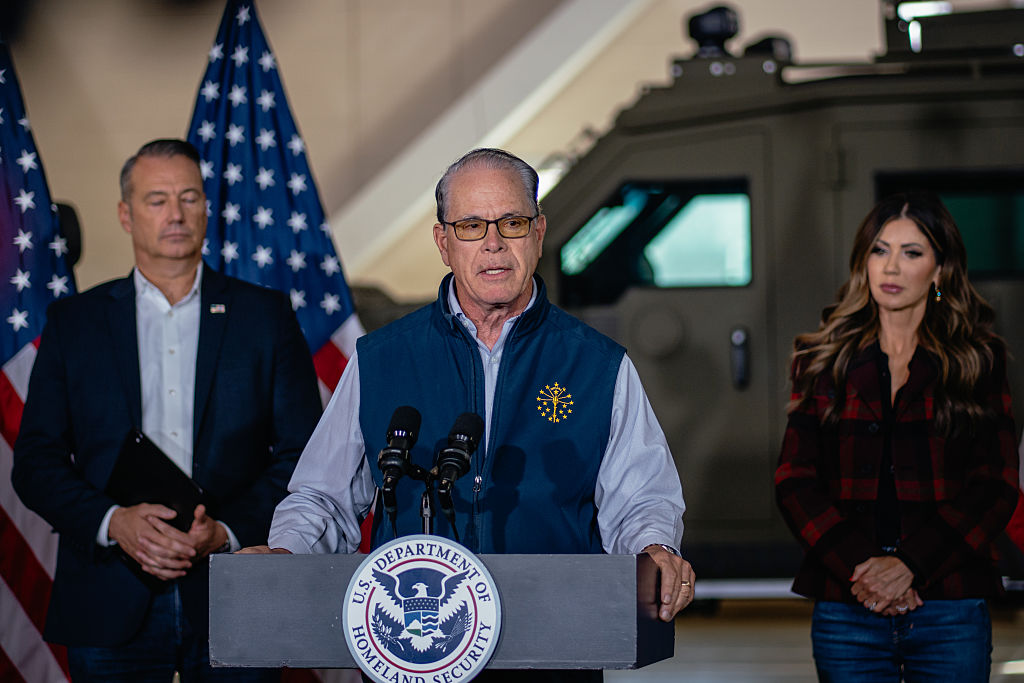
 Epoch Times
Indiana Governor Will Join Trump’s Bid to Primary GOP State Senators Who Blocked Redistricting

 Boston Herald
Trump was unable to insult his way to victory in Indiana redistricting battle
 Associated Press
Trump was unable to insult his way to victory in Indiana redistricting battle

 Daily Caller
'Colossally Stupid': Nuclear-Level Fallout Could Be In Store After GOP Redistricting Failure
Overview
Twenty-one Republican senators in Indiana defied President Trump by voting against his redistricting bill, rejecting a plan to secure two new House seats for the GOP and weaken Democratic influence.
The proposed map aimed to divide Indianapolis into four parts, merging them with other districts to transform Indiana's congressional delegation from 7-2 to 9-0 Republican.
Vice President JD Vance held three meetings with senators, two in Indiana and one in Washington, while White House aides maintained regular communication, influencing the decision before the vote.
Opposing Republican senators, including Bohacek and Leising, now face potential primary challenges from Trump allies, highlighting significant internal party tensions and political fallout.
This rejection, coupled with a hindering court decision, marks a significant setback for President Trump's national redistricting campaign, potentially impacting midterm strategies and local projects.
Analysis
Center-leaning sources frame this story by emphasizing former President Trump's aggressive rhetoric and "bullying" tactics as the primary reason for his redistricting defeat. They highlight senators' negative reactions to his tone, portraying their opposition as a principled stand against "coarse political discourse." The narrative consistently links Trump's personal style to his political ineffectiveness in this instance.