U.S. Lifts Sanctions on Belarusian Potash in Exchange for Political Prisoner Releases
The U.S. will lift sanctions on Belarusian potash following an agreement with Minsk to release more political prisoners, signaling a thaw in relations after years of Western isolation.
 CBS News
U.S. says it will lift some trade sanctions against Russian ally Belarus
 ABC News
US says it will lift some trade sanctions on Russia's ally Belarus
 Associated Press
US says it is lifting some trade sanctions on Russia's ally Belarus
 Newsmax
US Says it Will Lift Some Trade Sanctions on Russia's Ally Belarus
NewsmaxUS Offers to Lift Sanctions on Belarusian Potash Fertilizer
Overview
The U.S. announced it will lift sanctions on Belarusian potash, marking a significant step towards improving long-strained relations between Washington and Minsk after years of isolation.
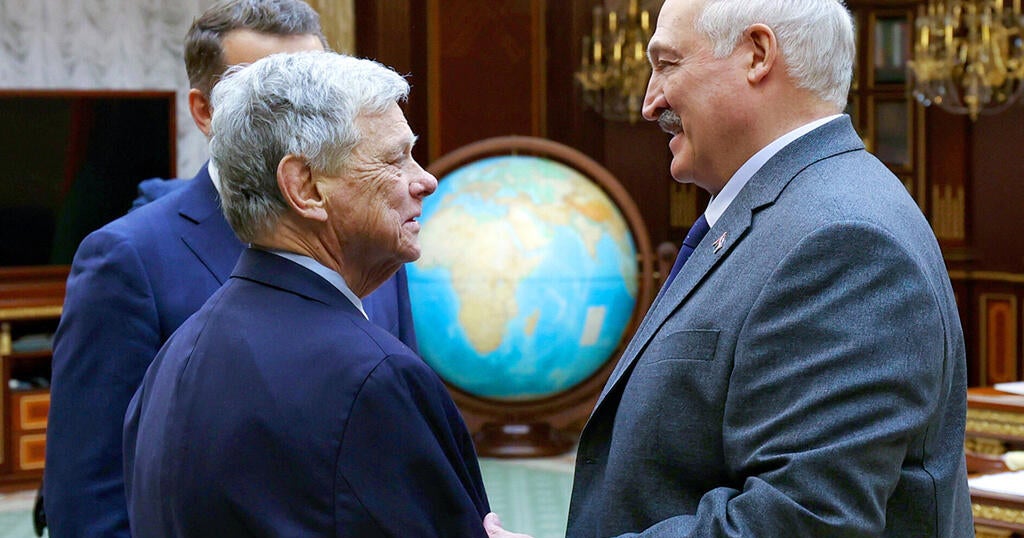
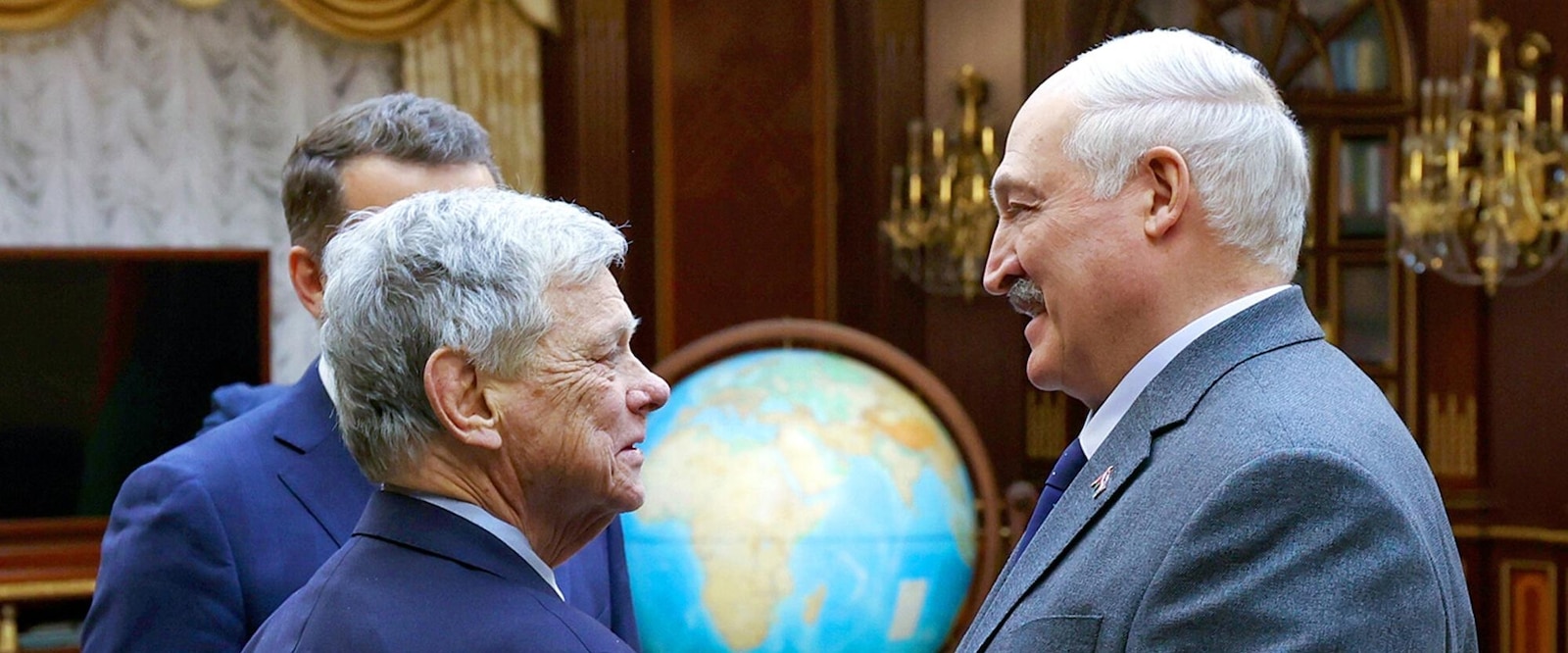
U.S. envoy John Coale confirmed the decision after meeting Belarusian leader Lukashenko in Minsk, where discussions also included Venezuela and Russia's invasion of Ukraine.
This sanctions relief is directly linked to Belarus's commitment to release more political prisoners, building on the release of over 430 individuals since July 2024.
Western sanctions were initially imposed on Belarus due to Lukashenko's authoritarian rule, human rights abuses, and the country's support for Russia's 2022 Ukraine invasion.
Opposition leader Sviatlana Tsikhanouskaya confirmed the agreement, emphasizing that the U.S. sanctions relief is a direct exchange for the release of additional political prisoners.
Analysis
Center-leaning sources frame the lifting of sanctions on Belarus with a cautious and critical perspective. They consistently portray the nation as an "isolated autocracy" led by an "authoritarian leader" ruling "with an iron fist," emphasizing its history of human rights abuses and support for Russia. This editorial framing underscores skepticism about the regime's true intentions despite the diplomatic "thaw."