President Trump's Executive Order Establishes National AI Framework, Challenges State Regulations
President Trump signed an executive order establishing a national AI regulatory framework, aiming to limit state-level regulations and centralize policy, impacting key life decisions.
 The Guardian
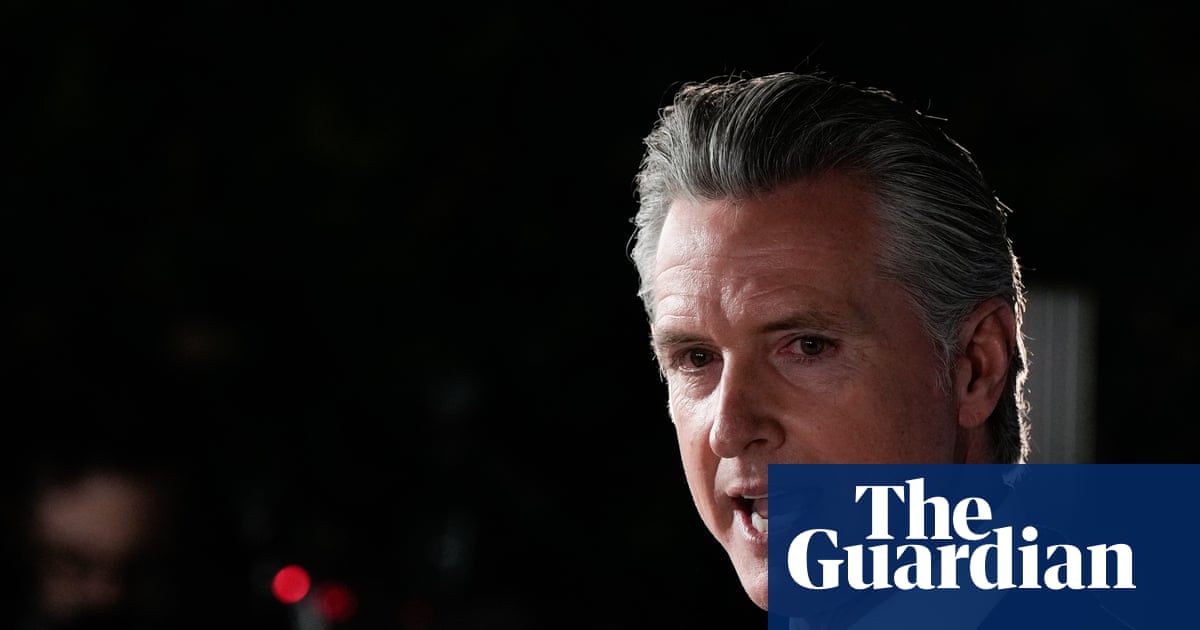
Gavin Newsom pushes back on Trump AI executive order preempting state laws
 PBS NewsHour
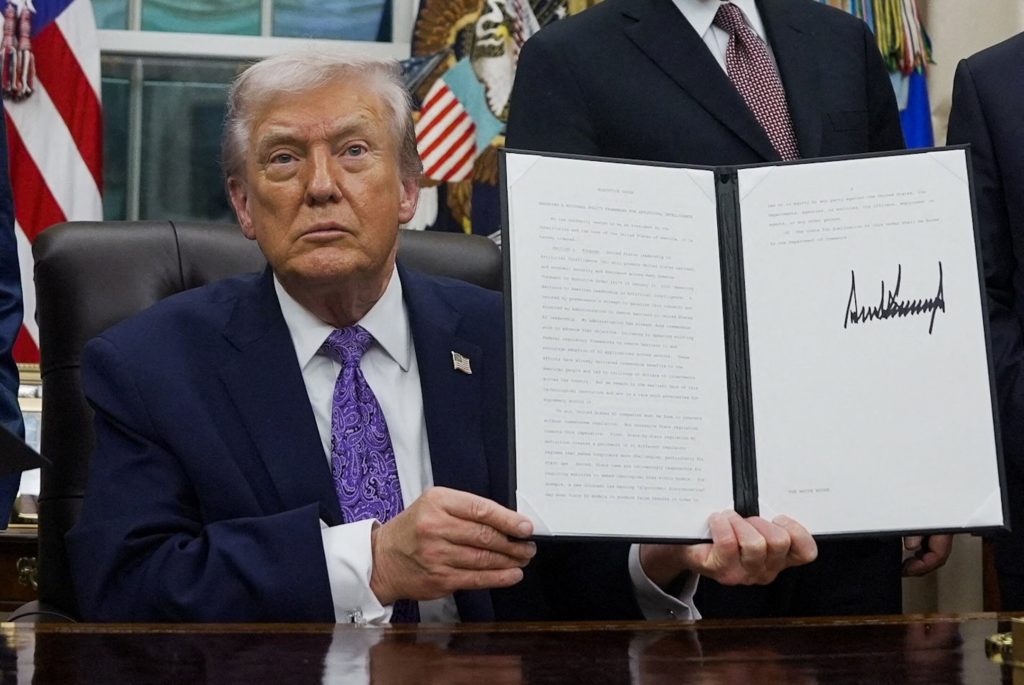
Trump’s executive order limits state regulations of artificial intelligence
 Reason
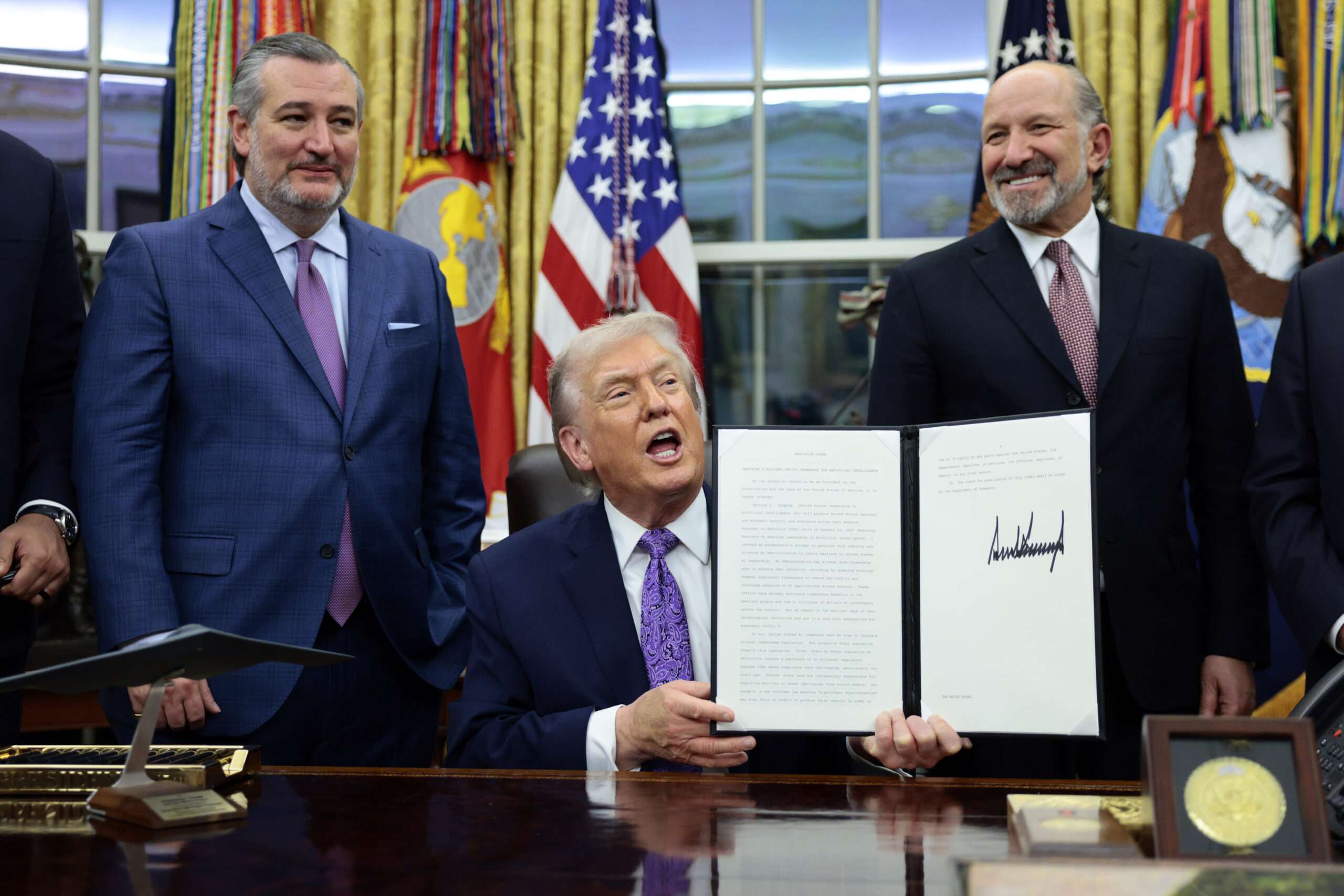
Donald Trump tries to override state AI regulations via executive order
 The American Conservative
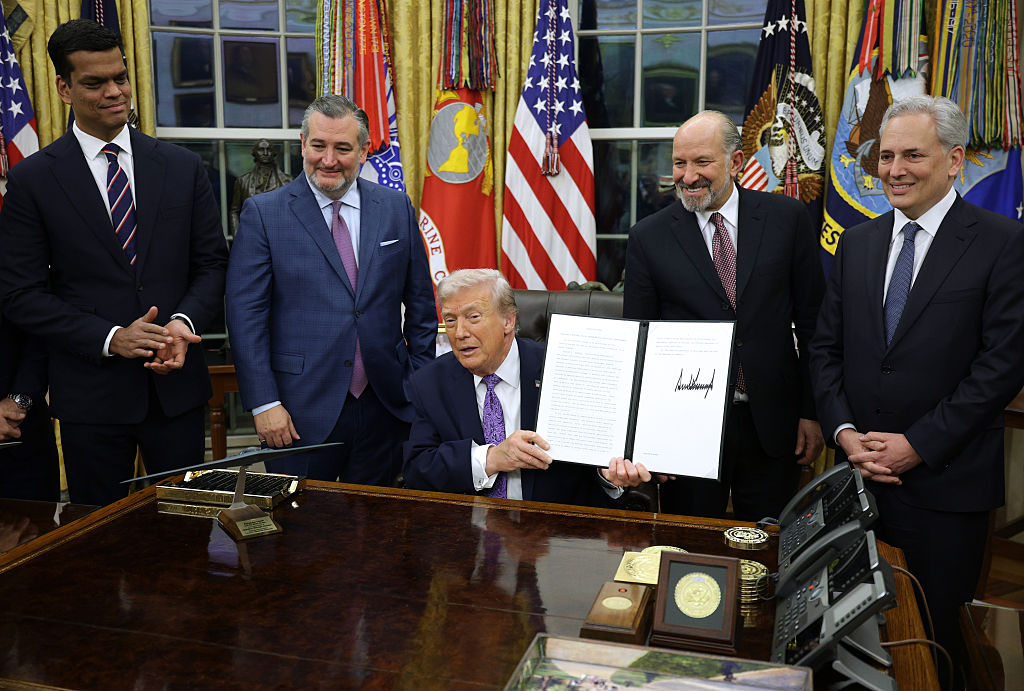
Trump Signs Order to Create National AI Policy
Overview
President Trump signed an executive order to establish a national AI regulatory framework, aiming to limit states' abilities to enforce their own AI regulations and promote a "light-touch" approach.
This federal directive mandates Sacks and Kratsios to draft legislative recommendations for a national AI policy framework that would supersede diverse state laws, ensuring consistent oversight.
States like Colorado, California, Utah, and Texas have already enacted AI laws addressing deepfakes, data collection, and transparency, pushing for stricter regulations in the private sector.
The order establishes a DOJ AI Litigation Task Force, led by Attorney General Pam Bondi, to challenge state AI laws conflicting with the federal approach, with states risking funding loss.
This move is seen as a significant win for tech giants, centralizing AI policy that influences critical life decisions for Americans, though it is expected to face legal challenges.
Analysis
Center-leaning sources cover this story neutrally by presenting a balanced view of the executive order. They include arguments from the administration and tech industry, alongside significant opposition from critics and state officials. The reporting avoids loaded language and provides factual context, allowing readers to understand the multifaceted debate surrounding AI regulation.