The Enduring Legacy of the Chaplain Corps: Supporting Religious Freedom and Morale in the Military
The Chaplain Corps, established by George Washington, provides crucial religious services, counseling, and ethical guidance to military personnel of all faiths, ensuring spiritual support in diverse settings.



Overview
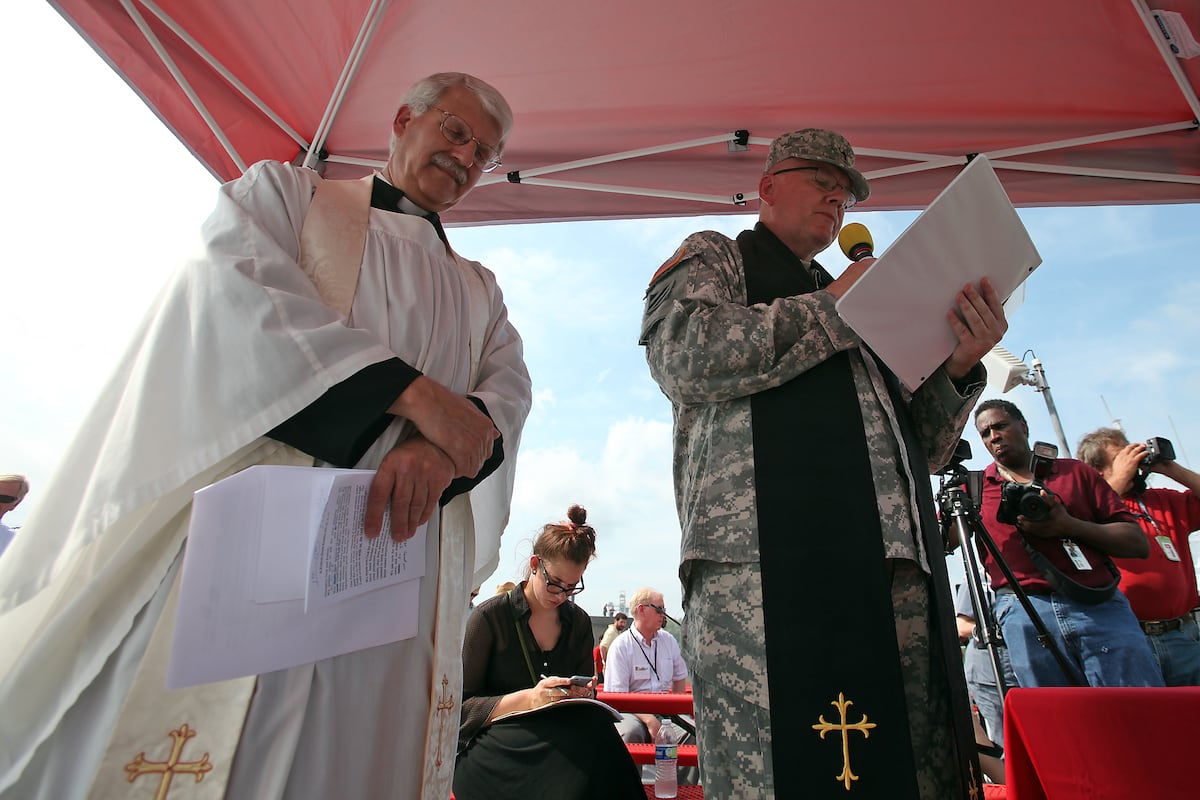
The Chaplain Corps, established by George Washington before the nation's founding, ensures religious freedom for military personnel, especially in combat zones and overseas deployments where civilian clergy are absent.
Chaplains serve as noncombatant officers, providing essential religious services, counseling, and ethical advice to troops of all faiths, supporting their spiritual and moral well-being.
Their crucial role involves delivering spiritual support and guidance in diverse military settings, ensuring that service members can practice their faith and receive pastoral care.
By offering non-proselytizing support, chaplains uphold the constitutional right to religious freedom within the armed forces, fostering an inclusive environment for all personnel.
The Corps' enduring mission is to provide comprehensive moral and spiritual support, significantly contributing to the overall welfare, resilience, and readiness of the nation's military forces.
Analysis
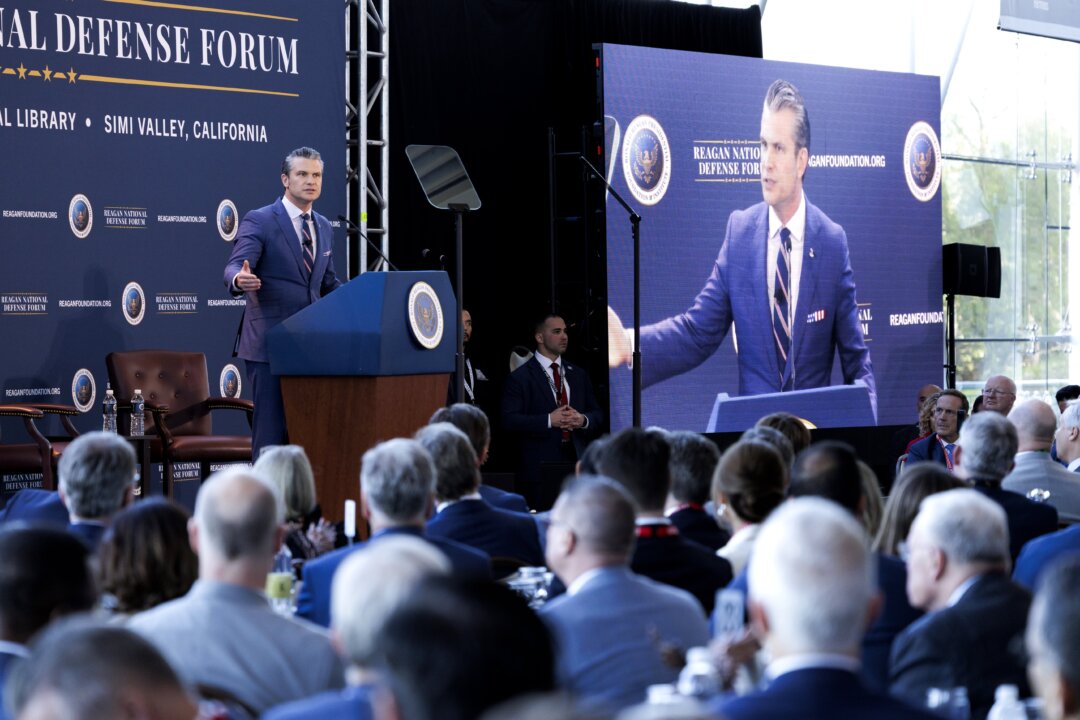
Center-leaning sources cover this story neutrally by focusing on reporting the facts of Defense Secretary Pete Hegseth's directive to overhaul the Chaplain Corps. They present his statements and actions without injecting evaluative language or taking a stance, providing direct quotes and factual background to inform readers about the policy change.