EU Approves €105 Billion Loan for Ukraine, Overcoming Objections and Exploring Russian Asset Use
The EU approved a €105 billion interest-free loan for Ukraine, overcoming member state objections to provide crucial financial support and exploring frozen Russian assets.
 The Guardian
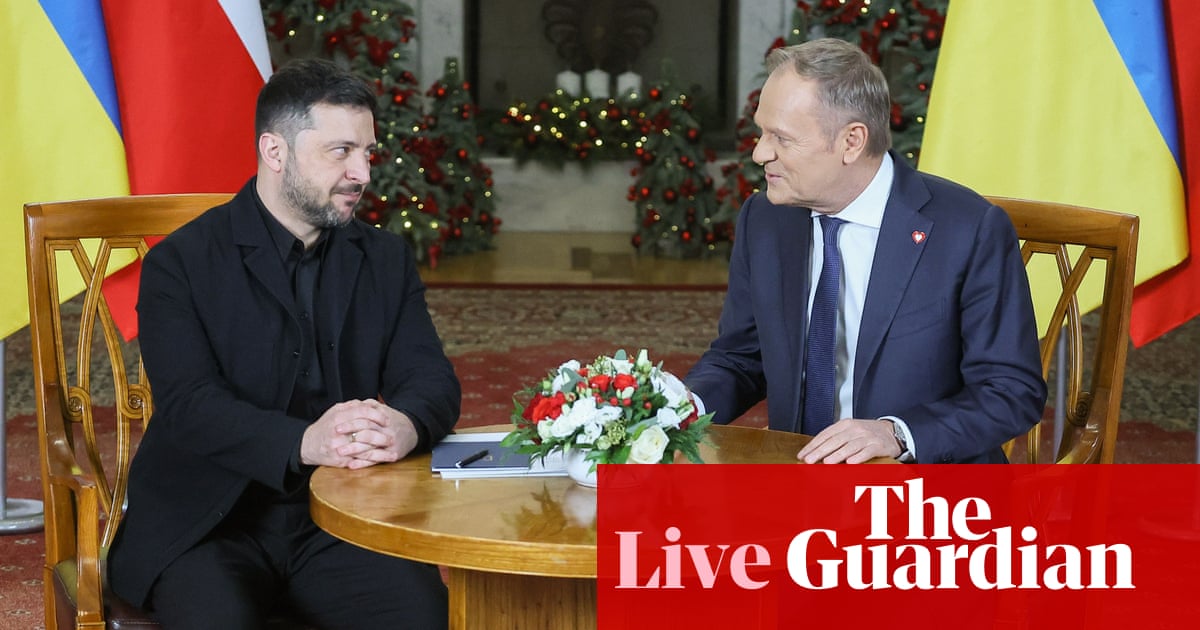
Zelenskyy and Polish PM hail EU’s €90bn loan: ‘Scariest thing for Russians is when we’re together’ – live
 Washington Examiner
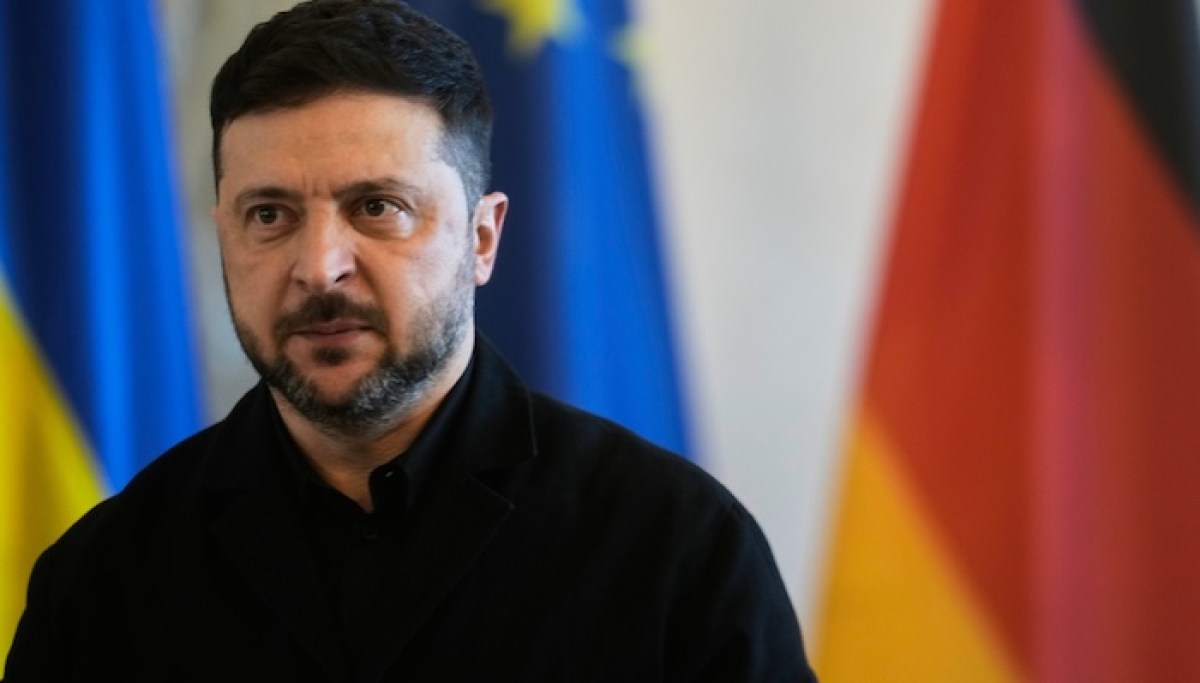
European leaders agree to $105 billion loan to fund Ukraine
 Associated Press
What to know about the EU's new $106 billion loan to Ukraine
 The Guardian
EU’s Ukraine loan may have been Plan B, but don’t underestimate its significance to the bloc
Overview
The European Union will provide Ukraine with a €105 billion interest-free loan over two years to support its military and economic needs, addressing Kyiv's urgent financial requirements by spring.
Ukraine urgently needs funds by spring to avoid bankruptcy and cover essential expenses like ammunition and infrastructure repairs, with the IMF projecting significant financial needs through 2027.
European leaders initially planned to utilize €210 billion in frozen Russian assets, primarily in Belgium, but this proposal stalled due to legal risks and concerns from countries like Belgium.
The EU overcame unanimity objections to the loan package by securing support from Hungary, Slovakia, and the Czech Republic, who were exempted from financial burdens.
The European Council utilized Article 20 of the Treaty of Europe to enable the EU to provide the zero-interest loan, shouldering the debt and ensuring crucial funds reach Ukraine faster.
Analysis
Center-leaning sources cover this story neutrally by presenting a factual account of the EU's loan to Ukraine. They detail the complex political negotiations, including the initial plan, the reasons for its failure, and the eventual compromise. The reporting includes diverse viewpoints from member states, explaining their positions without editorializing.