President Trump Signs Executive Order to Reclassify Marijuana as Less Dangerous Drug
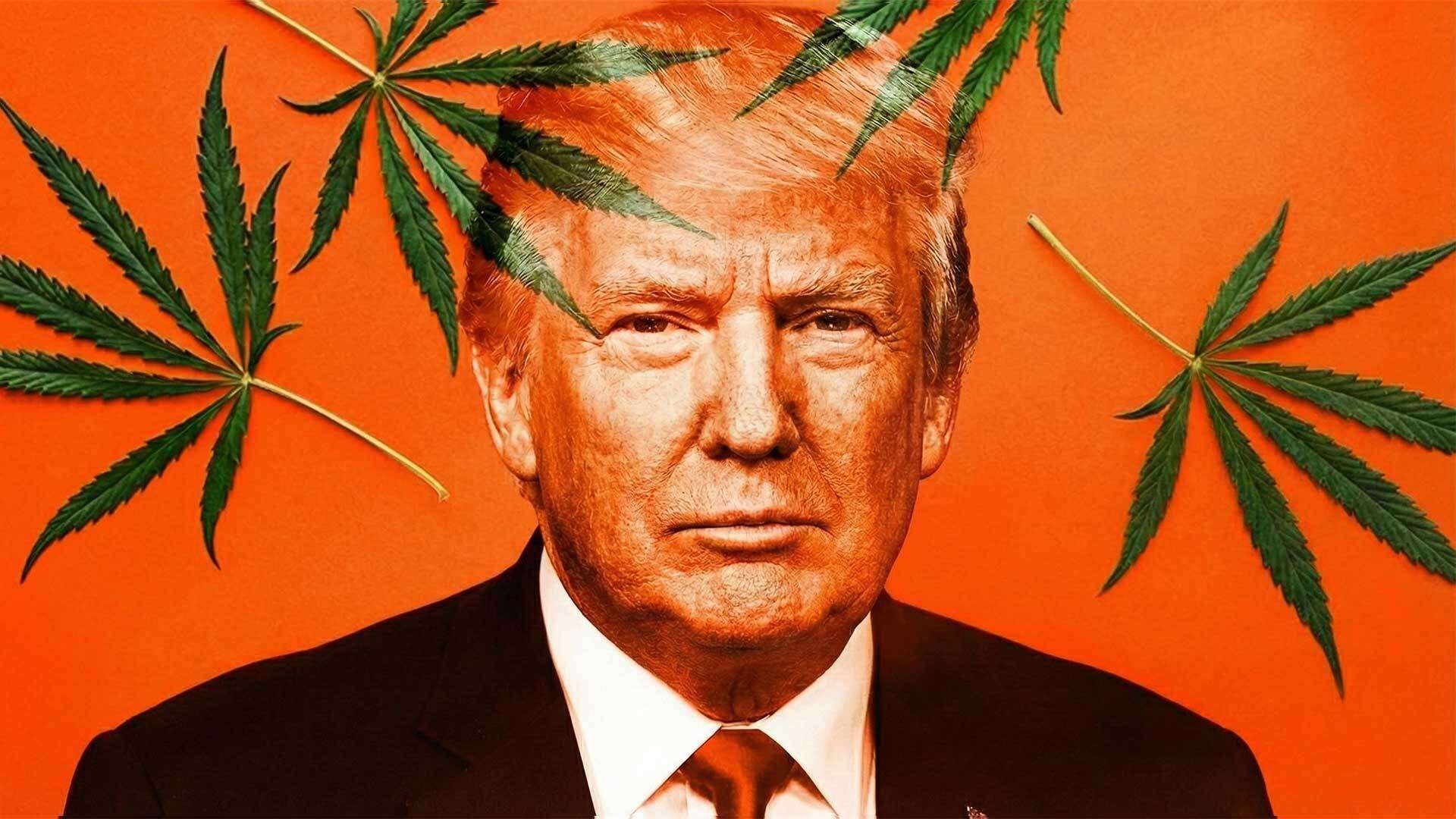
President Trump reclassified marijuana from Schedule I to Schedule III via executive order, facilitating medical research and aligning federal policy with state laws.

 RedState
THE ESSEX FILES: Trump's Marijuana Reclassification: A Pragmatic Step, but One That Warrants Caution
 Newsmax
Dr. Crandall: Easing Marijuana Restrictions
 Reason
Trump orders the 'expeditious' reclassification of marijuana

 TIME Magazine
Trump Signs Order to Loosen Restrictions on Marijuana
Overview
President Trump signed an executive order to reclassify marijuana from a Schedule I drug to a Schedule III substance, aligning it with substances like ketamine and some anabolic steroids.
This reclassification aims to acknowledge marijuana's medical benefits, facilitate research by reducing regulatory barriers, and promote the development of cannabis-based medical therapies.
The move will allow legal cannabis businesses to claim standard tax deductions, benefiting their financial operations, but will not legalize recreational use nationwide.
A growing number of states have legalized marijuana for recreational or medical use, with 68% of Americans now supporting legalization, reflecting a significant shift since 2005.
President Trump lacked widespread party support, with over 20 Republican senators urging him to maintain marijuana as a Schedule I drug, citing health and safety concerns.
Analysis
Center-leaning sources frame this story as a positive, long-overdue correction to federal policy regarding marijuana. They emphasize the scientific basis for reclassification and its benefits for patients and the cannabis industry, while highlighting the federal government's past "exaggeration" of dangers. The coverage largely omits critical perspectives, presenting the move as a necessary step, albeit one that doesn't fully resolve federal-state conflicts.