Trump Administration Proposes Sweeping Restrictions on Gender-Affirming Care for Minors
The Trump administration proposes new federal regulations to restrict gender-affirming care for minors, cutting hospital funding and reclassifying gender dysphoria, sparking debate and legal challenges.

 PJ Media
HHS Moves to Block Hospitals From Sex-Rejecting ‘Trans’ Procedures

 Just the News
‘Long overdue’: Praise for HHS’ action to bar taxpayer-funded sex-change procedures
 Boston Globe
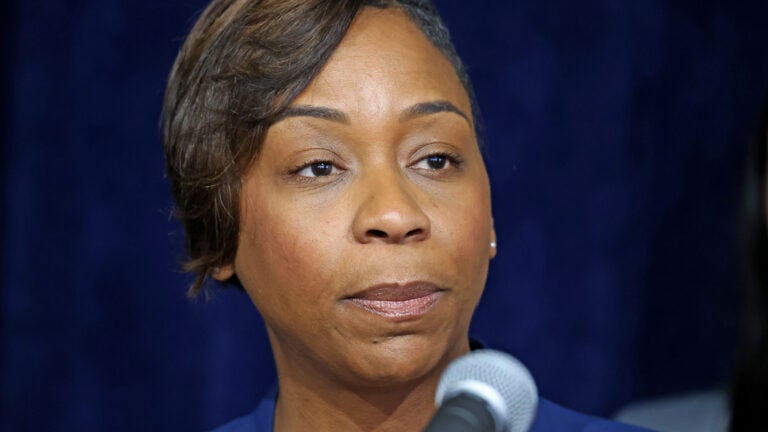
AG Campbell condemns Trump administration’s proposed restrictions on gender-affirming care
 Christian Post
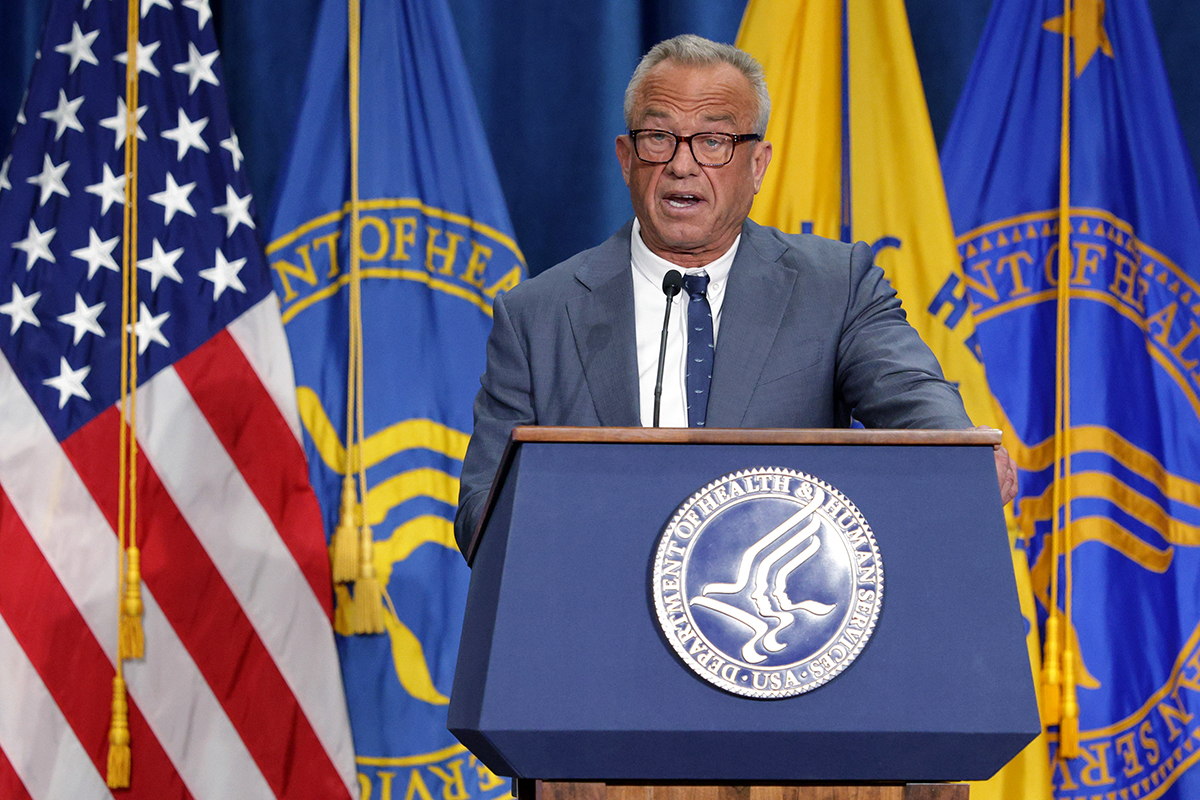
Robert F. Kennedy Jr. announces HHS crackdown on 'sex-rejecting' surgeries for minors: 'Malpractice'
Overview
The Trump administration is proposing new federal regulations to significantly restrict gender-affirming care for minors, building on earlier executive orders and policies aimed at limiting transgender healthcare access.
These proposals include cutting federal funding for hospitals that provide gender-affirming treatments to minors, potentially barring them from Medicare and Medicaid participation and funding.
The U.S. Department of Health and Human Services also plans to propose excluding gender dysphoria from being classified as a disability, reversing Biden-era protections in federally funded programs.
These measures, which contradict major U.S. medical societies, align with broader Republican efforts and House bills targeting minor gender transition treatment, despite expected legal challenges.
The new rules will undergo a 60-day public comment period before implementation, with significant legal challenges anticipated, while polling indicates some public support for the administration's stance.
Analysis
Center-leaning sources frame this story by emphasizing the negative impact of the HHS actions on transgender minors and their families. They use strong language like "slash funding" and highlight the "increasingly restrictive environment," contrasting the administration's stance with the consensus of major medical associations. The narrative underscores the real-world consequences through personal stories and statistics.