Vice President Vance Secures Key 2028 Endorsement from Turning Point USA Amidst GOP Succession Debates
Vice President JD Vance secured a key 2028 presidential endorsement from Turning Point USA, positioning him as a leading Republican successor. This crucial backing highlights his grassroots appeal.

 Chicago Tribune
JD Vance refuses to set red lines over bigotry as conservatives feud at Turning Point

 Fortune
After GOP fights about antisemitism, JD Vance rejects 'purity tests'
 New York Sun
After Days of Backbiting and Infighting, JD Vance Plays Peacemaker at Turning Point Conference

 CNN
CNNTurning Point exposed a brewing MAGA civil war. Can JD Vance unite it? | Politics
Overview
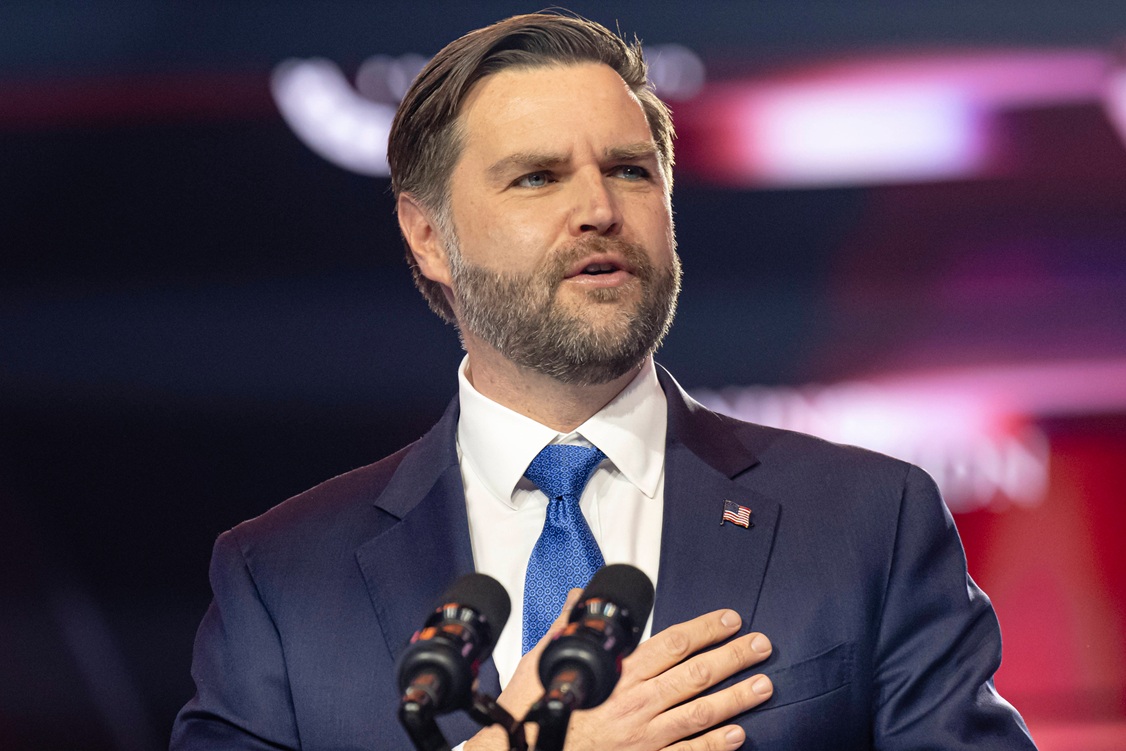
Vice President JD Vance received an early 2028 presidential endorsement from Turning Point USA, with Erika Kirk formally endorsing him as Trump's successor at AmericaFest, signaling strong support from a key volunteer group.
The endorsement positions Vance as a leading figure in the Republican Party's post-Trump future discussions, with Trump himself praising Vance and Rubio as potential successors for a future Republican ticket.
Turning Point's nationwide volunteer network is crucial for building grassroots momentum in early primary states, making its endorsement a significant force on the political right, especially as Vance highlighted administration achievements.
Vance's significant backing stems from close ties to Charlie Kirk, whose remains the Vice President solemnly retrieved on Air Force Two from Utah after his assassination, assisting uniformed service members with the casket.
Despite strong endorsements, Vance lacks unanimous GOP support as the party grapples with internal debates over figures like Fuentes and Candace Owens, who share antisemitic theories, and broader identity issues discussed at the conference.
Analysis
Center-leaning sources cover the internal conservative debate at Turning Point USA neutrally, reporting on JD Vance's refusal to set "red lines" over bigotry. They present various viewpoints, including criticisms from Ben Shapiro and defenses from Tucker Carlson, alongside attendee reactions. The coverage focuses on the factual reporting of the contentious discussions about the movement's future and identity without editorial bias.