Supreme Court Blocks Trump's National Guard Deployment in Chicago, Marking Rare Legal Defeat
Supreme Court blocked President Trump's National Guard deployment to Chicago for immigration enforcement, a rare legal setback for his administration's federal power initiatives.





Overview
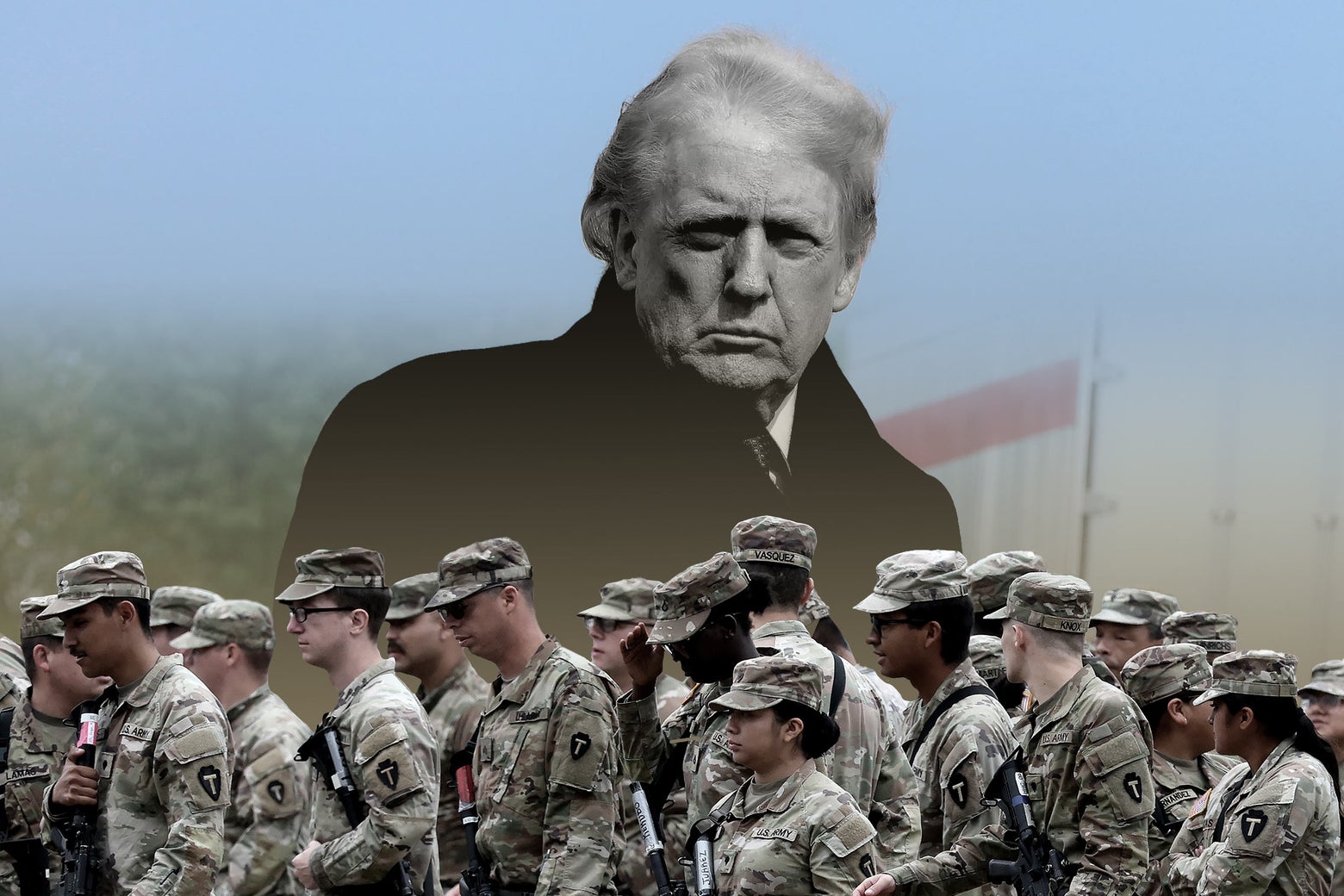
The Supreme Court denied President Trump's request to deploy National Guard troops to Chicago for immigration enforcement, marking a significant legal defeat for his administration.
This decision represents a rare setback for President Trump, who has frequently succeeded in emergency appeals, highlighting the legal challenges to his administration's federal power initiatives.
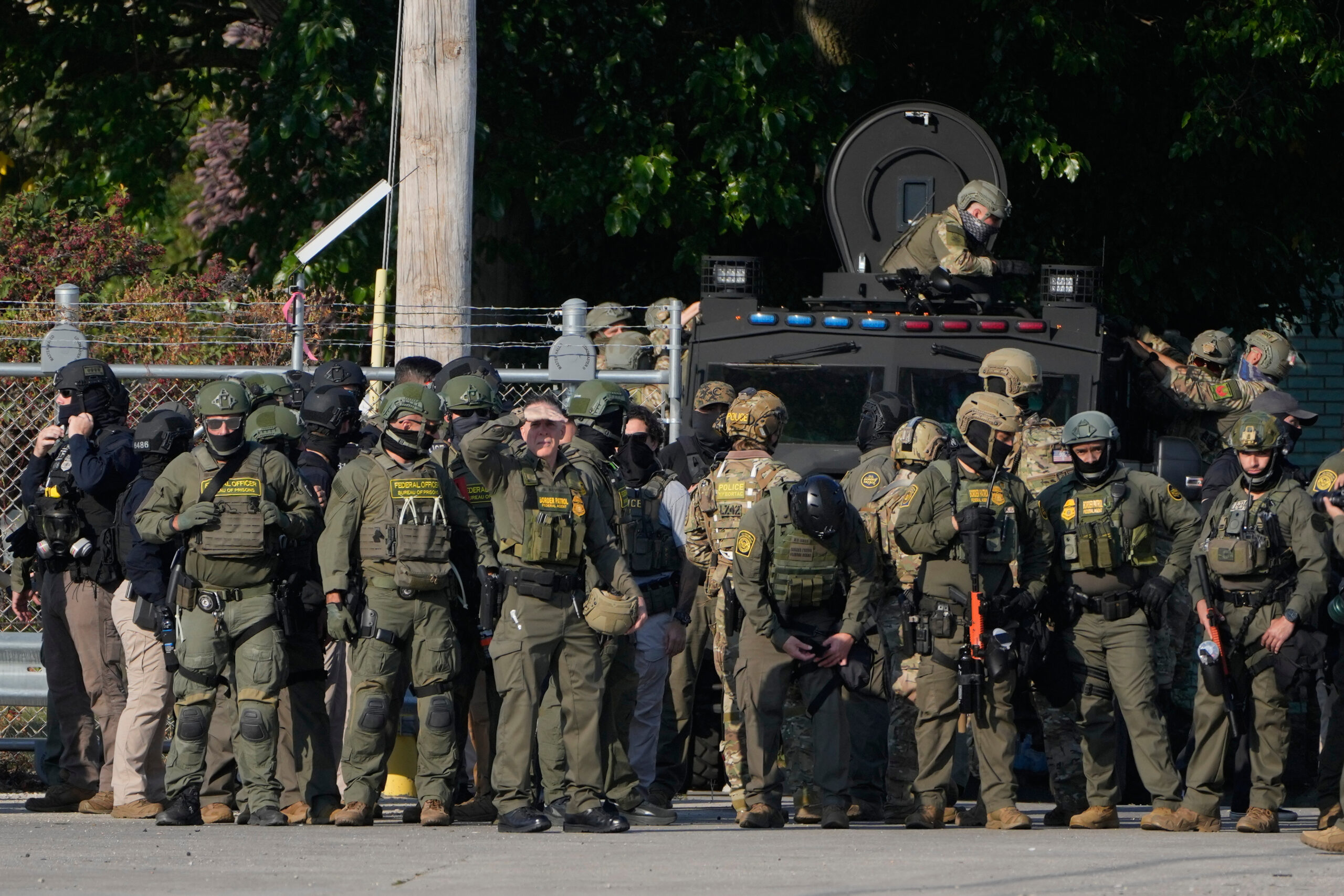
Illinois and Chicago sued the administration, arguing the federalization of National Guard troops was unlawful and politically motivated, despite claims of protecting federal property and personnel.
Federal judges in Illinois, Oregon, and California blocked deployments, doubting administration claims of widespread violence at protests, particularly at Chicago's Broadview ICE facility.
The ruling influences ongoing legal challenges against Trump's military deployments in other Democratic-led cities like Portland and Los Angeles, highlighting persistent disputes over federal authority.
Analysis
Center-leaning sources frame this story by characterizing President Trump's attempt to deploy the National Guard as an "unusual move" and "aggressive use of executive power." They emphasize the political dimension, highlighting his targeting of "cities led by Democrats" and portraying the Supreme Court's decision as a curb on presidential overreach. This collective framing underscores a narrative of executive authority being challenged and limited.