Transatlantic Tensions Escalate as US Bars European Officials Over Online Censorship, While EU Fines X for DSA Violations
The U.S. State Department barred European officials and anti-disinformation leaders over alleged online censorship, sparking backlash. Concurrently, the EU fined X for Digital Services Act violations, escalating transatlantic digital regulation disputes.

 Western Journal
Shock and Awe: Fiery Rubio Imposes Unprecedented Sanctions on European Elites Who Attempted to Censor Americans

 Washington Examiner
EU leaders erupt over US travel ban on officials involved in Digital Services Act
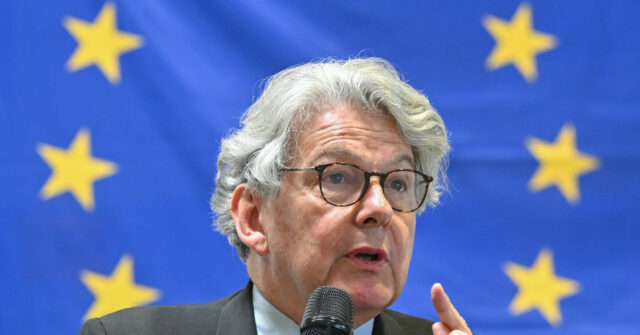
 Breitbart News
EU Threatens Retaliation Against U.S. After Ex-Censorship Tsar Sanctioned

 Daily Caller
Eurocrats Melt Down Over Trump Barring Censorship Police From US
Overview
The U.S. State Department imposed visa restrictions on several Europeans, including former EU Commissioner Thierry Breton and leaders from CCDH, GDI, and HateAid, for allegedly pressuring American tech firms to censor U.S. viewpoints online.
This action by the Trump administration utilizes immigration law to address foreign influence on online speech, specifically targeting researchers and activists involved in countering digital hate and disinformation.
The visa restrictions have triggered significant backlash from European officials and left-wing advocates, who view the move as an attack on efforts to combat harmful online content.
Among those sanctioned are individuals like Anna-Lena von Hodenberg and Josephine Ballon, recognized for their roles in enforcing the EU's 2022 Digital Services Act (DSA), which aims to flag harmful content.
Further illustrating the escalating transatlantic tensions over digital content regulation, the European Commission recently fined Elon Musk's social media platform X over $140 million for alleged DSA law violations.
Analysis
Center-leaning sources frame the story by emphasizing the strong European condemnation of the U.S. sanctions, portraying the American action as a controversial escalation. They highlight European leaders' accusations of "intimidation and coercion" and an "authoritarian attack," while presenting the U.S. rationale primarily through attributed statements from Secretary Rubio, which are then immediately countered by European viewpoints.