Maduro Indicted in U.S.; Legal Team to Challenge Charges, Citing Noriega Precedent
President Nicolás Maduro and his wife were brought to New York and indicted; their defense plans to challenge U.S. jurisdiction, drawing comparisons to Manuel Noriega's 1989 removal but facing skeptical legal experts.
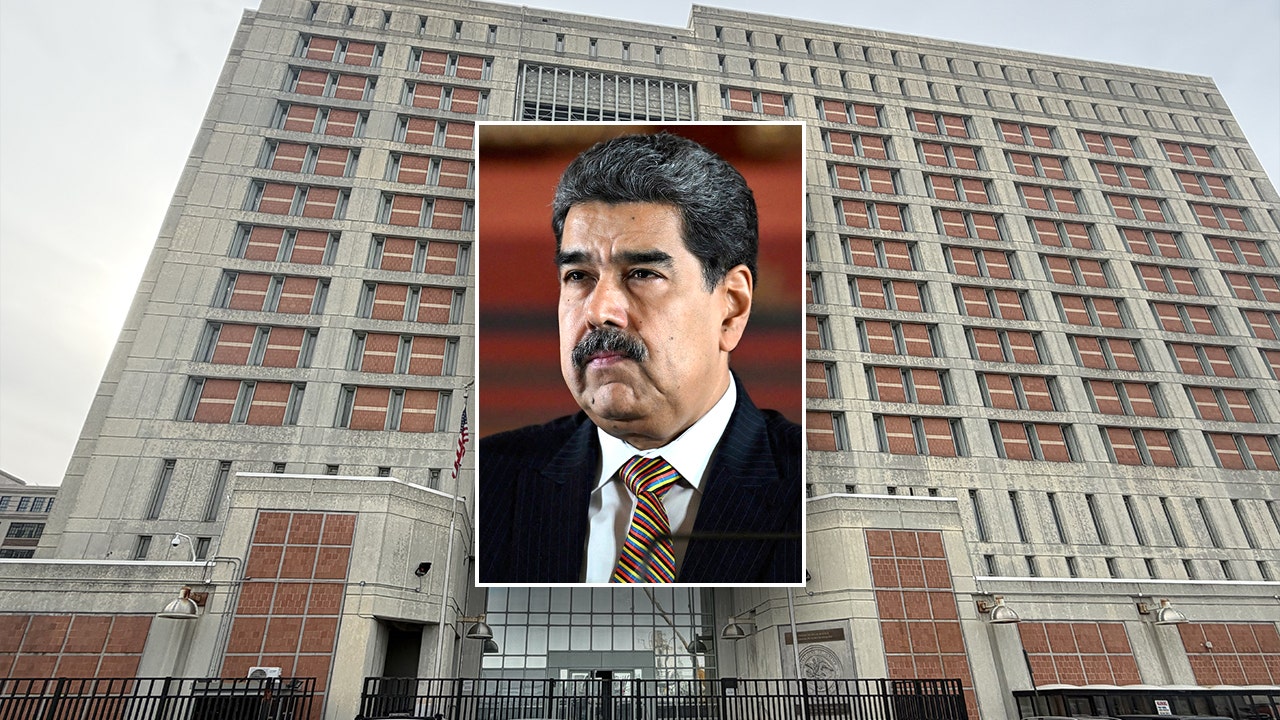
 FOX News
GREGG JARRETT: No, Trump's order to snatch Maduro was not illegal or unconstitutional
 Associated Press
Maduro’s case will revive a legal debate over immunity for foreign leaders tested in Noriega trial
Associated PressMaduro’s case will revive a legal debate over immunity for foreign leaders tested in Noriega trial
 Newsmax
Maduro Faces Noon Monday Arraignment Before Judge Hellerstein
Overview
U.S. forces seized Maduro and Cilia Flores on Jan. 3, transporting them to New York for federal indictment and arraignment before Judge Alvin K. Hellerstein.
Maduro's legal team plans similar challenges to those in Manuel Noriega's 1989 case, arguing limited immunity for official acts as de facto leader.
Legal experts say Noriega-era jurisdictional arguments were resolved in his trial and are unlikely to succeed now; the DOJ requires attorney general approval to charge foreign presidents.
Noriega's 1989 removal under President Bush occurred 36 years prior on Jan. 3; he died in 2017 after nearly 30 years in prison across multiple countries.
The U.S. labels Maduro a fugitive with a $50 million reward; he and Cilia Flores face sanctions and limited U.S. financial dealings, complicating legal representation.
Analysis
Center-leaning sources frame the story by highlighting the complexities and potential pitfalls of the U.S. intervention in Venezuela compared to Panama. They emphasize the challenges of nation-building in a larger, more complex country with existing socio-economic issues. The narrative suggests skepticism about the success of U.S. goals, using expert opinions to underline the differences in geopolitical context and potential for regional instability.