U.S. Seizes Venezuelan President Maduro; Trump Signals Further Regional Actions
U.S. forces captured Venezuelan President Nicolás Maduro and flew him to New York; Trump cites oil-based income and hints at further actions against Latin American countries.

 The Guardian
Colombian president says ‘I will take up arms again’ if US invades
:max_bytes(150000):strip_icc():focal(749x0:751x2)/donald-trump-010526-8beb730fdecf44a1b1dfa03a3db0771c.jpg)
 People
Trump Threatens to Come for Cuba, Colombia, Greenland, Iran and Mexico Next After Saying 'Nobody Can Stop Us'
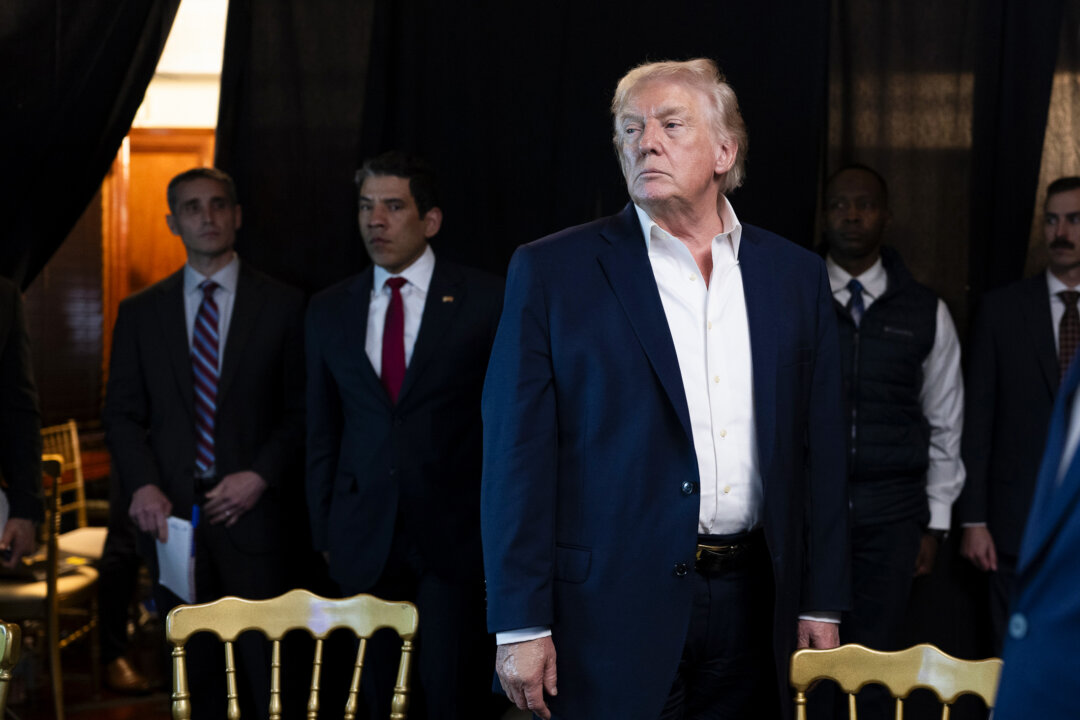
 Epoch Times
Trump Issues Warning to Mexico, Other Latin American Countries Following Venezuela Strike
Epoch TimesTrump Issues Warning to Mexico, Other Latin American Countries Following Venezuela Strike
Overview
President Trump and Senator Marco Rubio announced and executed a mission that captured Venezuelan President Nicolás Maduro, alleging he ran cocaine-production networks and directed illicit shipments.
U.S. forces operated in Venezuela without a broad ground invasion, prioritizing operational security, transporting Maduro to New York to face federal drug-trafficking charges.
U.S. officials allege the entity's entire income derives from Venezuelan oil, linking state resources to alleged cocaine factory funding and international illicit shipments.
President Trump warned Colombian President Gustavo Petro and other Latin American governments, threatening consequences and hinting at further actions beyond Venezuela after Maduro's capture.
Some congressional leaders were not briefed before the announcement; critics express concern over secrecy, regional stability, and potential escalation with Mexico and Cuba.
Analysis
Center-leaning sources frame this story by highlighting the stark contrast between Trump's previous non-interventionist stance and his current aggressive foreign policy. They emphasize the potential risks and legal concerns of his actions, using terms like "dramatic shift" and "potential political risk." The narrative is structured to question the legitimacy and long-term consequences of Trump's decisions, with a focus on the implications for U.S. foreign relations and domestic approval.